
Book Appointment Now

What Makes a Great Cook? Top Traits to Develop

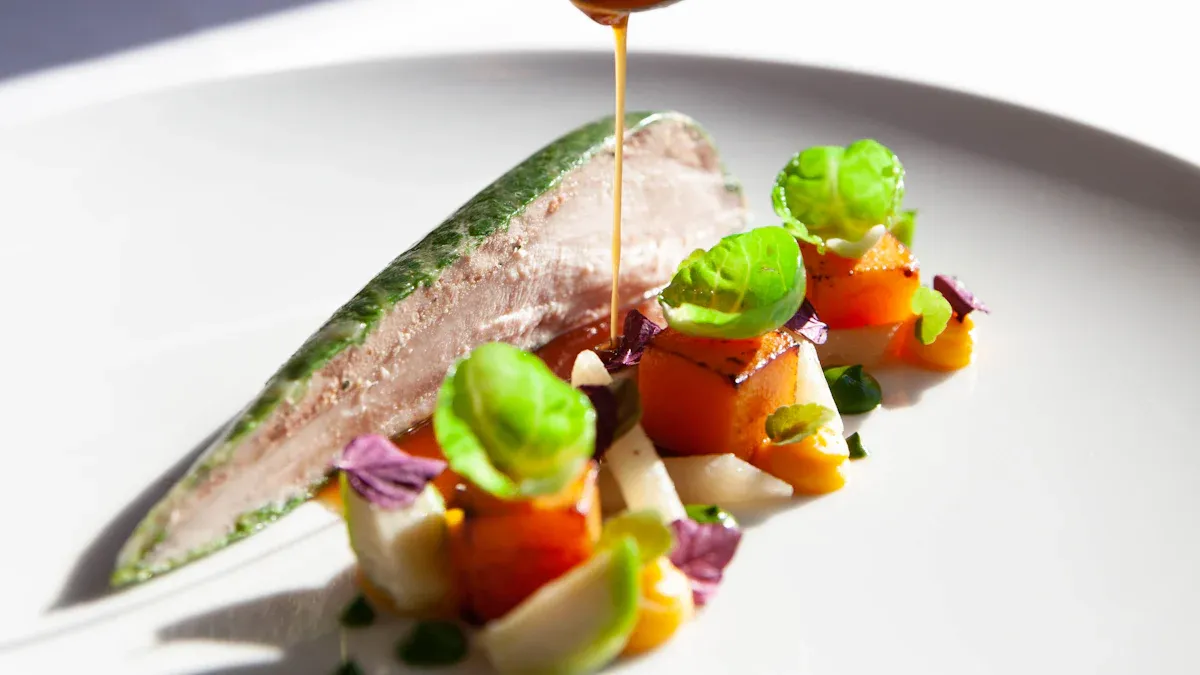
Cooking is more than just a necessity; it’s a delightful journey filled with flavors, aromas, and creativity. Have you ever wondered what sets great cooks apart from the rest? It’s not just about following recipes. Certain traits can elevate your cooking skills and make you a great cook. Here are some key traits that can help you shine in the kitchen:
Passion for food
Detail orientation
Essential qualities like stamina and teamwork
Creativity and innovation
A strong work ethic
Embrace these traits, and you’ll find yourself on the path to culinary excellence!
Key Takeaways
Passion for food is essential. Love your ingredients to enhance flavor and creativity in your cooking.
Attention to detail matters. Accurate measurements and observing techniques can significantly improve your cooking results.
Teamwork is vital in the kitchen. Collaborate with others to boost efficiency and create a positive work environment.
Creativity transforms dishes. Experiment with flavors and presentation to make your cooking unique and memorable.
A strong work ethic drives success. Commit to continuous improvement and manage your time effectively to thrive in the culinary world.
Passion for Food
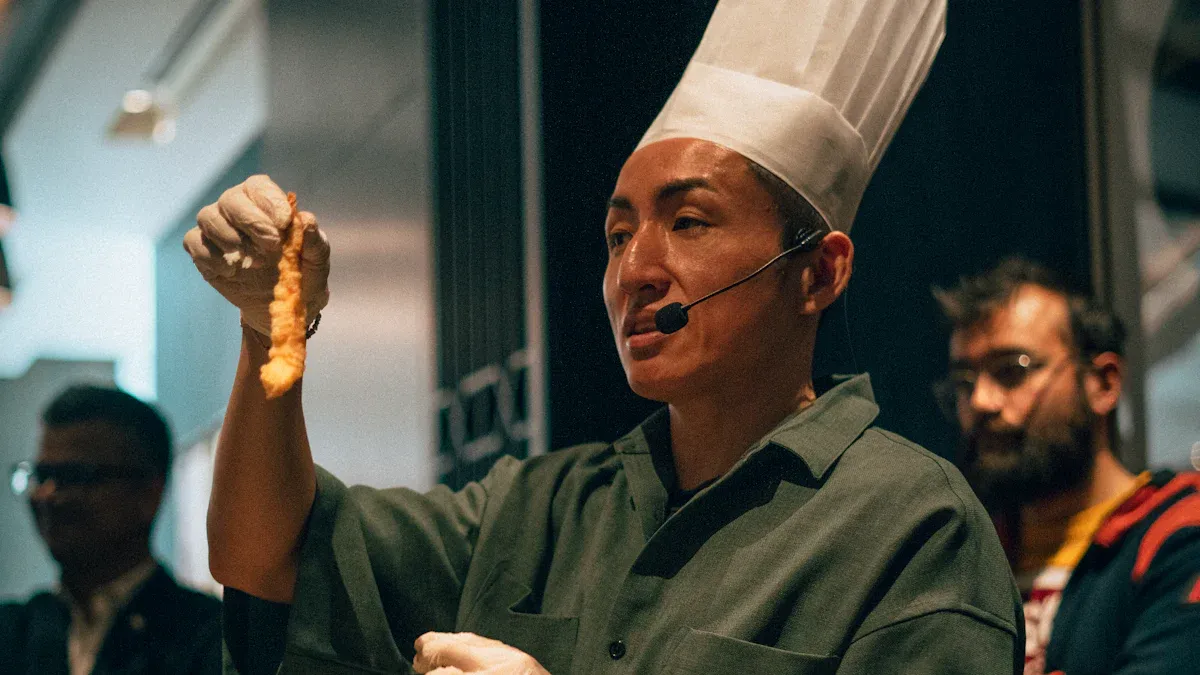
Love for Ingredients
When you have a passion for food, it often starts with a genuine love for the ingredients you use. Think about it: every dish you create begins with the raw materials you choose. Renowned chefs like Julia Child and Anthony Bourdain have emphasized the importance of quality ingredients. They believed that using fresh, authentic components not only enhances flavor but also connects you to the cultural heritage of the dish.
Here are some key points to consider about your relationship with ingredients:
Quality Matters: Always opt for fresh, seasonal ingredients. They not only taste better but also inspire creativity in your cooking.
Explore New Flavors: Don’t be afraid to experiment with unfamiliar ingredients. This can lead to exciting discoveries and unique dishes.
Respect the Process: Understand where your ingredients come from. This respect can deepen your appreciation for food and elevate your cooking experience.
John Percarpio, a chef who found his passion early on, illustrates how a love for food can shape your culinary journey. His early experiences in the kitchen, inspired by family traditions, fueled his desire to explore and innovate. This passion is crucial for sustaining a long-term career in the culinary arts.
Joy in Cooking Process
The joy you find in the cooking process can significantly impact the quality of your dishes. Studies show that when you enjoy cooking, it leads to increased positive feelings and psychological well-being. This happiness can translate into the meals you prepare.
Consider these insights:
Positive Attitude: Maintaining enthusiasm during repetitive tasks can help you find satisfaction in your work. A genuine love for food keeps your motivation high.
Mindfulness in Cooking: Focus on the moment. Enjoy the aromas, textures, and colors of your ingredients. This mindfulness can enhance your overall cooking experience.
Growth Mindset: Be open to feedback and learn from your mistakes. This attitude fosters continuous improvement and keeps your passion alive.
Cooking is not just about the end result; it’s about the journey. When you embrace the process, you unlock your creativity and develop unique recipes that reflect your personality. Culinary creativity is an artistic expression of food, showcasing your innovative approach and passion for food.
Detail Orientation
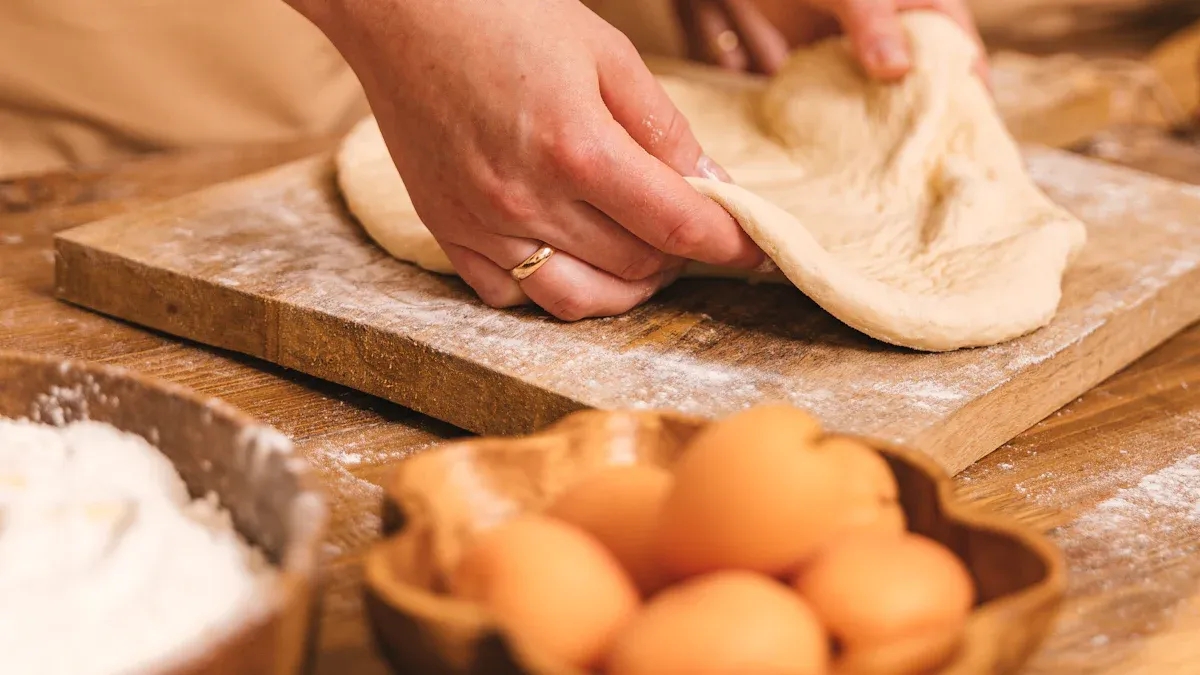
Measurement Precision
Precision in cooking is crucial. It can make or break your dish. When you measure ingredients accurately, you ensure that your recipes turn out as intended. For example, baking is a science. Even a slight deviation in measurements can lead to disappointing results.
Here’s a quick look at how measurement precision impacts your cooking:
Impact of Measurement Precision | Description |
|---|---|
Texture and Rise | Precise measurements are essential to achieve the desired texture and rise in baked goods. |
Small Changes | Even a minor adjustment, such as adding ¼ cup too much flour, can drastically change the final product. |
No Adjustments Allowed | Once the batter is heated, there are no opportunities to correct measurement errors, unlike in cooking. |
Many professional cooks follow specific techniques to ensure accuracy. Here are some of their best practices:
Use the right tools: Accurate measuring cups and spoons, along with a quality scale, are essential.
Spoon dry ingredients: This prevents compression, which can lead to inaccuracies.
Pour wet ingredients: Use calibrated liquid measuring cups and check the meniscus level for accuracy.
Manage sticky ingredients: Dipping measuring tools in hot water or coating them with cooking spray helps measure sticky ingredients correctly.
Observing Techniques
Attention to detail also plays a significant role in mastering cooking techniques. You can enhance your ability to focus on the cooking process by observing and practicing regularly. Here are some effective techniques to consider:
Practice Regularly: The more you cook, the more confident you become.
Experiment with Different Recipes: Trying new recipes expands your culinary horizons.
Master Essential Cooking Techniques: Understanding basics like chopping and sautéing is crucial.
Invest in Quality Ingredients and Tools: Good ingredients and tools enhance cooking results.
Remember, a well-presented dish not only looks appealing but also affects taste perception. A clean, vibrant appearance builds trust in the food’s quality. As they say, you only get one chance to make a great first impression!
Essential Qualities of a Cook
Stamina and Strength
Being a great cook requires more than just culinary skills; it demands physical stamina and strength. In a professional kitchen, you often face long hours on your feet, moving constantly from one task to another. Here are some common physical demands you might encounter:
Long hours of standing
Constant movement
Risk of injuries such as back pain and foot sprains
Imagine working a 10-12 hour shift, where fatigue can set in quickly. You’ll find yourself lifting heavy items, like 50-pound bags of flour or 80-pound cases of meat. This daily routine can lead to physical exhaustion if you don’t build your stamina. Repetitive motions, like chopping and stirring, can also result in injuries, such as carpal tunnel syndrome.
To thrive in the kitchen, focus on building your physical endurance. Regular exercise, proper nutrition, and stretching can help you stay strong and energized throughout your shifts. Remember, a cook’s stamina directly impacts their performance and the quality of the dishes they create.
Teamwork in the Kitchen
Teamwork is another essential quality of a cook. A successful kitchen operates like a well-oiled machine, where every member plays a vital role. When you prioritize collaboration, you not only improve efficiency but also create a positive work environment. Here’s how teamwork can enhance your cooking experience:
Investing in kitchen staff through training and clear communication boosts efficiency and quality.
Fostering a supportive culture creates a positive work environment where team members feel valued.
Kitchens function best when teamwork is a priority. A chef who values collaboration supports their colleagues, shares responsibilities, and steps in when needed. This not only improves efficiency but also builds trust within the team. Clear communication helps kitchens run smoothly. A chef with openness and confidence ensures instructions are understood and encourages staff to share feedback.
Effective teamwork leads to increased staff morale and lower turnover rates, which positively impacts restaurant performance. When everyone works towards common goals, both staff and customer experiences improve. So, embrace teamwork in your kitchen, and watch how it transforms your cooking journey!
Creativity and Innovation
Experimenting with Flavors
Creativity plays a vital role in your cooking journey. It allows you to explore new flavor combinations and techniques, transforming ordinary dishes into extraordinary experiences. Successful chefs often emphasize the importance of experimenting with flavors. Here are some key points to consider:
Unique Combinations: Chefs like Alain Passard create signature dishes by blending unexpected ingredients. For instance, his tomato confit features twelve distinct flavors, while Anne-Sophie Pic pairs asparagus with Arabica coffee. These innovative combinations not only surprise the palate but also tell a story that connects you to the dish.
Culinary Exploration: You can draw inspiration from traditional recipes while adding your unique twist. This approach encourages you to innovate and develop dishes that reflect your personality and creativity.
Collaboration: Working with a supportive team can enhance your creative output. Dedicated time away from kitchen pressures allows you to brainstorm and refine your ideas.
Presentation Skills
Presentation is just as crucial as flavor in the culinary world. A well-presented dish can elevate the dining experience and impress your guests. Here’s why honing your presentation skills matters:
Effective food presentation enhances the visual appeal of your dishes. A beautifully plated meal not only attracts attention but also increases customer satisfaction.
Consider these tips for improving your presentation skills:
Focus on Color and Texture: Use vibrant ingredients to create contrast on the plate. A mix of colors and textures can make your dish more inviting.
Plating Techniques: Experiment with different plating styles. Whether you prefer minimalist designs or elaborate arrangements, find what works best for your culinary creations.
Storytelling Through Food: Each dish should tell a story. Think about the inspiration behind your meal and how you can convey that through your presentation.
By embracing creativity and mastering presentation skills, you can achieve culinary excellence and leave a lasting impression on your diners.
Strong Work Ethic
Commitment to Improvement
A strong work ethic is essential for anyone looking to thrive in the culinary world. Your commitment to improvement can set you apart from others. Successful chefs know that learning never stops. They actively seek opportunities to enhance their skills. Here are some ways you can demonstrate your commitment:
Join professional chef groups to stay updated on food trends and network with peers.
Seek new educational opportunities, like online culinary programs, to sharpen your skills.
Participate in externships to gain extensive hands-on experience and learn from established chefs.
As one chef put it, “When I was hiring new line cooks, I would say, ‘I can teach you how to cook. I can’t teach you how to show up early and be excited to be here.’” This highlights the importance of showing up prepared and eager to learn.
Managing Time Effectively
Time management is another crucial aspect of a strong work ethic. In a busy kitchen, you often face tight deadlines and high-pressure situations. Here are some effective strategies to help you manage your time:
Have a Plan: Start with a clear plan for each dish, considering equipment, time, and overlapping steps.
Mise En Place: Gather all ingredients and tools before starting to minimize surprises and ensure a smooth cooking process.
Break Down Tasks: Decompose complex meals into smaller, manageable tasks to avoid feeling overwhelmed.
By managing your time effectively, you keep service flowing and guests satisfied. This approach reduces stress and burnout for you and your team. Remember, a successful kitchen relies on everyone’s ability to adapt under pressure. So, embrace these strategies, and you’ll find yourself becoming more successful in the kitchen!
Becoming a great cook takes time and effort. Developing traits like discipline, creativity, and attention to detail can lead to long-term success in the culinary world. These qualities are not just innate; you can cultivate them over time. Remember, maintaining your physical and mental health is crucial for sustainability in this demanding career.
Take a moment to reflect on your cooking journey. What traits do you want to work on? Embrace the process of growth. Every step you take brings you closer to your goals, whether that’s earning a Michelin star or achieving the highest achievement for a chef. Enjoy the journey, and let your passion for cooking shine!
