
Book Appointment Now

6 Best Ceramic Honing Steels for 2026: Keep Your Knives Honest

A ceramic honing steel earns its place in any home where dull blades have started ruining prep. Real cooking leans on a sharp edge, and a quick few passes on a rod between sessions keeps tomatoes from squashing and onions from slipping. The picks below span budget-friendly steels, diamond-coated sharpeners that bite harder, and a guided ceramic rod that takes the angle guesswork off your hands. Each one fits a slightly different kitchen, and the lineup covers home cooks, busy households, and anyone who treats their chef’s knife like a working tool.
The Lineup, Simplified
PickWhy We Picked ItBest ForAction

Editor’s Choice
Mercer Culinary Ceramic Honing Steel 10 Inch
Trusted ceramic build, 10-inch reach
Home cooks with full knife sets

Value Pick
FANERFUN 13 Inch High Carbon Honing Steel
Long reach at a friendly cost
Tall blades, everyday home use

Feature Rich
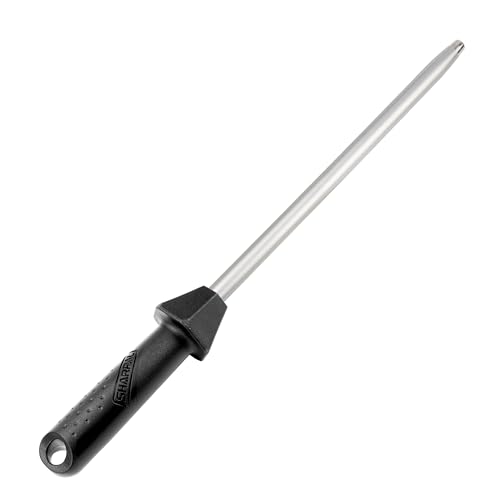
SHARPAL 111H Ceramic Honing Rod 14-25° Guide
Adjustable angle guide built in
Beginners learning knife geometry

Daily Driver
FANERFUN 13 Inch Carbon Steel Honing Rod
Textured rod, steady feedback
Frequent cooks, family kitchens
Performance Leader
SHARPAL 119N Diamond Sharpening Steel
1200 grit diamond, heavy use
Pros and serious home chefs

Heavy Duty Pick
FANERFUN 13 Inch Diamond Sharpening Rod 600 Grit
600 grit diamond, real bite
Restoring lightly dull edges
A Deeper Look At The Lineup
The Mercer Culinary 10-inch ceramic rod has earned a quiet following in culinary classrooms and home kitchens alike, mostly because it feels like a tool rather than a gadget. The ceramic surface is rated at 1200 grit, which lands firmly in the fine-honing zone: it realigns a slightly rolled edge without chewing through metal the way coarser diamond rods can. A 10-inch length covers most chef’s knives and utility blades comfortably, though extra-tall blades may feel a touch short.
The nylon handle is the part you actually touch, and it matters. The ergonomic shape and integrated guard help prevent a wandering hand from sliding into the rod during a vigorous pass, which is the kind of accident that ruins a quiet Tuesday night. For most home cooks, this is the pick that disappears into the routine and stays there.
Everyday Perks
- 1200 grit ceramic surface treats edges gently and works well for weekly touch-ups.
- Integrated hand guard adds a layer of safety on fast passes.
- Non-slip nylon handle stays planted even with damp hands from rinsing produce.
- Brand has a long track record in teaching kitchens, so replacement parts and service tend to be easy to find.
Things To Consider
- Ceramic surfaces can be brittle, so dropping the rod onto a hard floor carries a real risk of chipping.
- 10 inches may feel short for taller slicers and some santoku lengths.
Whose Block It Belongs On
Home cooks working with standard 8-inch chef’s knives who want a no-fuss ceramic rod from a known kitchen brand.
Look Elsewhere When
The FANERFUN 13 Inch High Carbon Honing Steel suits people with longer blades who want extra reach at a lower cost.
Where Mercer’s pick prioritizes a fine ceramic surface, this FANERFUN rod leans into reach and tactile feedback. The 13-inch length gives you extra room on taller blades, and the high carbon steel rod runs 0.51 inches in diameter with fine longitudinal grooves along its length. Those grooves do some of the realignment work for you, lightly catching the edge and steering it back to center as you draw the blade down.
For a household pulling out an 8-inch chef’s knife and a tall slicer, that extra length translates to fewer awkward adjustments. The trade-off shows up in feel: a grooved steel rod produces a slightly more aggressive contact than the smooth ceramic on pick number one, so it is better suited to routine maintenance on already-sharp knives than to fixing truly neglected edges.
Everyday Wins
- 13-inch reach handles taller slicers and longer chef’s knives without forcing awkward angles.
- Grooved surface gives audible and tactile feedback during passes, helpful for newer users.
- High carbon steel construction tends to hold up to years of regular home use.
Honest Caveats
- Grooved rods remove a small amount of metal over time, so very thin, premium blades may not be the best match.
- Carbon steel can develop surface patina with heavy use, which is cosmetic but worth knowing.
Key Specs
Right Fit For
Home cooks with a mix of blade sizes who want extra reach and forgiving feedback during weekly maintenance.
Swap It Out When
The SHARPAL 111H Ceramic Honing Rod suits people who want a gentler ceramic surface plus an angle guide for consistent results.
The SHARPAL 111H addresses the part of honing that intimidates new users: the angle. Most kitchen knives live somewhere between 14 and 25 degrees per side, and a sloppy angle can undo a careful pass. The built-in guide adjusts across that range, so you can dial in a Western chef’s knife near 20 degrees or a thinner Japanese-style blade closer to 15.
The rotating ceramic rod is a thoughtful touch. It lets you flip the abrasive surface to a fresh section as one side wears, which extends the working life of the tool. A ceramic surface here means gentle realignment rather than aggressive material removal, so the 111H slots in as a maintenance rod rather than a fix for a badly rolled edge.
Why It Works Well
- Adjustable angle guide from 14 to 25 degrees supports a wide range of knife styles.
- Rotating ceramic rod doubles the usable abrasive area before any replacement is needed.
- Ceramic surface keeps maintenance gentle, so regular use does not slowly wear down the blade.
Worth Noting
- The angle guide adds a small learning curve, since the rod sits at a fixed relationship to the handle.
- Like other ceramic rods, it can chip if dropped onto a stone or tile floor.
At A Glance
Who Should Grab It
Cooks still building muscle memory who want a built-in guide to keep their angle honest across different knives.
Reach For A Different Pick When
The Mercer Culinary Ceramic Honing Steel 10 Inch suits people who already have a consistent angle and just want a simple, durable ceramic rod.
This second FANERFUN rod shares the 13-inch reach of its sibling but takes a different approach to the surface. The textured carbon steel face is designed for controlled, consistent passes, and at 13 inches the rod handles the long stroke that taller blades need without forcing your hand off the counter. It is the kind of tool that fits the rhythm of a busy kitchen where knives come out three or four times a day.
Where a fine ceramic rod realigns without removing much metal, this textured steel surface does a little more work. That makes it a stronger choice for knives that have started to drag on tomatoes or roll slightly between sharpening sessions. For a household with several cooks and a drawer full of well-used blades, that balance lands well in real prep.
Real Benefits
- Textured surface provides noticeable feedback, so it is easier to feel when the edge is realigned.
- 13-inch length is generous enough for the largest knives in a typical home block.
- Carbon steel construction handles frequent passes without wearing down quickly.
Trade Offs
- More aggressive than smooth ceramic, so very thin, hard-steel blades may prefer a gentler surface.
- Carbon steel can show surface marks over years of regular use, which some cooks may want to wipe down after each session.
Feature Snapshot
Made For
Frequent home cooks and family kitchens where several knives get a pass every week and the rod needs to keep up.
Consider Something Else When
The SHARPAL 119N Diamond Sharpening Steel suits pros or sharpening-focused cooks who want a diamond-coated rod for true edge repair.
The SHARPAL 119N is a different animal from the ceramic rods earlier in the lineup. A 1200 grit diamond coating is bonded to the steel rod, and diamond is the hardest material commonly used in kitchen sharpeners. That means this is not a passive realignment tool; it actively removes metal to refresh an edge, sitting somewhere between a honing steel and a full sharpening stone.
For a pro or a home cook who treats their chef’s knife as a serious tool, that capability matters. A few light passes can pull a tired edge back into shape between more involved sharpening sessions. The trade-off is the same one every diamond surface carries: light pressure is the rule, and heavy-handed use can thin a blade faster than you might expect.
Benefits That Matter
- 1200 grit diamond surface can both hone and lightly sharpen in a single tool.
- Works across a wide range of kitchen knife materials because diamond cuts through nearly anything.
- More economical long-term than frequent professional sharpening for active cooks.
Where It May Fall Short
- Removes measurable metal, so it is not a daily driver for very thin, hard Japanese blades.
- Diamond surface tends to be louder and more aggressive on the ear than smooth ceramic, which takes a session to get used to.
Technical Reference
Best Suited To
Pros and serious home chefs who want one tool that bridges routine honing and the occasional deeper refresh.
Skip It When
The FANERFUN 13 Inch Diamond Sharpening Rod 600 Grit suits cooks who want a coarser diamond pass and a more aggressive reset on duller blades.
The final rod in the lineup pulls in the opposite direction from the SHARPAL 111H’s gentle ceramic. At 600 grit, this diamond-coated surface is the most aggressive option here, designed for bringing lightly dull straight-edge kitchen knives back to a working edge rather than maintaining one that is already sharp. It sits firmly in the “actual sharpening” category, not the passive-honing category.
That makes it a useful complement to a finer rod rather than a replacement for one. A cook who runs through tomatoes, root vegetables, and the occasional roast on a busy weekend can use the 600 grit rod to reset an edge, then follow up with a smoother steel for weekly passes. You will likely find the 13-inch length generous, and the diamond surface handles light pressure well, so the learning curve is mostly about restraint.
Practical Advantages
- 600 grit diamond actively sharpens, so it can rescue an edge that honing alone cannot fix.
- 13-inch length handles large chef’s knives and slicers in a single pass.
- Coarser finish means faster material removal, useful when an edge is past the realignment stage.
Potential Compromises
- Removes more metal than fine ceramic or higher-grit diamond rods, so it is not the right tool for thin, hard blades.
- Leaves a toothier edge than a fine ceramic, so most cooks will want to follow with a smoother steel or a few passes on a finishing stone.
Who Will Love This
Home cooks dealing with knives that have rolled or dulled past the help of a basic honing rod and want to bring them back without a full stone setup.
A Better Fit Elsewhere
The SHARPAL 119N Diamond Sharpening Steel is the right call for cooks who want a finer 1200 grit diamond that can do both realignment and lighter sharpening in one tool.
What To Weigh Before Choosing a Ceramic Honing Steel
Grit Level And What It Does For You
Grit is the headline number on any rod, and it controls how much metal each pass actually removes. A fine 1200 grit ceramic, like the one on the Mercer and the SHARPAL 111H, mostly realigns an edge that has rolled slightly out of true. A 600 grit diamond surface, like the FANERFUN at the bottom of the list, does real work and pulls a tired edge back to life. Match grit to the knives in your drawer: thin, hard Japanese blades want the gentler end, while thicker German-style chef’s knives tolerate more bite.
Length And Reach
A 10-inch rod covers most home chef’s knives comfortably, and a 13-inch rod adds room for taller slicers and longer strokes. People with a single chef’s knife and a paring knife rarely need more than 10 inches, but anyone working with a long slicing knife will feel the extra reach the moment they try a shorter rod.
Handle Feel And Safety
The handle is the part you actually hold, and it tends to matter more than specs suggest. A non-slip grip keeps things steady when hands are wet, and an integrated hand guard prevents the kind of slip that sends a thumb into the rod. Both are small details that show up only after months of regular use.
Surface Material And Long-Term Care
Ceramic surfaces are gentler but can chip on hard drops, so storage matters. Diamond coatings hold up to heavier use but slowly wear down and will need replacement eventually. Carbon steel rods develop character with age and may want a wipe-down after sessions to keep surface marks in check.
Things To Watch When Shopping
Wrong Turns To Avoid
The most common slip is grabbing a rod based on length alone, without checking the abrasive. A long rod with a coarse surface can still be wrong for a thin, premium blade, because the grit removes more metal than the edge can comfortably spare. The opposite mistake is treating a real sharpening rod like a passive honing tool and expecting it to behave like a fine ceramic. Match the surface to the job, and the rod will fit your routine.
When Paying More Pays Off
Higher-tier rods earn their cost in three places: tighter tolerances on the angle guide, more durable abrasive coatings, and handles that hold up to daily contact. A guided ceramic rod like the SHARPAL 111H is the kind of upgrade that pays off for someone still learning knife geometry, because it removes the one variable that ruins most home honing sessions. For everyone else, a solid mid-range pick usually covers the need without the premium.
Frequently Asked Questions
What Is A Ceramic Honing Steel Used For?
A ceramic honing steel realigns a knife edge that has rolled slightly between sharpening sessions. It is a maintenance tool, not a replacement for periodic sharpening on a stone or other abrasive.
How Often Should I Hone My Kitchen Knives?
Most home cooks benefit from a few light passes once or twice a week, depending on how often the knives come out. Heavy daily use may push that toward every other session, while a seldom-used block can stretch to every couple of weeks.
Is Ceramic Better Than Steel For Honing?
Ceramic is gentler and removes less metal per pass, which suits thinner or harder blades. Steel rods, especially grooved or diamond-coated ones, do more aggressive realignment and light sharpening, which suits thicker Western-style knives.
Can A Honing Steel Damage A Knife Edge?
A heavy-handed pass on a coarse surface can thin a blade faster than expected, especially on very hard, thin steel. Light pressure and the right grit for the knife keep routine honing safe and effective.
Do I Still Need To Sharpen My Knives If I Hone Them?
Yes, honing and sharpening do different jobs. Honing realigns a still-sharp edge, while sharpening removes metal to create a new one. Most knives need periodic sharpening on a stone or similar tool even with regular honing in between.
Wrap Up
The right ceramic honing steel depends on what your knives actually need. A fine ceramic rod from Mercer or SHARPAL keeps already-sharp edges honest, while a diamond-coated rod from SHARPAL or FANERFUN can do real work when an edge has gone past simple realignment. Match the surface to the steel in your drawer, and a quick weekly pass will keep prep moving the way it should.
