
Book Appointment Now

How to Make the Perfect Homemade Pizza

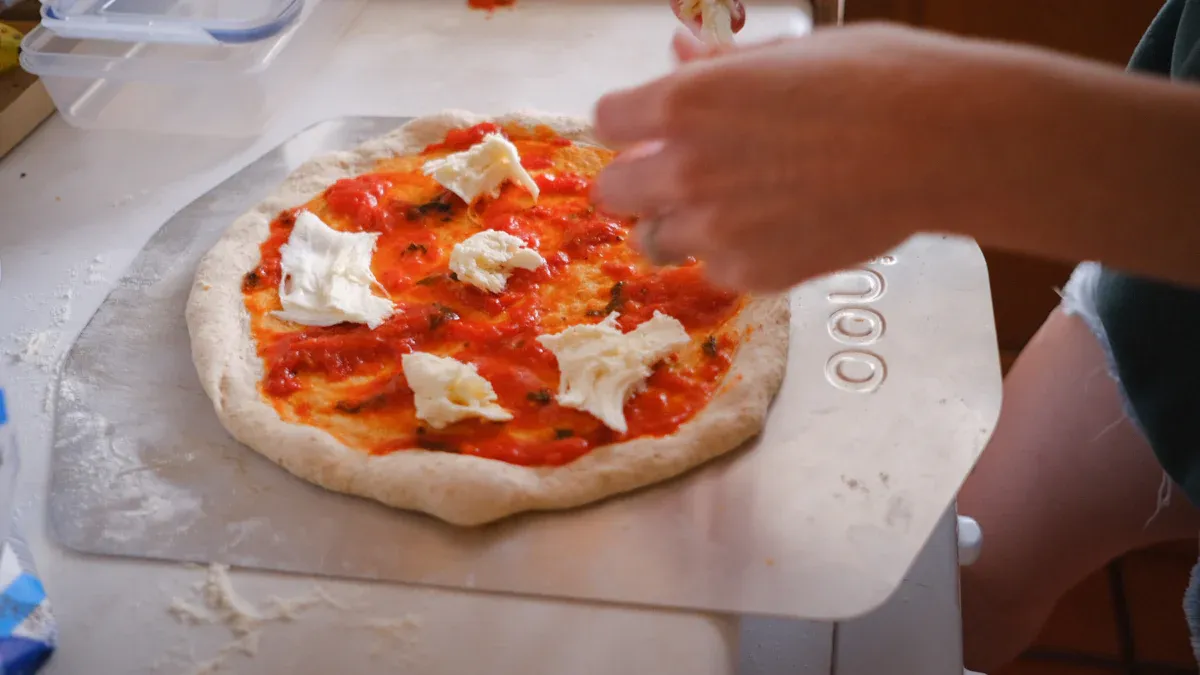
Making the perfect homemade pizza at home is a delightful experience! Imagine the joy of crafting the perfect crust and choosing your favorite toppings. Did you know that about 70% of people enjoy making homemade pizza? Many opt for it once a month or less, experimenting with bases like tortillas or naan. Embrace the process, have fun, and let your creativity shine as you create your own perfect homemade pizza masterpiece!
Key Takeaways
Use high-quality ingredients like Flour 00 for the best pizza dough. This flour helps create a chewy and flavorful crust.
Allow your dough to rise for about 1 hour at room temperature. For enhanced flavor, consider cold fermenting it in the fridge for 24 to 72 hours.
Balance your toppings by mixing sweet and savory elements. This creates a delicious flavor experience that everyone will enjoy.
Bake your pizza at high temperatures, ideally between 475°F to 500°F. This ensures a crispy crust and perfectly melted cheese.
Avoid common mistakes like using too much yeast or overloading with toppings. These can lead to uneven cooking and a less enjoyable pizza.
Perfect Pizza Dough
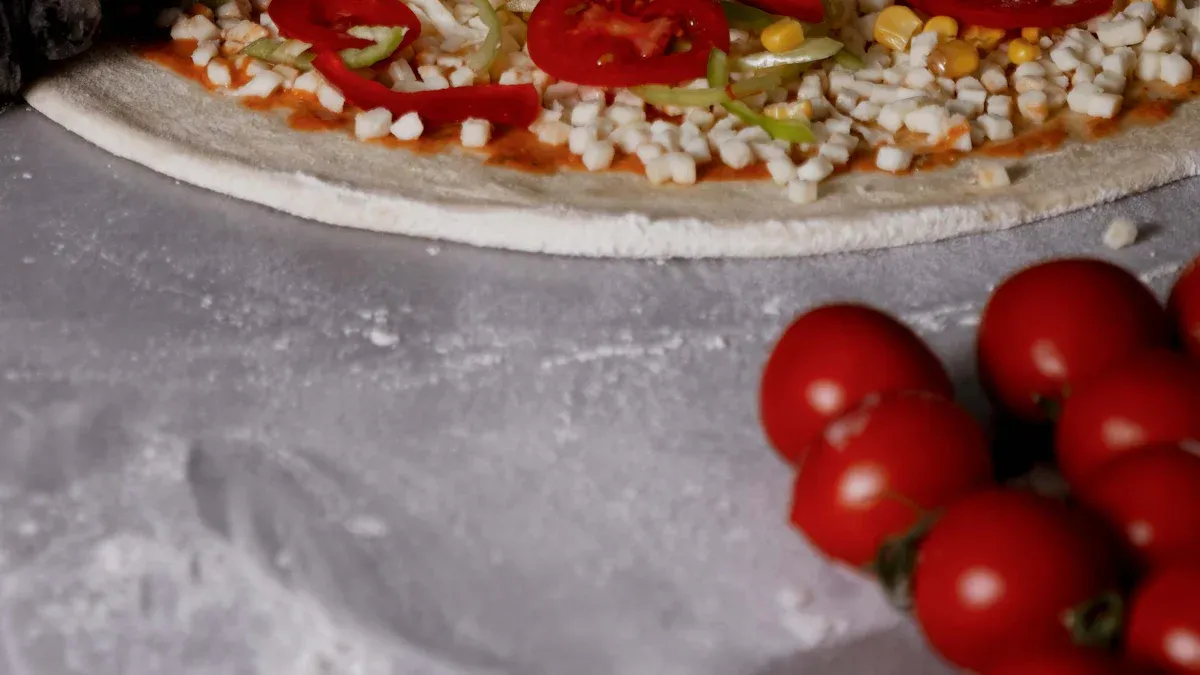
Creating the perfect pizza dough is the foundation of your homemade pizza experience. A flavorful and forgiving dough can make all the difference. You want a dough that rises beautifully, has a nice chew, and holds up under the weight of your favorite toppings. Let’s dive into the essential components and steps to achieve that perfect pizza dough.
Key Ingredients
To start, you need to gather the right ingredients. Here’s a simple table of the essentials for an authentic pizza dough recipe:
Ingredient | Quantity |
|---|---|
Flour 00 | 1 kg |
Water | 600 ml |
Dried Yeast | 3 gr |
Salt | 15 gr |
Using high-quality flour is crucial. Flour 00 is preferred by many pizzaiolos because it has a fine texture and high protein content, which contributes to a great rise and chewiness.
Dough Preparation Steps
Now that you have your ingredients, let’s go through the steps to prepare your dough. Follow this easy pizza dough recipe:
Mix the Ingredients: Combine the flour, salt, and yeast in a bowl. Gradually add the water and mix until a dough forms.
Knead the Dough: Transfer the dough to a floured surface and knead it for about 10 minutes until it becomes smooth and elastic.
First Rise: Place the dough in a greased bowl, cover it with plastic wrap, and let it rise at room temperature until it doubles in size, about 1 hour.
Cold Ferment (Optional): For enhanced flavor and texture, consider cold fermenting your dough. Place it in the fridge for 24 to 72 hours. This slow fermentation allows the dough to develop complex flavors and a better texture.
Shape the Dough: After the rise, punch down the dough to release air bubbles. Divide it into portions and shape them into balls. Let them rest for another 30 minutes before stretching.
Pro Tips for Success
Hydration Matters: Aim for a hydration level of 60-70%. This range allows for a good balance of texture and manageability. Higher hydration doughs yield a more open crumb and chewy crust, but they can be trickier to handle.
Cold Fermentation Benefits: Cold fermenting your dough not only improves flavor but also enhances texture. The longer fermentation time breaks down starches into sugars, resulting in a tastier crust. Here’s a quick overview of the benefits:
Benefit | Description |
|---|---|
Flavor Development | Extended fermentation enhances flavor by breaking down starches into sugars. |
Improved Texture | Slow gluten development leads to better extensibility and chew. |
Digestibility | Longer fermentation partially breaks down gluten, making it easier to digest. |
Avoid Overworking: Knead just enough to develop gluten. Overworking can lead to a tough dough.
Remember, practice makes perfect! Each time you make your dough, you’ll learn a little more about what works best for you.
Selecting Toppings for Homemade Pizza

Choosing the right toppings can elevate your homemade pizza from good to unforgettable. You have endless possibilities, whether you stick to classic combinations or venture into unique territory. Let’s explore some popular options!
Classic Combinations
Classic toppings never go out of style. They bring comfort and familiarity to your pizza night. Here are some favorites that many people love:
Buffalo Chicken Pizza: Spicy buffalo sauce, grilled chicken, and a drizzle of ranch.
3 Cheeser Pepperoni Pleaser Pizza: A trio of cheeses paired with pepperoni for a cheesy delight.
Chicken Bacon Ranch Pizza: Tender chicken, crispy bacon, and creamy ranch dressing create a savory experience.
These combinations are crowd-pleasers and perfect for any gathering!
Unique Ideas
If you’re feeling adventurous, why not try some innovative toppings? Gourmet pizzerias have introduced exciting options that can surprise your taste buds. Check out this table for some unique ideas:
Topping Idea | Description |
|---|---|
Suya-spiced beef | A West African inspired topping that adds bold, spicy flavors. |
Tandoori chicken with chutney | Infuses Indian flavors with a fresh cilantro-mint chutney. |
Gochujang and kimchi | Korean ingredients that provide a spicy and fermented kick. |
Caramelized onions | Adds sweetness and umami depth, elevating the flavor profile. |
These toppings can transform your pizza into a culinary adventure!
Balancing Flavors
When selecting toppings, think about how they work together. A great pizza balances flavors, textures, and colors. Here are some tips to keep in mind:
Sweet and Savory: Combining sweet and savory elements creates an addictive flavor experience. For example, try layering sweet jam with salty prosciutto.
Layering Flavors: Use toppings that complement each other. Hot honey adds sweetness and peppery heat, enhancing the overall flavor.
Texture Matters: Mix crunchy toppings like bell peppers with creamy ones like ricotta for a delightful contrast.
Building a cohesive combination is all about each ingredient complementing and elevating the others to create an explosive, addictive flavor.
With these tips, you’re ready to create a delicious homemade pizza that reflects your personal taste!
Baking Techniques for Perfect Homemade Pizza
Baking your homemade pizza at the right temperature and using the right methods can make all the difference in achieving that perfect pizza crust. Let’s explore how to get the best results!
Ideal Temperatures
When it comes to baking pizza, high temperatures are your best friend. The Associazione Verace Pizza Napoletana recommends using a wood-fired oven at temperatures between 800°F to 900°F. This intense heat cooks the pizza quickly, giving you a crispy crust and perfectly melted cheese.
Baking at higher temperatures, like 475°F to 500°F, allows moisture to evaporate quickly. This results in a crisp crust that maintains its shape. If your oven temperature is too low, moisture escapes slowly, leading to a soggy and doughy texture, especially when toppings release extra water. Remember, baking pizza dough at temperatures above 400°F is crucial for achieving proper browning, which enhances flavor and texture.
Baking Methods
You have several effective methods to achieve that crispy pizza crust at home:
Using a Baking Steel: Preheat the Baking Steel at 500°F for 45-60 minutes. Roll out your dough to a thin thickness (about 1/8 inch) and prepare your toppings. Switch the oven to broil for 5 minutes before baking. Launch the pizza onto the Baking Steel and bake for 2 minutes, rotating halfway for even cooking.
Hot Sheet Pan Method: Preheat a sheet pan in the oven for at least 15 minutes to ensure it is very hot. Roll out your pizza dough on parchment paper, leaving some paper around the edges for easy handling. Transfer the pizza onto the hot sheet pan using the parchment paper. Bake quickly to maintain the heat of the pan, which helps achieve a crispy crust.
Broiling Technique: Preheat the Baking Steel and switch to broil before baking. Cook the pizza for a total of 4 minutes, rotating halfway for even browning. This method gives you a beautifully charred crust.
Timing for Best Results
Timing is everything when it comes to baking pizza. Here’s a quick reference table for optimal baking times based on pizza styles:
Pizza Style | Temperature (°F) | Baking Time (minutes) |
|---|---|---|
Thinner Crust | 500 | 8-10 |
Thicker Crust | 500 | 10-15 |
Thinner Crust | 450 | 8-12 |
Thinner Crust | 400 | 10-15 |
Thicker Crust | 450 | 14-20 |
Thicker Crust | 400 | 18-25 |
Softer Crust | 350 | 20-25 |
To ensure your cheese melts evenly and toppings cook properly, keep an eye on the color and texture. Look for a golden hue on the cheese, which should be bubbly with light browning. If the cheese is rubbery or the toppings are undercooked, your oven temperature might be too low.
With these baking techniques, you’re well on your way to mastering the art of homemade pizza. Get ready to impress your friends and family with your delicious creations!
Practical Tips for Homemade Pizza
Baking on a Stone
Using a pizza stone can elevate your homemade pizza game. Here’s why you should consider it:
Even Baking: The heat conductivity of the stone allows for a more even bake, eliminating hot spots in your oven.
Crispy Crust: A pizza stone mimics a wood-fired oven, absorbing and maintaining heat for a lighter, airy crust.
Versatile Use: You can use the stone for other foods too, like bread or pastries.
To get the best results, preheat your pizza stone for at least one hour at 500°F. This ensures a well-browned, crisp bottom crust. Place the stone in a cold oven and set the temperature. A hot stone enhances browning and dough expansion, leading to a better crust.
Freezing Dough
Freezing pizza dough is a great way to save time. Here are some best practices to maintain quality:
Best Practice | Description |
|---|---|
Avoid temperature fluctuations | Keep the dough away from the freezer door to maintain stability. |
Double wrapping | Wrap the dough tightly in plastic wrap and place it in a heavy-duty freezer bag to prevent freezer burn. |
Controlled thawing | Thaw the dough in the refrigerator 8 to 12 hours before use to retain texture. |
Homemade pizza dough can last up to three months in the freezer without losing quality. Just remember to label each package with the freezing date!
Common Mistakes to Avoid
Making pizza at home can be tricky. Here are some common mistakes to watch out for:
Using Too Much Yeast: This can lead to overly rapid fermentation. Limit the yeast for longer fermentation.
Not Using High-Quality Flour: Opt for Type 0 flour or all-purpose flour for better results.
Overloading with Toppings: This can cause uneven cooking. Add delicate ingredients like mozzarella towards the end of cooking.
Baking at Low Temperatures: Preheat your oven to the maximum for optimal results.
By avoiding these pitfalls, you’ll create a delicious homemade pizza every time!
Making homemade pizza is a fun and rewarding experience! Here are the key steps to remember:
Prepare the dough with high-quality ingredients and let it ferment.
Shape the dough by hand to keep it light and airy.
Add a balanced mix of your favorite toppings.
Bake at a high temperature for a crispy crust.
Transfer and serve for the best results.
Cooking at home not only boosts your mood but also strengthens relationships. So gather your ingredients and start your pizza-making journey! Remember, practice makes perfect, and each pizza you create will be uniquely yours.
