
Book Appointment Now

How to Incorporate More Vegetables into Your Diet

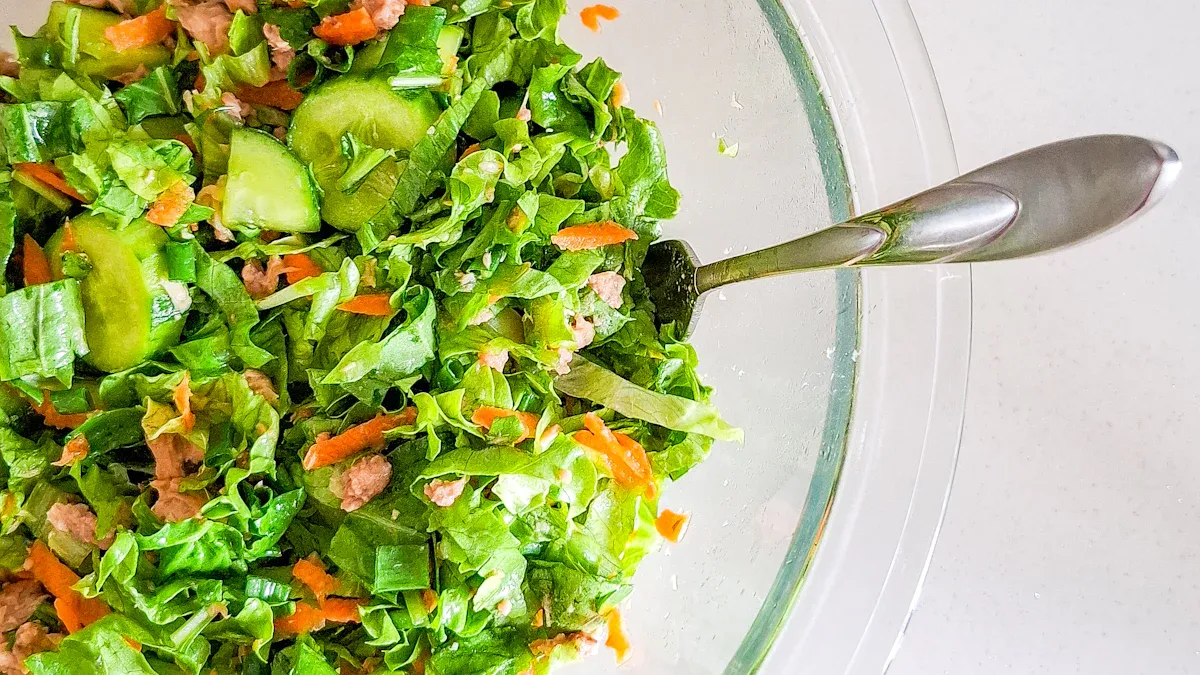
Eating more vegetables can greatly enhance your health. They’re packed with vitamins, minerals, and fiber, helping to reduce the risk of chronic diseases. However, many face barriers like cost, taste, and convenience. You can overcome these challenges with simple strategies to incorporate more vegetables into your meals.
Key Takeaways
Start small by adding a few extra vegetables to your favorite meals. This makes it easier to increase your intake without feeling overwhelmed.
Use tasty dips to make raw vegetables more appealing. Dips can significantly boost your vegetable consumption, especially for kids.
Prep vegetables in advance to save time and ensure you have healthy options ready throughout the week. This can help you stick to your healthy eating goals.
Tips to Incorporate Vegetables
Start Small
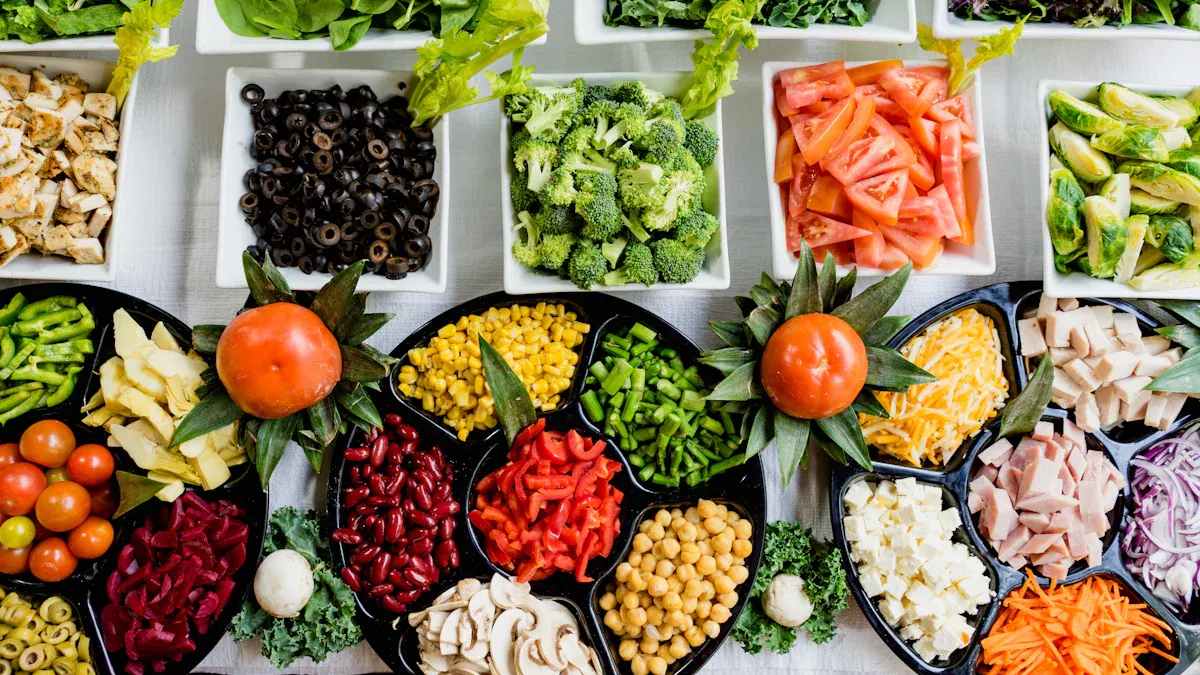
When you want to incorporate more vegetables into your diet, starting small is key. You don’t have to overhaul your meals overnight. Instead, add a few extra veggies to dishes you already enjoy. For example, toss some spinach into your pasta or blend kale into your morning smoothie. These clever veggie hacks can help you gradually increase your vegetable intake without feeling overwhelmed.
Here are some easy ways to start:
Add small amounts of vegetables to your favorite meals.
Use vegetables as substitutes for traditional foods, like zucchini noodles instead of pasta.
Experiment with different cooking methods, such as roasting or sautéing, to find what you enjoy most.
Use Dips for Raw Veggies
Raw vegetables can sometimes seem bland, but dips can make them much more appealing. Pairing veggies with tasty dips encourages you to snack on them more often. Here are some popular options:
Whipped Feta Dip: Creamy and customizable, this dip enhances the taste of fresh veggies.
The Best Smooth Hummus: A homemade version that guarantees great flavor and a smooth texture, perfect for dipping.
Miso, Pork, and Walnut Dip: This Japanese-inspired dip pairs well with raw vegetables, offering a rich flavor profile.
Research shows that dips can significantly boost vegetable consumption, especially for those sensitive to bitterness. For instance, children ate 80% more broccoli when served with dressing compared to plain broccoli. So, don’t hesitate to get creative with your dips!
Prepping for Convenience
Preparation is crucial for making vegetables a regular part of your meals. When you prep veggies in advance, you save time and increase the likelihood of eating them throughout the week. Here are some tips to maximize convenience and freshness:
Choose hardy vegetables like carrots and bell peppers for meal prep.
Store prepped vegetables in airtight containers with moisture-absorbing paper towels.
For delicate vegetables, prep them within 1-2 days to maintain freshness.
Most firm vegetables can be prepped 5-7 days in advance if stored properly. This means you can have healthy choices ready to go whenever hunger strikes. Plus, meal prepping can save you about 1-2 hours of cooking time each week, making it easier to stick to your goals.
By incorporating these tips, you can easily add more vegetables to your diet. Remember, every little bit counts!
Vegetable Meal Ideas
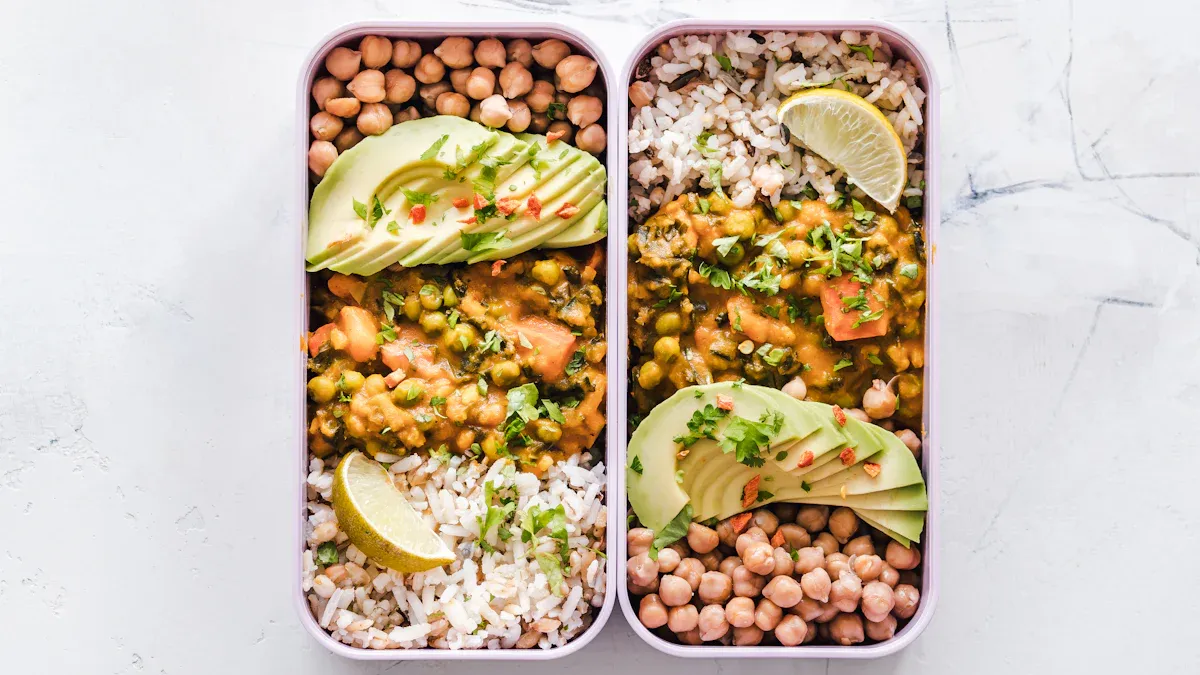
Incorporating more vegetables into your meals can be both fun and delicious! Here are some creative ideas to help you enjoy a variety of veggies throughout the day.
Breakfast Smoothies
Starting your day with a veggie-packed smoothie is a fantastic way to boost your nutrient intake. Leafy greens like spinach and kale blend well with fruits, making them a perfect addition to your morning routine. Here are some popular smoothie recipes to try:
Blueberry Ginger Smoothie: This smoothie combines blueberries for sweetness and antioxidants, making it a nourishing choice.
Autumn Sunrise Smoothie: Featuring beets and pomegranate, this drink is known for its immune and cardiovascular health benefits.
Lemon Lime Green Smoothie: A refreshing mix of citrus fruits and spinach provides a rich source of vitamins and supports gut health.
Adding leafy greens to your smoothies offers numerous nutritional benefits. Check out this table for a quick overview:
Nutritional Benefit | Description |
|---|---|
Rich in Vitamins | Leafy greens are high in vitamins A, C, and K, essential for various bodily functions. |
Low in Calories | They are low in calories, making them a great addition to a healthy diet. |
Brain Health | Daily servings may contribute to better brain health. |
Bone Strength | High in vitamin K1, which is linked to lower risk of fractures and osteoporosis. |
Immune Support | Higher in vitamin C, which supports the immune system and cellular function. |
Chronic Disease Risk Reduction | Contains antioxidants that may help prevent oxidative damage and lower chronic disease risk. |
Casserole Additions
Casseroles are a comforting way to enjoy a variety of vegetables without compromising on taste. You can easily sneak in extra veggies by using different cooking methods. Here are some tips for incorporating vegetables into your casseroles:
Roasted Vegetables: Roasting brings out the natural sweetness of vegetables, adding depth of flavor to your dish.
Sautéed Mushrooms: These add a rich umami flavor that enhances the overall taste.
Broth-Based Casseroles: For a quick, family-friendly meal, use canned beans and frozen vegetables. This approach saves time and ensures a satisfying dish.
Here’s a table summarizing different casserole approaches:
Approach | Best For | Potential Drawbacks |
|---|---|---|
Roux-Based (Creamy) | Creamy texture lovers, cold-weather meals | Can become heavy; requires constant stirring |
Tomato or Broth-Based | Bright, lighter profiles; faster cooking | May dry out if overbaked |
Bean or Lentil-Powered | High-protein, fiber-rich meals | Needs proper seasoning to avoid blandness |
Soups and Salads
Soups and salads are excellent ways to pack in a variety of vegetables. They’re versatile and can be tailored to your taste. Here are some creative recipes to consider:
Old Liz’s Old-Fashioned Cucumber & Tomato Salad
Jerusalem Salad
Tomato Gazpacho
Summer’s Best Corn Chowder
These dishes not only taste great but also help you increase your vegetable intake effortlessly. Remember, the key is to experiment with different combinations and flavors until you find what you love!
Incorporating more vegetables into your diet offers numerous health benefits. Regular vegetable intake can reduce the risk of serious conditions like ischemic heart disease and type 2 diabetes. Check out the table below for a quick overview of these benefits:
Health Outcome | Risk Reduction (%) |
|---|---|
Ischemic Stroke | 23.2 |
Ischemic Heart Disease (IHD) | 22.9 |
Type 2 Diabetes | 26.1 |
Experiment with different vegetables and preparation methods. You might discover new favorites that make healthy eating enjoyable! 🌱
FAQ
How can I make vegetables taste better?
You can enhance the flavor of vegetables by roasting, grilling, or adding spices and herbs. Dips also make raw veggies more enjoyable!
What are some easy ways to add vegetables to my meals?
Try adding vegetables to smoothies, casseroles, or soups. You can also use them as snacks with dips for a quick boost.
How do I store prepped vegetables?
Store prepped vegetables in airtight containers in the fridge. Use moisture-absorbing paper towels to keep them fresh longer.
