
Book Appointment Now

How to Improve Your Cooking Skills at Home

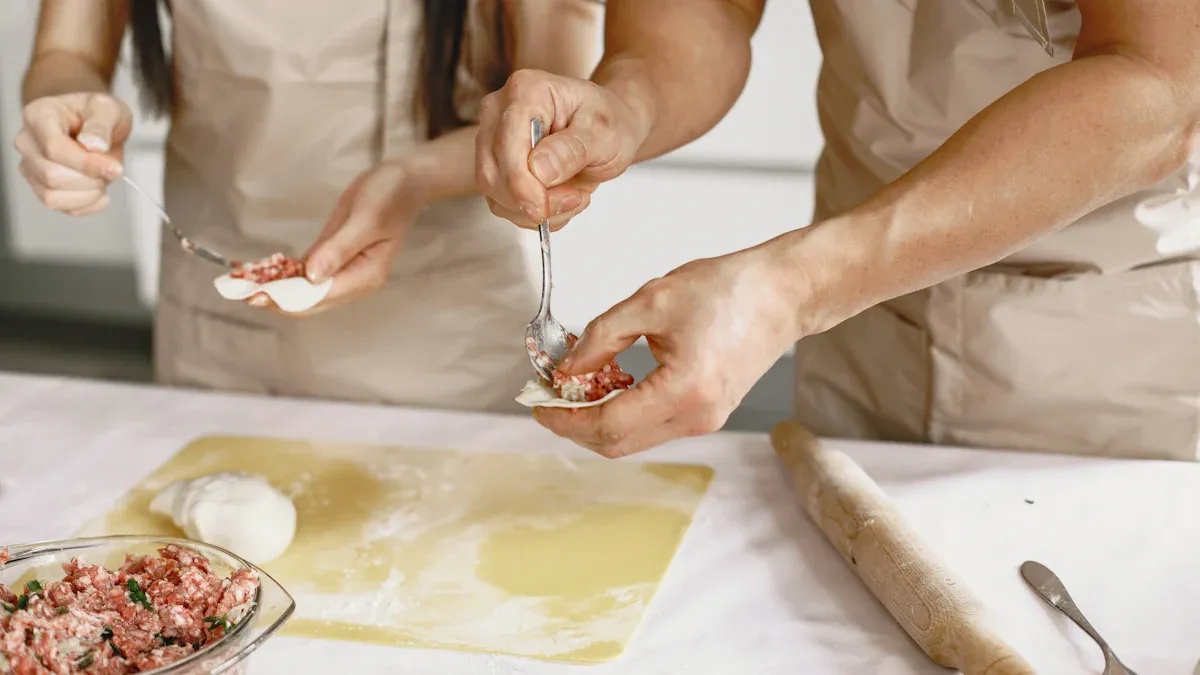
Imagine standing in your kitchen, staring at a recipe that seems more like a puzzle than a meal. You’re not alone; about 14% of Americans feel unconfident or struggle with basic cooking skills. But here’s the good news: practice can help you improve your cooking and make a world of difference. Regularly cooking at home not only boosts your confidence but also sharpens your skills. So, embrace the journey! Every dish you prepare is a step toward becoming a better cook and improving your cooking abilities.
Basic Techniques to Improve Your Cooking
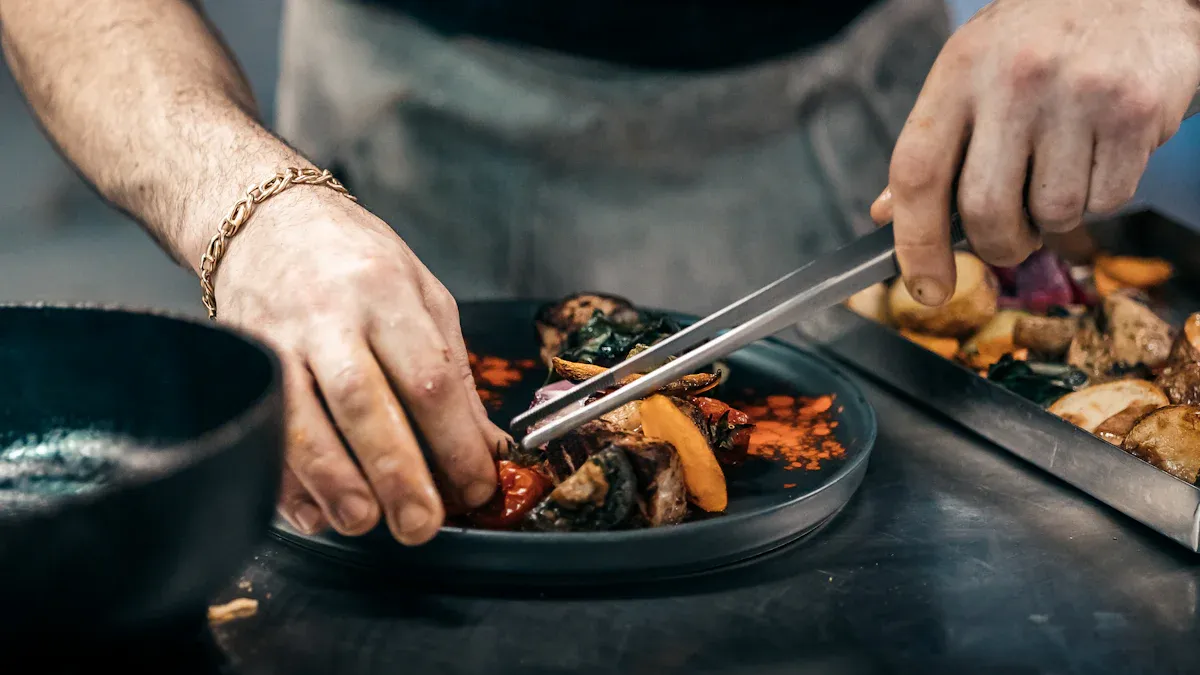
Essential Cooking Techniques
To improve your cooking, mastering some basic cooking techniques is essential. These techniques form the foundation of many recipes and can significantly enhance your culinary skills. Here’s a quick guide to some of the most important techniques you should know:
Technique | Description |
|---|---|
Sautéing | Quick method using a small amount of oil in a hot pan to cook food, resulting in a golden exterior. |
Boiling | High-heat method for cooking pasta, rice, and vegetables rapidly in boiling water. |
Simmering | Lower heat method ideal for soups and stews, allowing flavors to combine without breaking down food. |
Roasting | Cooks food with dry heat, giving a crispy exterior and tender inside, great for meats and vegetables. |
Baking | Involves indirect heat for even cooking, used for both sweet and savory dishes. |
Grilling | High-heat method on an outdoor grill, ideal for meats and vegetables, imparting a smoky flavor. |
Broiling | Cooking food under direct heat in an oven, often used for a crisp finish on meats and vegetables. |
Understanding these techniques will help you create delicious meals and improve your cooking.
Common Cooking Terms
Familiarizing yourself with common cooking terms can make a big difference in how you approach recipes. Here are some terms that often confuse novice cooks:
Al dente: Refers to pasta that is cooked to be firm to the bite.
Baste: To moisten food while cooking, typically with its own juices or a sauce.
Blanch: A technique involving briefly boiling food and then cooling it quickly to preserve color and texture.
Brine: The process of soaking food in a saltwater solution to enhance flavor and moisture.
Sweat: Cooking vegetables slowly in a small amount of fat to soften them without browning.
Knowing these terms will help you follow recipes more accurately and execute them with confidence.
Kitchen Safety Tips
Safety in the kitchen is crucial. Here are some kitchen safety tips to keep in mind while you cook:
Stay Alert While Cooking: Never leave food unattended. A pan of oil can catch fire in seconds. If you must step away, turn off the stove.
Clean As You Go: Spills on floors and counters create slippery surfaces that lead to falls. Wipe them up immediately.
Dress Smart in the Kitchen: Avoid loose clothing or dangling sleeves that can catch fire. Tie back long hair to prevent accidents.
Handle Knives Safely: Store knives properly—either in a block, locked drawer, or out of children’s reach.
Use Appliances Correctly: Follow manufacturer’s instructions for safe use. Misuse can cause shocks, burns, or even fires.
By following these safety tips, you can create a safer cooking environment and focus on improving your cooking skills.
Practice Techniques for Better Cooking

Knife Skills
Mastering knife skills is one of the most important steps you can take to improve your cooking. Good knife skills not only make your prep work faster but also enhance safety in the kitchen. When you practice cutting techniques, you’ll notice how much more efficient you become. Here are some exercises to help you get started:
Slice: Use a rocking motion from tip to heel to slice through food.
Bias Slice: Cut elongated items diagonally for larger slices.
Mince: Chop herbs and garlic finely by rocking the knife.
Dice: Cut food into uniform cubes through a three-step process.
Wedges: Halve food and cut into quarters for wedges.
Chiffonade: Roll leaves and slice into thin strips.
Practicing these techniques will help you become a better cook. Efficient knife skills allow you to prep ingredients more quickly, which enhances cooking efficiency, especially during busy meal preparations. Plus, proper knife skills reduce the risk of accidents, making your kitchen a safer place.
Evidence | Explanation |
|---|---|
Efficient knife skills allow you to prep ingredients more quickly. | This enhances cooking efficiency, especially during busy meal preparations. |
Proper knife skills reduce the risk of accidents. | This contributes to safety in the kitchen. |
Cooking Methods
Understanding various cooking methods is essential for any home cook. Each method brings out different flavors and textures in your dishes. Here are the primary cooking methods every home cook should master:
Cooking Method Type | Description |
|---|---|
Dry-Heat Cooking | Utilizes direct heat to cook food, enhancing flavor and texture, often used in various cuisines. |
Moist-Heat Cooking | Involves cooking with water or steam, resulting in moist and flavorful dishes, such as poaching. |
Combination Cooking | Merges dry and moist methods, ideal for tougher cuts of meat, transforming them into tender dishes. |
By practicing these methods, you’ll expand your culinary versatility. Different cooking styles allow you to express creativity and skill. Techniques like grilling, sautéing, and baking offer unique flavors and textures. Understanding these styles improves your ability to innovate and create delicious meals.
Flavor Building
Flavor building is where the magic happens in cooking. It’s not just about following recipes; it’s about understanding how ingredients work together. Here are some key principles to keep in mind:
Flavor molecules, or volatiles, are compounds that evaporate and reach your nose, influencing how flavors are perceived.
Ingredients that share many flavor volatiles complement each other, leading to harmonious pairings.
The concept of umami, a savory taste found in foods like aged cheeses and mushrooms, enhances flavor when combined with other umami-rich ingredients.
To improve your taste outcomes, practice flavor building techniques. For example, adding acid to rich sauces or sugar to bitter coffee can elevate your dishes. Chefs use this knowledge to create complex flavors that engage all taste buds.
Technique | Purpose |
|---|---|
Rapid infusions | Accelerate heart and aroma layers |
Controlled smoking | Precise aroma layer modulation through smoke density mapping |
Emulsions and foams | Enhance texture layer with siphon foams and emulsified sauces |
By practicing these techniques, you’ll learn to taste your food more effectively and adjust flavors as needed. This skill will make you a more confident and creative cook.
Easy Recipes for Beginning Cooks
Simple Recipes
Starting your cooking journey can be exciting, especially with easy recipes for beginning cooks. Here are some popular options that you can try:
Instant Pot Split Pea Soup with Ham
Two Ingredient Crispy Oven BBQ Chicken
Easy Chicken and Dumplings from Scratch
Naan Pizza
Quick & Easy Chickpea Soup
These recipes are approachable and require minimal ingredients, making them perfect for beginners. They help you build confidence as you learn to cook.
Experimenting with Ingredients
Don’t be afraid to know your ingredients and experiment! Trying new flavors and combinations can enhance your cooking skills. Here are some benefits of experimenting:
It enhances critical thinking as you observe how ingredients react together.
You’ll build mathematical skills when measuring ingredients.
Mixing different components improves your fine motor skills.
Consider substituting ingredients in your recipes. For example, if a recipe calls for chicken, try using tofu or beans instead. This not only meets dietary needs but also encourages you to explore new flavors and techniques.
Meal Planning Strategies
Meal planning can make your cooking experience smoother and more enjoyable. Here are some effective strategies for beginners:
Create a menu that reflects your cooking skills and family preferences.
Stock your pantry with essential items from the five food groups.
Keep a grocery list handy to ensure you have everything you need.
Meal planning contributes to improved cooking consistency. It helps you prepare meals more frequently and encourages a healthier diet. Plus, it reduces the stress of last-minute cooking decisions. You’ll find that planning ahead allows for batch cooking, saving you time in the kitchen.
By incorporating these easy recipes, experimenting with ingredients, and utilizing meal planning strategies, you’ll become a more confident cook in no time!
Tools and Resources for Home Cooks
Must-Have Kitchen Tools
Having the right tools can make a huge difference in your cooking experience. Here’s a list of must-have kitchen tools that culinary experts recommend for home cooks:
A Sharp Chef’s Knife: Essential for every cook, it offers comfort and performance.
A Sturdy Bread Knife: Perfect for slicing bread without squishing it, especially great for crusty loaves.
A Nimble Paring Knife: Ideal for delicate tasks like segmenting citrus or hulling strawberries.
A Grippy Cutting Board: Easy to maintain and dishwasher safe, perfect for beginners.
A Kitchen Scale: Improves accuracy in cooking and baking, a must-have for serious cooks.
A Y-Peeler: Highly regarded for its ease of use and affordability.
Using quality kitchen tools enhances cooking by improving efficiency, precision, and safety. For instance, a sharp knife allows for quicker and more accurate cutting, while well-designed cookware ensures even heat distribution. This leads to better cooking results and encourages you to prepare fresh ingredients, supporting healthier eating habits.
Online Cooking Classes
If you want to take your skills to the next level, consider enrolling in online cooking classes. Here are some top-rated options for beginners:
America’s Test Kitchen Online Cooking School: Offers over 320 courses for home cooks at all skill levels.
Sur La Table Cooking Classes: Provides interactive gourmet cooking classes online, allowing real-time questions and offering prep packets and shopping lists.
Online classes offer flexibility and can fit into your schedule. They allow you to learn at your own pace while still receiving valuable feedback from instructors.
Building Confidence in the Kitchen
Cooking for Friends and Family
Cooking for others can be a fantastic way to build your confidence in the kitchen. When you prepare meals for friends and family, you get to share your creations and receive feedback. This experience can help you grow in several ways:
Enhances personal growth: Cooking for others fosters creativity and self-expression.
Develops essential life skills: You’ll improve your time management, problem-solving, and organization skills.
Encourages social interactions: Sharing meals creates opportunities for bonding and boosts your confidence through shared experiences.
Embracing Mistakes
Mistakes are part of the cooking journey. Instead of feeling discouraged, view them as learning opportunities. Here are some common kitchen blunders and how to turn them into valuable lessons:
Not reading the recipe completely: This can lead to missing ingredients or steps. Always read through the recipe first.
Flipping meat too frequently: This results in dry meat. Let it cook undisturbed for better flavor.
Overcooking garlic: This makes it bitter. Add it at the right time to preserve its flavor.
Cooking is an art that requires patience and experimentation. Each mistake should be seen as a chance to learn rather than a failure. By paying attention to details and being willing to improve, you can quickly enhance your skills.
Setting Personal Goals
Setting personal goals can help you stay motivated in the kitchen. Start with small, achievable targets. For example, aim to try one new recipe each week or master a specific cooking technique. As you reach these goals, you’ll notice your confidence growing.
Remember, cooking is about enjoying the process. Celebrate your successes, no matter how small, and keep pushing yourself to explore new flavors and techniques.
By cooking for others, embracing mistakes, and setting personal goals, you’ll build the confidence you need to thrive in the kitchen.
Improving your cooking skills takes time and practice. Remember, every great chef started somewhere. You don’t need to tackle complex dishes right away. Start with simple recipes and gradually challenge yourself. Celebrate each small victory along the way. Cooking is a journey, and every step counts. So, get in the kitchen, have fun, and enjoy the process!
FAQ
What are some easy meals I can start with?
You can try simple recipes like scrambled eggs, pasta with marinara sauce, or stir-fried vegetables. These dishes require minimal ingredients and are quick to prepare, making them perfect for beginners.
How can I improve my knife skills?
Practice regularly! Start with basic cuts like slicing and dicing. Use a sharp knife and a stable cutting board. Watching tutorial videos can also help you learn proper techniques.
What should I do if I burn my food?
Don’t panic! If it’s just a little burnt, you can often salvage it by scraping off the burnt parts. If it’s beyond saving, learn from the experience and adjust your cooking time next time.
How can I make meal planning easier?
Start by creating a weekly menu based on your favorite recipes. Make a grocery list to ensure you have all the ingredients. Batch cooking on weekends can also save time during the week.
Is it okay to experiment with recipes?
Absolutely! Cooking is all about creativity. Feel free to substitute ingredients or adjust seasonings to suit your taste. Just keep notes on what works and what doesn’t for future reference.
