
Book Appointment Now

How to Cook with Spices: A Beginner’s Guide

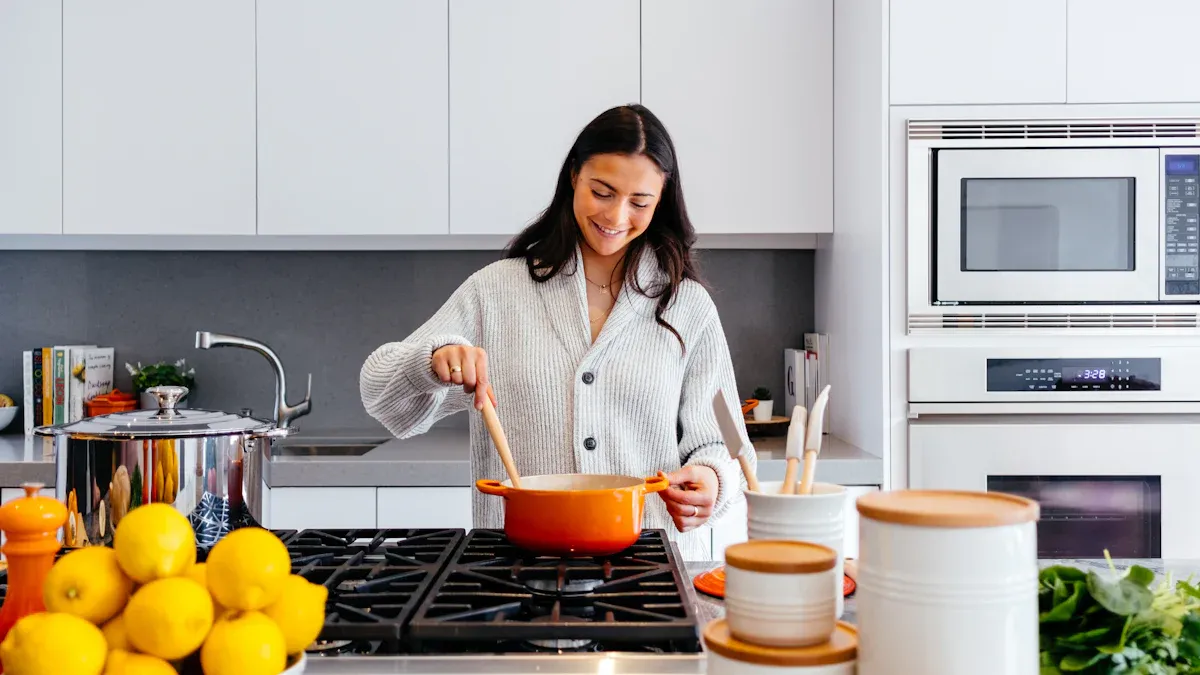
Spices are the magical ingredients that elevate your cooking. When you cook with spices, they enhance flavors and create depth in your everyday meals. Did you know that about 45% of global dishes use warming spices like cinnamon and clove? Historically, spices transformed meals from basic sustenance to culturally significant dishes. Embrace the world of spices, and watch your culinary creations come to life!
Key Takeaways
Spices enhance flavors and create depth in meals. Experimenting with spices can transform bland dishes into exciting culinary experiences.
Stock your kitchen with essential spices like black pepper, ginger, and cumin. These staples will help you create a variety of flavorful dishes.
Understand how to use spices effectively. Add them at the right time and in the right amounts to maximize flavor and avoid overwhelming your dishes.
Understanding Spices
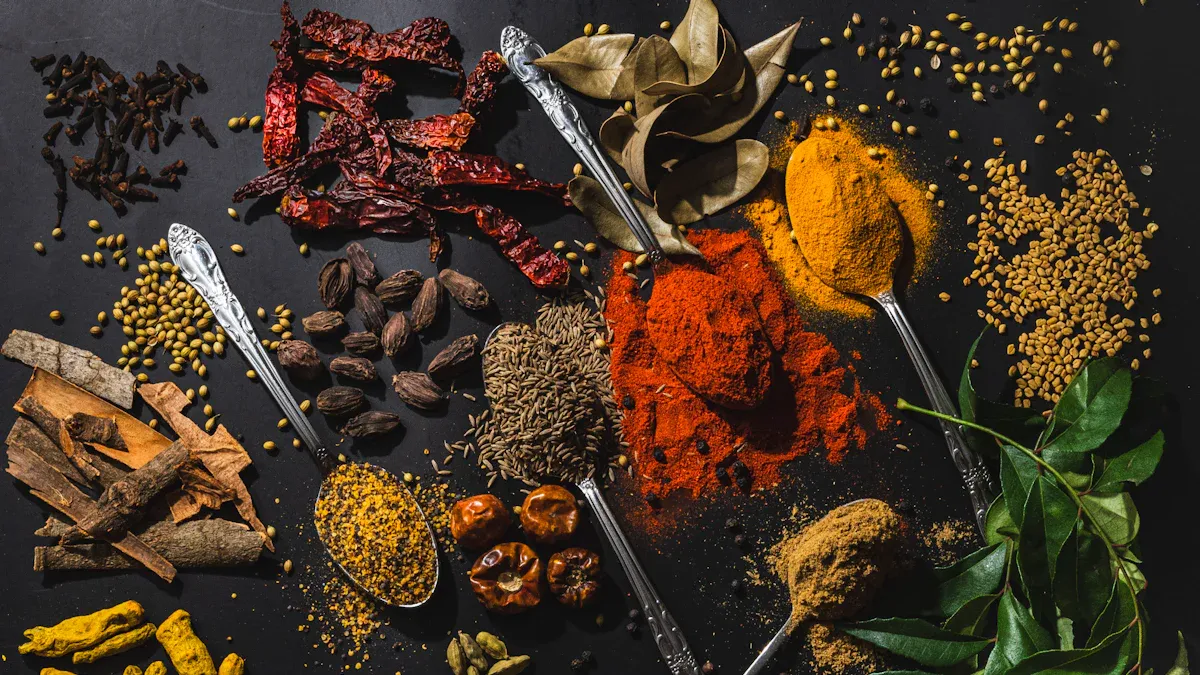
What Are Spices?
Spices are the dried parts of plants that add flavor, color, and aroma to your dishes. They come from seeds, fruits, roots, bark, or other non-leafy parts of plants. Here’s a quick look at some definitions:
Source | Definition |
|---|---|
Alibaba | A spice is any dried seed, fruit, root, bark, or vegetable substance used in minute quantities to flavor, color, or preserve food. Spices are derived from non-leafy plant components and typically offer more intense flavors. |
Wikipedia | A spice is a seed, fruit, root, bark, or other plant substance primarily used for flavoring or coloring food. Spices are distinguished from herbs, which are the leaves, flowers, or stems of plants used for flavoring or as a garnish. |
The Role of Spices in Flavor
Spices play a crucial role in enhancing the flavor of your meals. They can transform a bland dish into something extraordinary. Here are some key points to remember:
Spices vs. Herbs: Generally, spices come from parts of the plant other than the leaves, while herbs are specifically the leaves. For example, cinnamon is a spice, while basil is an herb. Some plants, like coriander, provide both a spice (the seed) and an herb (the leaf).
Common Spices: You might find spices like cinnamon, ginger, and black pepper in your kitchen. These spices not only add flavor but also bring health benefits. For instance, ginger has anti-inflammatory properties, while cinnamon can help regulate blood sugar levels.
Misconceptions: Many beginner cooks misunderstand how to use spices. They might think spices only belong at the beginning of cooking or that they should stick to recipes. In reality, experimenting with spices can lead to exciting new flavors!
Embrace the world of spices, and let them guide you in creating delicious meals that excite your taste buds!
Essential Spices for Beginners
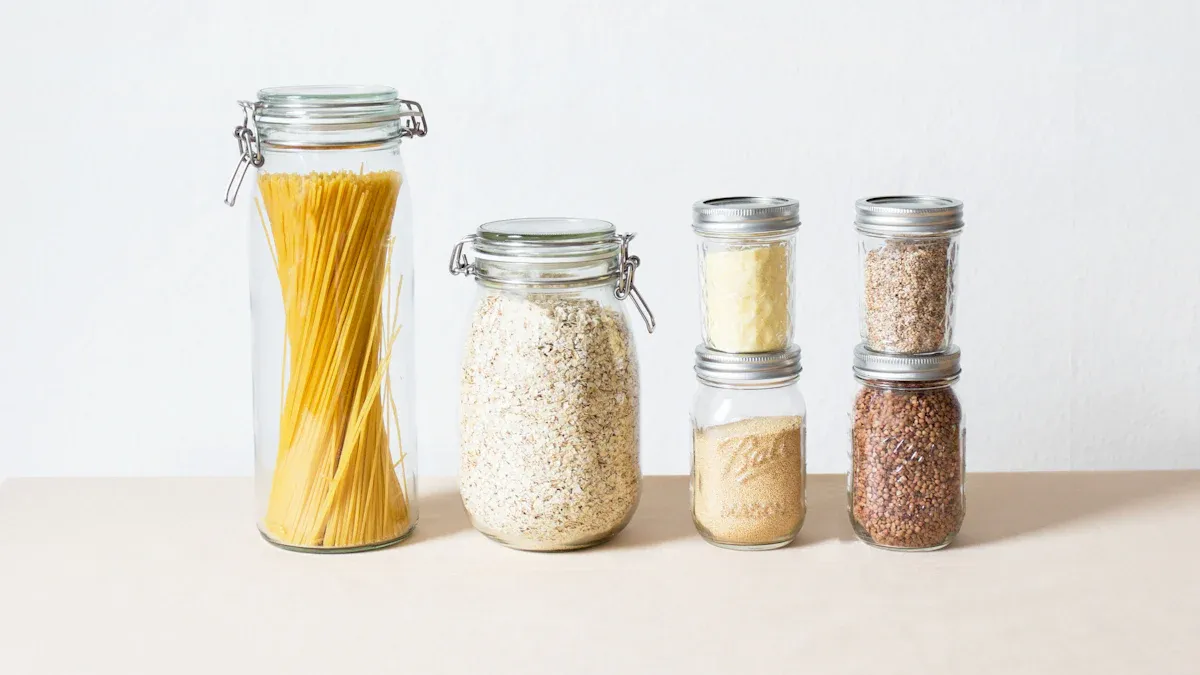
When you start your journey to cook with spices, stocking your kitchen with the right essentials makes all the difference. Here’s a list of key spices that every beginner should have on hand:
Black Pepper: This spice is a staple in many kitchens. It adds heat and enhances the flavor of soups, salads, and meats.
Ginger: Known for its versatility, ginger works well in both sweet and savory dishes. It also has medicinal properties, making it a great addition to your pantry.
Cumin: This ancient spice brings an earthy flavor to your meals. Use it in breads, stews, and sauces for a rich taste.
Kosher Salt: Perfect for controlling salt levels, kosher salt is essential for seasoning and making spice rubs.
Ground Saigon Cinnamon: This spice is fantastic for both sweet and savory dishes, adding warmth and depth to your recipes.
Garlic Powder: A time-saver in the kitchen, garlic powder is a must-have for many cuisines.
Hungarian Sweet Paprika: This spice adds vibrant color and flavor to soups and stews.
Now that you know some essential spices, let’s explore their flavor profiles. Understanding how different spices contribute to your dishes can help you create delicious meals.
Flavor Category | Examples of Spices | Description |
|---|---|---|
Sweet | Cinnamon, Nutmeg, Cardamom | Adds warmth and sweetness to dishes |
Savory/Umami | Thyme, Rosemary, Sage | Enhances overall flavor depth |
Spicy/Heat | Chili Peppers, Black Pepper, Paprika | Adds varying levels of heat |
Citrusy | Coriander, Lemongrass | Brings brightness and cuts through richness |
Earthy | Cumin, Turmeric, Coriander | Provides grounding flavors that pair well |
Each of these spices brings something unique to the table. For instance, cinnamon adds warmth and sweetness, making it perfect for both desserts and savory dishes. On the other hand, paprika can range from sweet to spicy, enhancing a variety of meals.
As you begin to experiment with these essential spices, remember that freshness matters. Fresh spices significantly improve the flavor of your dishes compared to older, less vibrant options. So, keep your spices stored properly in a cool, dark place to maintain their potency.
Embrace these essential spices, and you’ll find that cooking becomes a more enjoyable and flavorful experience!
How to Use Spices in Cooking
Incorporating Spices
When you start cooking with spices, knowing how to incorporate them can make a big difference in your dishes. Here are some effective methods to help you get the most out of your spices:
Experiment with Spice Blends: Mixing spices can simplify the process of adding complexity to your meals. Try creating your own blends to personalize flavors.
Toast and Grind Spices: Toasting spices in a dry pan releases their natural oils, enhancing their flavor. Grinding them fresh can also boost their potency.
Understand Spice Pairings: Certain spices work well together. For example, cumin pairs beautifully with coriander, while cinnamon complements nutmeg. Learning these combinations can help you layer flavors effectively.
Start Small: Begin with small amounts of spices and adjust gradually. This approach allows you to achieve the right balance without overwhelming your dish.
Timing and Quantity Tips
Timing is crucial when it comes to using spices. The way you add them can significantly impact the final flavor of your dish. Here are some tips to keep in mind:
Add Early for Infusion: Adding spices at the beginning of cooking helps create a spice-infused oil, maximizing flavor extraction. This method works well for dishes that simmer, like soups and stews.
Simmer for Depth: If you’re making a broth, simmering spices allows their flavors to develop. However, adding them too early can mute their taste, while adding them too late may prevent deep flavor integration.
Finish with Freshness: Topping off a dish with spices at the end can enhance flavor, but it may not allow for full flavor development. Consider this when deciding when to add your spices.
Adjust Gradually: Always taste your dish before serving. If it needs more flavor, add a little more spice. Remember, it’s easier to add than to take away!
Avoid common mistakes like hoarding spices or using them past their prime. Fresh spices deliver the best flavor, so store them properly in cool, dry, and airtight containers.
By understanding how to use spices effectively, you can elevate your cooking and create delicious meals that excite your taste buds!
Spice Combinations and Blends
Popular Spice Blends
Spice blends can add incredible depth to your dishes. They often reflect cultural traditions and personal tastes. For example, garam masala is a popular blend in Indian cooking. During a visit to a spice market in Mumbai, a merchant shared that each household has its unique version of garam masala. This personal touch highlights the diversity of traditional spice blends. Common spices in garam masala include:
Cumin
Coriander
Cardamom
Cinnamon
Nutmeg
Cloves
Bay leaves
Black peppercorns
Fennel seeds
Mace
Star anise
Typically, you toast these spices whole before grinding them into a fine powder. This process enhances their flavor, making your dishes even more delicious!
Creating Custom Spice Mixes
Creating your own spice mixes is a fun way to personalize your cooking. Here are some simple steps to get you started:
Gather your tools: You’ll need a mortar and pestle or a spice grinder, airtight containers, labels, and a notebook.
Source high-quality spices: Whole spices provide better flavor than pre-ground ones.
Mix your chosen spices: Start with small amounts and adjust the ratios to suit your taste.
Store your blend: Keep it in airtight containers to maintain freshness.
Custom spice blends allow you to connect with your culinary heritage. Whether you’re following family recipes or exploring new flavors, these blends can reflect your personal style. So, get creative and enjoy the process of discovering new tastes!
Spices are essential for unlocking flavor confidence in your cooking. They help create distinctive flavors, balance tastes, and even offer health benefits. Don’t hesitate to experiment with different spices and combinations. You’ll discover new flavors and enhance your culinary skills, making every meal an exciting adventure!
FAQ
What is the best way to store spices?
Store spices in a cool, dark place in airtight containers to maintain freshness and flavor.
How long do spices last?
Most spices last about 1-3 years. Check for potency by smelling or tasting them.
Can I use dried herbs instead of spices?
Yes, you can! Dried herbs add flavor, but they may not provide the same intensity as spices.
