
Book Appointment Now

How to Choose the Right Cookware for Different Dishes

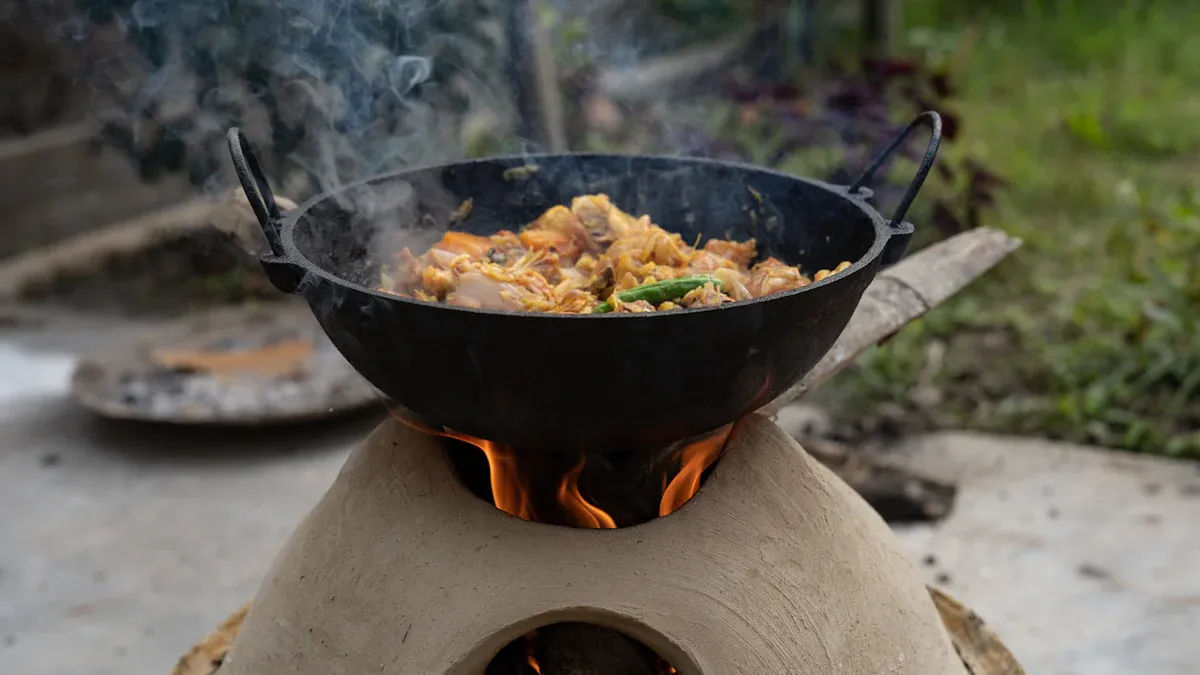
Choosing the right cookware is crucial for any home cook. The right pots and pans can elevate your dishes and make cooking a breeze. Different materials, like copper or stainless steel, affect heat distribution and food quality. For example, copper heats quickly and evenly, while cast iron retains heat well. When you choose the right cookware, you not only improve your cooking efficiency but also enhance the flavors of your meals. Keep in mind factors such as material, cost, and functionality, as they all play a role in your cooking success.
Key Takeaways
Choose cookware based on your cooking style. Different materials like cast iron or stainless steel can enhance your cooking experience.
Consider buying cookware sets for a complete kitchen solution. Individual pieces allow for customization based on your specific needs.
Invest in quality cookware. Higher-quality items last longer and perform better, saving you money in the long run.
Select cookware that matches your kitchen aesthetics. A visually appealing kitchen can make cooking more enjoyable.
Always check the manufacturer’s guidelines for oven safety. Not all cookware is suitable for high temperatures.
Cookware Types
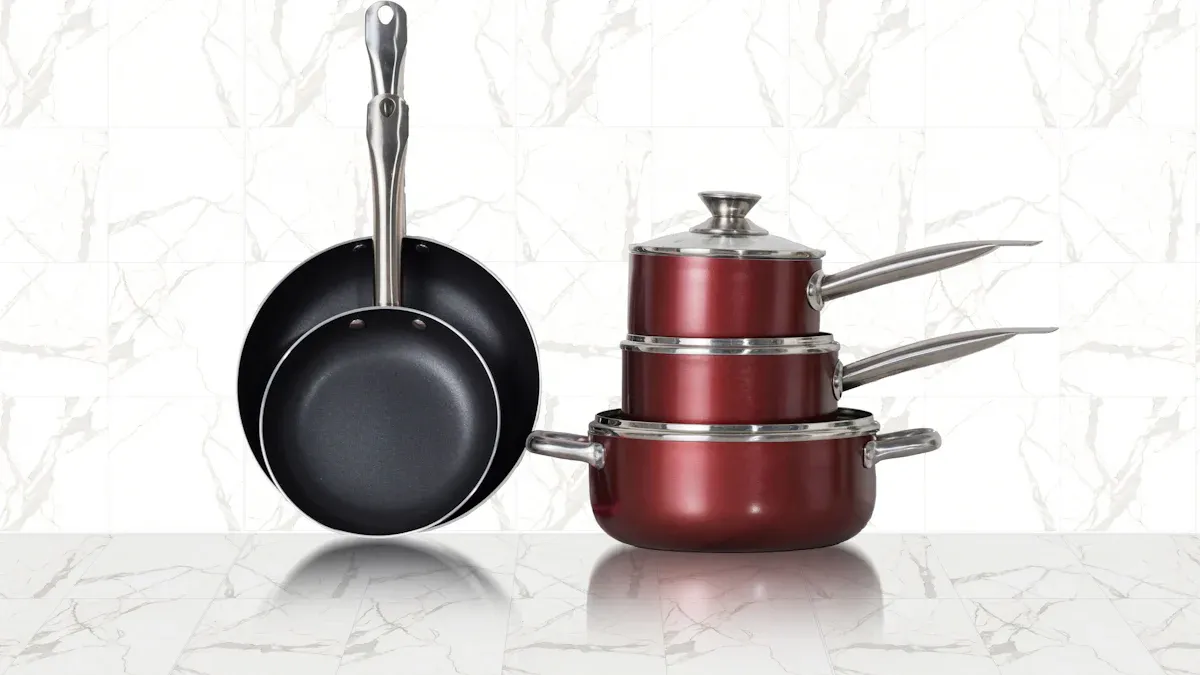
Sets vs. Individual Pieces
When it comes to cookware, you often face a choice between buying sets or individual pieces. Each option has its perks.
Cookware Sets: These usually come with multiple pots and pans, making them a great choice if you want a complete kitchen solution. They often include various sizes and types, which can be handy for different cooking methods. Plus, buying a set can save you money compared to purchasing items separately. For example, you might find a 10-piece set for under $200, which is a steal for the variety you get!
Individual Pieces: If you prefer to pick and choose, individual pieces might be your best bet. This option allows you to focus on what you really need. Maybe you only want a high-quality frying pan or a specific saucepan. Individual items can also be lighter and easier to handle, especially if you have limited storage space.
Here’s a quick comparison of the two options:
Aspect | Cookware Sets | Individual Pieces |
|---|---|---|
Price | Starting around $395 for Caraway sets | About $145 for Our Place’s Always Pan |
Value | Higher initial investment for durability | Excellent value for budget-conscious |
User Preference | Appeals to those wanting a complete set | Great for minimalists or limited space |
Durability | Heavier, robust construction | Lighter, designed for convenience |
Functionality | Designed to work together | Multi-functional hero products |
Specialty Cookware
Specialty cookware is designed for specific cooking methods, and it can make a big difference in your kitchen. For instance, if you love roasting, a heavy-duty roasting pan is essential. The Solidteknics BIGGA Pan is a fantastic choice. It’s durable and can handle high temperatures, making it perfect for roasting meats and vegetables.
You might also consider these popular specialty cookware types:
Enameled Cast Iron: Easy to clean and nonreactive, this type is great for slow cooking and baking.
Clay and Stoneware: These materials are perfect for casseroles and baked goods, providing excellent cooking results.
Nonstick Surfaces: Ideal for cooking with minimal oil, but they require careful maintenance to keep them in good shape.
Choosing the right cookware, whether it’s a set or a specialty piece, can enhance your cooking experience and help you achieve delicious results!
Choosing Cookware: Key Considerations
Material Properties
When you think about cookware, the material plays a huge role in how your food turns out. Different materials have unique properties that affect heat distribution and retention. For instance, cast iron is famous for its excellent heat retention. It takes a bit longer to heat up, but once it’s hot, it stays that way. This can be great for slow-cooking or frying, but be careful of hot spots that can lead to uneven cooking.
On the other hand, stainless steel is durable and easy to clean, but it doesn’t conduct heat as well. This means it can heat slowly and unevenly unless combined with other metals like aluminum or copper. Aluminum is a great conductor of heat, but if it’s too thin, it can create hot spots. A thicker layer of aluminum helps distribute heat more evenly, which is essential for consistent cooking results.
Remember, the right material can enhance your cooking experience. Each type has its pros and cons, so consider what works best for your cooking style.
Cost vs. Quality
When you’re buying cookware, you often face the dilemma of cost versus quality. It’s tempting to go for the cheapest option, but that can lead to problems down the line. Cheap cookware might warp, scratch, or not heat evenly, which can ruin your dishes. Investing in higher-quality cookware can save you money in the long run because it lasts longer and performs better.
Here’s a quick tip: look for cookware that balances quality and price. Sometimes, spending a little more on a versatile piece can be worth it. For example, a good stainless steel pan can handle high heat and is non-reactive, making it perfect for various cooking methods.
Functionality and Versatility
You want cookware that fits your cooking habits. Think about the types of dishes you prepare most often. If you love to sauté, a good nonstick skillet is a must. It allows you to cook with less oil and makes cleanup a breeze. If you often roast or bake, consider investing in a heavy-duty roasting pan or a versatile Dutch oven.
Here’s a table to help you see which cookware types offer the greatest versatility:
Cookware Type | Best For | Pros | Cons |
|---|---|---|---|
Stainless Steel | Everyday cooking and multi-tasking | Scratch & dent resistant, superior heat transfer, withstands high heat, non-reactive, easy to maintain | Learning curve, variation in quality |
Cast Iron | Frying, searing, slow-cooking | High heat retention, naturally nonstick, adds minerals to dishes, long lifespan | Not heat reactive, transfers flavors, special care needed, heavy lifting |
By choosing the right cookware, you can enhance your cooking efficiency and enjoy delicious meals. Remember to consider your cooking style, the materials that suit your needs, and the balance between cost and quality.
Recommendations for Cooking Styles
Baking Essentials
When it comes to baking, having the right tools can make all the difference. Here are some essential pots and pans you should consider adding to your kitchen:
Baking pans (various types)
Mixing tools (including a stand mixer and mixing bowls)
Measuring devices (like a kitchen scale and kitchen timer)
Silicone baking mats (Silpats)
Fine mesh sieve
Different materials can also affect your baking results. For example, metal pans conduct heat well, which can lead to over-browning if you’re not careful. Dark metals absorb heat quickly, while light metals provide more even baking. Glass bakeware distributes heat evenly and retains warmth, making it ideal for certain dishes. Stoneware absorbs moisture, creating a crispy exterior, but it requires preheating for optimal results. So, choose your bakeware wisely to achieve the best outcomes!
Searing and Frying
For searing and frying, you want cookware that can handle high temperatures and provide excellent heat distribution. Here’s a quick look at what to consider:
Feature | Description |
|---|---|
Non-stick Surface | Titanium-reinforced ceramic non-stick for easy food release and less oil usage. |
Temperature Control | Heats quickly and evenly, crucial for achieving a perfect sear or fry. |
Compatibility | Suitable for all cooktops, including induction, enhancing versatility in cooking methods. |
Oven Safety | Oven safe up to 400-degrees Fahrenheit, allowing for various cooking techniques. |
When frying, remember to use low to medium heat to avoid toxic fumes from nonstick coatings. High heat can degrade the nonstick surface, leading to sticking and discoloration. Always avoid heating an empty pan to prevent smoke or fire hazards. Following these safety practices will help you maintain your cookware’s integrity while achieving delicious results.
Boiling and Steaming
For boiling and steaming vegetables and grains, you’ll want to invest in the right pots and steamers. Here are some recommended options:
Stovetop steamer baskets: Affordable and compact, ideal for occasional use.
Bamboo steamers: Eco-friendly and non-stick, best for specialty use.
Electric food steamers (3-tier models): Convenient for regular use, suitable for cooking multiple items simultaneously.
The design of your cookware can significantly influence nutrient retention during cooking. Cookware made from materials with high thermal diffusivity, like aluminum, can lead to faster cooking times but may also result in greater nutrient loss. In contrast, pots made from titanium and enamel operate under low-pressure conditions, preserving more nutrients. Choosing the right cookware not only enhances your cooking experience but also helps you serve healthier meals.
Choosing the right cookware can truly transform your cooking experience. Remember to consider these key factors:
Cost: Set a budget to avoid overspending.
Quality: Invest in durable cookware for better performance.
Material: Select materials that suit your cooking style.
Aesthetics: Pick cookware that matches your kitchen’s look.
By making informed choices, you can enhance flavor development, achieve consistent results, and improve your kitchen efficiency. So, think about your cooking habits and preferences. With the right cookware, you’ll enjoy every meal you prepare! 🍳
FAQ
What cookware is best for beginners?
Start with a basic set that includes a nonstick skillet, a saucepan, and a stockpot. These versatile pieces cover most cooking needs and make meal preparation easier.
Can I use metal utensils on nonstick cookware?
Avoid using metal utensils on nonstick surfaces. They can scratch and damage the coating. Opt for silicone, wood, or plastic utensils instead to prolong the life of your cookware.
How do I care for cast iron cookware?
Clean cast iron with hot water and a stiff brush. Avoid soap, as it can strip the seasoning. Dry it immediately and apply a thin layer of oil to maintain its nonstick surface.
Is it worth investing in high-quality cookware?
Yes! High-quality cookware lasts longer and performs better. It distributes heat evenly, reducing cooking time and improving food quality. Investing now saves you money in the long run.
Can I use my cookware in the oven?
Check the manufacturer’s guidelines. Many pots and pans are oven-safe, but some nonstick coatings may not withstand high temperatures. Always verify before placing cookware in the oven.
