
Book Appointment Now

8 Best Bunka Knives for 2026: A Sharp Cut Above the Rest

A bunka knife earns its place on the counter by doing three jobs in one: rocking through herbs, push-cutting vegetables, and slicing proteins without feeling clumsy. Japanese home cooks reach for it because the flat edge near the heel handles tap-down cuts, while the tall blade gives knuckles clearance. This roundup covers single blades and full sets that channel that bunka spirit, so you can match shape, steel, and weight to the way you actually cook.
A Fast Comparison Of The Options
PickWhy We Picked ItBest ForAction
Beginner Friendly
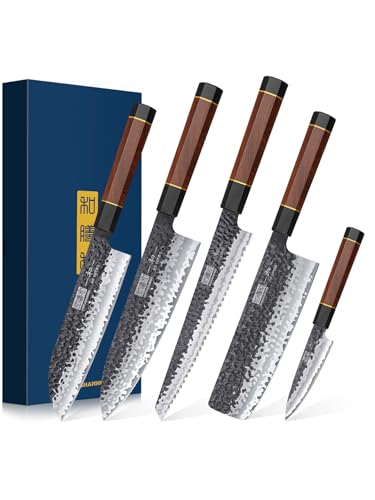
HOSHANHO 5-Piece Japanese High Carbon Steel Knife Set
Full starter lineup
New home cooks


Professional Pick
KAWAHIRO 8.27″ Hand-Forged VG10 Chef Knife
Hand-forged VG10 core
Long-session prep cooks

Gift Ready
KAWAHIRO 210mm Kiritsuke VG-10 Chef Knife
Tri-ply construction with gift box
Special occasion gifting

Everyday Favorite
KAWAHIRO 7″ Hand-Forged VG10 Santoku Knife
Tapered spine for comfort
Design Standout
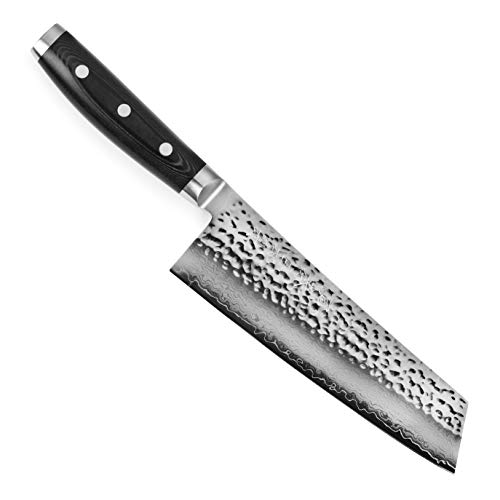
Enso HD 7″ Bunka VG10 Hammered Damascus
Hammered tsuchime finish
Sticky-food prep work

Heavy Duty Pick
HOSHANHO 8-Piece Butcher Magnetic Knife Set
Butcher-focused blade range
Meat-heavy home kitchens

Space Saver
HOSHANHO 6-Piece Knife Set with Magnetic Holder
Compact magnetic storage
What Each Pick Brings To The Table
Setting up a first kitchen often means piecing together one knife at a time, and that hunt ends here. HOSHANHO’s five-piece set covers the everyday bases with an 8-inch chef’s knife, an 8-inch bread slicer, a 7-inch santoku, a 7-inch nakiri, and a 3.75-inch parer. The nakiri in particular pulls double duty for vegetable prep, while the santoku gives you the flatter belly that bunka fans love.
For most new cooks, that range removes the guesswork from outfitting a block. The high carbon steel core sharpens up easily on a basic whetstone, and the broader selection means you can experiment with different blade shapes before committing to a specialty piece like the Enso SG2 further down this list.
Points In Its Favor
- Covers five core prep jobs in a single purchase
- Nakiri and santoku shapes let you learn what you prefer
- High carbon steel takes a keen edge with light honing
- Light enough for extended prep without wrist fatigue
Things To Consider
- High carbon steel needs a quick dry after washing to prevent surface marks
- Lacks a dedicated storage block, so a magnetic strip or in-drawer tray helps
Key Specs
Built With In Mind
First-time home cooks outfitting a kitchen without leaning on a parent hand-me-down set.
Swap It Out When
Cooks craving a single heirloom-quality blade should look at the Enso SG2 Bunka Knife instead, which trades variety for a more refined edge.
A real bunka knife is its own thing, taller than a petty and flatter than a gyuto, and the Enso SG2 leans into that profile with intention. The blade is built around an SG2 micro-carbide powder stainless core, which is a steel class prized for fine grain and long edge life. Layered in 101 stainless Damascus sheets, it carries the rippled look collectors love without giving up daily durability.
The handle is where Enso separates this from workhorse knives. Black canvas micarta (a resin-soaked fabric that grips well even when wet) sits between an 18/10 stainless bolster and an engraved end cap, with a red spacer adding a quiet visual accent. You’ll feel the weight sit just forward of the pinch grip, which is where bunka fans want it for tap-down cuts.
Notable Gains
- Hand-engraved kanji adds a personal touch to the flats
- Double-bevel edge works for both right and left-handed cooks
- 63 Rockwell hardness means the edge holds through long prep sessions
- Approximately 12-degree edge for cleaner slices on ripe produce
Points To Note
- SG2 core rewards regular whetstone care, so plan for a honing routine
- Handle balance skews forward, which may take a session to feel natural
- Decorative engraving may show wear over years of heavy use
Feature Snapshot
Who It Suits Best
Confident home chefs who already know they want a true bunka and are ready to invest in a blade they will use for years.
Where Another Pick Suits Better
Cooks who want a stamped steel starter should consider the HOSHANHO 5-Piece Knife Set, which trades edge refinement for a fuller kitchen lineup.
For cooks who push through meal prep without pausing, hand-forged construction earns its keep. KAWAHIRO’s 8.27-inch chef knife wraps a VG10 core (a cobalt-enriched stainless known for edge retention) in a black forged finish that helps food release during long chopping runs. The longer blade gives you the knuckle clearance and rocking room that bunka-style work demands, even though the shape leans more gyuto than true bunka.
Compare that to the Enso SG2’s 7-inch bunka profile, and this KAWAHIRO reads as a working alternative for cooks who want length and weight over traditional bunka geometry. It is a sensible match for anyone breaking down a full sheet-pan dinner’s worth of vegetables in one go.
The Upside
- VG10 core holds an edge through marathon prep sessions
- Black forged finish reduces visible scratches over time
- 8.27-inch length gives extra reach for larger produce
- Hand-forged build adds a denser, more confident feel in the hand
Worth Noting
- Longer blade can feel unwieldy in smaller hands or tight prep corners
- VG10 needs a real whetstone, not a pull-through sharpener, to refinish properly
Right Fit For
Home cooks handling big-batch prep, like farmers’ market hauls or weekly meal prep, who want length and weight behind every cut.
Skip It When
Beginners who want shape variety should reach for the KAWAHIRO 7″ Santoku Knife instead, which offers a friendlier intro to VG10.
The kiritsuke sits next to the bunka in Japanese kitchens because the two share a tall, flat-sided profile. KAWAHIRO builds this 210mm version with a three-layer composite, where softer stainless wraps a harder VG10 core, giving you the snap of premium steel with a little more forgiveness during re-sharpening. The included wood presentation box turns it into a present that doesn’t need extra wrapping.
The reverse-tanto tip (an angled point common on kiritsuke blades) makes it a confident slicer for sashimi-style work and long vegetable pulls. It is a step up in profile from the HOSHANHO 5-Piece set and shares the VG10 pedigree of the KAWAHIRO 8.27-inch chef knife, but pairs it with a more gift-friendly footprint.
The Helpful Details
- Three-layer composite adds structural strength to a long blade
- 62 HRC rating balances edge life with sharpening ease
- Premium wood box included for gifting or safe storage
- Ergonomic handle reduces grip pressure during long cuts
Trade Offs
- Kiritsuke tip requires confident tip control to avoid snap damage
- 210mm length may feel long for cooks used to 7-inch blades
Quick Facts
Best Suited To
People shopping for a milestone gift, like a wedding or housewarming, where presentation matters as much as the steel.
Consider Something Else When
Cooks who prep mostly vegetables may find the KAWAHIRO 7″ Santoku a more comfortable daily carry than a 210mm kiritsuke.
A 7-inch santoku is the closest cousin to a bunka, and KAWAHIRO’s version uses a VG10 core wrapped in three-layer steel for an accessible step into Japanese-style blades. The tapered spine (the top edge of the blade) keeps the weight forward without feeling tip-heavy, which is the kind of detail that matters when you’re cutting through a pile of onions on a Wednesday night.
This is the knife to grab when the Enso HD feels like too much and the HOSHANHO 5-Piece set is too many. It sits in that middle ground where you get genuine hand-forged construction without committing to a full set or a $300-plus bunka.
Notable Upsides
- Tapered spine reduces hand fatigue on long prep sessions
- VG10 core at 60 to 62 HRC holds an edge through daily use
- 7-inch length suits most cutting boards and most hands
- Minimal drag on starchy vegetables like potatoes
Room For Improvement
- Hand-wash and dry recommended to preserve the finish
- Not a true bunka shape, so traditionalists may want the Enso HD instead
Who Will Love This
Cooks who want one reliable Japanese-style knife for daily vegetable and protein prep without juggling a full set.
A Better Fit Elsewhere
Anyone set on a hammered Damascus finish should look at the Enso HD 7″ Bunka Knife for a more traditional bunka profile.
The hammered tsuchime finish on this Enso HD is more than a styling choice. Those small dimples across the blade face break suction between the steel and whatever you’re slicing, which means potatoes, aubergine, and other sticky vegetables release cleanly instead of clinging to the flats. The 37-layer stainless Damascus wraps a VG10 core that lands at about 61 Rockwell hardness, an edge retention sweet spot for daily drivers.
Where the SG2 Bunka higher in this list pushes toward collector-grade refinement, the HD aims at cooks who want a workhorse bunka with personality. The 7-inch blade keeps it maneuverable on a standard cutting board, and the canvas micarta handle stays grippy even with damp hands. Compared to the HOSHANHO 5-Piece set, this trades breadth of cutlery for a single, much more focused tool.
Bright Spots
- Hammered finish reduces sticking on starchy vegetables
- Double-bevel edge works for both right and left-handed cooks
- VG10 core at 61 HRC balances sharpness and ease of maintenance
- Canvas micarta handle is durable and water-resistant
Honest Caveats
- Hand-wash only, since dishwashers can damage micarta and Damascus cladding
- Blade height of 2 inches may feel narrow for cooks with larger hands
- Single-blade purchase means buying a separate parer for small tasks
At A Glance
Perfect Match For
Vegetable-forward cooks who want a true bunka shape with a finish that actively helps with sticky produce.
Not Your Match When
Shoppers who want a complete starter kitchen should consider the HOSHANHO 6-Piece Set with Magnetic Holder, which covers more prep styles in one box.
Butchering at home means handling bones, sinew, and thick cuts, and most general-purpose sets leave you reaching for the wrong tool. HOSHANHO’s eight-piece set leans into that challenge with a 6-inch bone chopper, a 6-inch meat cleaver, a 6-inch dividing knife, and a Viking-style blade, plus a fillet knife for fish work. The double-sided acacia wood magnetic holder keeps everything visible and within reach.
Where the Enso SG2 and Enso HD are about a single refined blade, this set is about range. The bunka fan who also smokes brisket on weekends will appreciate having a dedicated cleaver alongside the vegetable knives, even if the steel class is a step down from hand-forged VG10.
Features That Help
- Bone chopper and cleaver handle heavier breakdown tasks
- Fillet knife handles fish and poultry trim work
- Double-sided magnetic block fits along a counter or wall
- Acacia wood adds warmth to the storage display
Some Limits To Know
- Eight pieces take up meaningful counter or wall space
- Steel class is geared for general use rather than long edge retention
- Magnetic holder requires careful wall mounting for heavier blades
Right Fit For
Home cooks who break down whole proteins regularly and want purpose-built blades rather than a single generalist knife.
Reach For A Different Pick When
Cooks focused on vegetable and precision work will get more from the Enso HD 7″ Bunka Knife, which narrows in on that single use case.
Small kitchens, rentals, and shared spaces rarely have room for an eight-slot block, which is where this six-piece set earns its keep. HOSHANHO trims the lineup to an 8-inch chef’s knife, 8-inch bread knife, 7-inch santoku, 6-inch utility, and 3.75-inch parer, then pairs it with a double-sided acacia wood magnetic holder. The core is embedded with a strong magnet that holds blades securely without traditional slots.
Compared to the wider HOSHANHO 5-Piece set earlier in this list, this option adds a magnetic block and swaps the nakiri for a utility knife. The result is a more compact footprint for cooks who need a full range without dedicating an entire drawer to cutlery.
Real Benefits
- Magnetic holder reduces counter clutter and shows off the blades
- Six pieces cover chef, bread, santoku, utility, and paring roles
- Acacia wood holder is durable and resists kitchen moisture
- Strong magnet keeps blades from sliding during use
Practical Considerations
- Wall mounting requires studs or anchors to support heavier blades
- Steel is general-purpose rather than premium, so edge life is moderate
Built With In Mind
Apartment dwellers, renters, and anyone with a small galley kitchen who still wants a full prep lineup.
Where A Sibling Pick Shines
Cooks who cook a lot of meat and want heavier breakdown blades will get more from the HOSHANHO 8-Piece Butcher Magnetic Knife Set.
What Separates A Great Bunka From A Decent One
A bunka lives or dies by its geometry. The straight edge near the heel makes it a friend for tap-down cuts through tomatoes or herbs, while the taller blade keeps knuckles clear of the board. Blade height between 45mm and 55mm is the sweet spot for most cooks, and anything noticeably narrower will feel more like a petty knife.
Steel class matters too. VG10 sits in the comfortable middle for most home cooks, balancing edge retention with reasonable sharpening. SG2, like the Enso SG2 above, pushes into collector territory with finer carbide structure and longer edge life, but it costs more and demands whetstone care. Lower-tier stainless steel still works, though you will find yourself reaching for the hone more often.
Weight and balance change how a bunka feels after twenty minutes of prep. A forward-balanced blade favors rocking cuts, while a more neutral balance suits push cuts and slicing. Handle material, whether pakkawood (resin-treated hardwood), micarta, or composite, mostly affects grip security in damp conditions, so wet hands during a busy service are a real test.
Finally, fit and finish show up in the small stuff. Look for a clean transition between bolster and handle, even grinds along the edge, and a choil (the small indent where blade meets handle) shaped enough to sharpen the heel comfortably. These details are where premium picks like the Enso HD and KAWAHIRO kiritsuke pull ahead of budget bundles.
Where Shoppers Go Wrong
Buying on looks alone is a common trap, since flashy Damascus patterning does not always signal better steel at the core. A 37-layer cladding over soft stainless cuts differently from a true SG2 core, and the source data matters more than the surface pattern.
Another misstep is ignoring handle fit. A bunka with a forward-heavy balance can wear out a smaller hand during long prep, and a too-thick handle frustrates cooks with a precise pinch grip. Whenever possible, look for stated handle dimensions and balance notes.
Finally, skipping maintenance planning sets new owners up for frustration. VG10 and SG2 both respond best to whetstone sharpening, so budget for a basic stone and a few minutes of practice before the first dull edge arrives. Magnetic blocks help, but only if mounted into studs or with proper anchors for the heavier chef’s knives in the set.
Where The Extra Money Goes
Higher-tier bunka knives cost more for three real reasons. First, the steel is harder and more wear-resistant, which means less frequent sharpening and longer edge life. Second, the construction is often hand-finished, with hand-ground edges, engraved kanji, and tighter tolerances between handle and bolster. Third, the fit and finish tends to age better, with micarta and pakkawood handles that outlast stamped plastic.
The upgrade pays off most for cooks who use the knife several times a week, who already own a whetstone, and who care about how the blade feels in the hand. A casual cook who pulls out a chef’s knife on Sundays may not notice the difference between VG10 and SG2, and a general set will serve them just as well.
Frequently Asked Questions
What makes a bunka knife different from a santoku?
A bunka has a flatter edge near the heel and a more pointed tip, which gives it more versatility for both tap-down cuts and detail work. A santoku leans further into the rocking-style prep, with a more rounded belly and a sheep’s-foot tip.
How long does a VG10 bunka knife stay sharp?
With regular home use, a properly maintained VG10 edge typically holds its working sharpness for several weeks before a touch-up. The exact window depends on what you cut, with bones and squash dulling edges faster than herbs and tomatoes.
Can a beginner start with a hand-forged bunka knife?
Yes, though the jump from a stamped set to a hand-forged blade is steeper in maintenance terms. Beginners benefit from a basic 1000-grit whetstone and a few minutes of practice before the first sharpening session.
Are magnetic knife holders safe for Japanese blades?
Magnetic holders work well for Japanese blades as long as the magnets are strong enough for the blade weight and the mount is anchored into studs or with proper hardware. The contact between blade and wood is gentler than a traditional slotted block, which can help protect Damascus finishes.
Do bunka knives need a special cutting board?
A soft wood or composite board is the safest match, since bamboo and glass boards dull edges quickly. Plastic boards are a workable alternative, and end-grain wood offers the most protection for a premium edge.
Closing Remarks
The right bunka knife is the one that disappears in your hand and shows up in every prep session. Start with how you actually cook, then match steel, weight, and shape to that routine. Whether you land on a full HOSHANHO set, a hand-forged KAWAHIRO, or a flagship Enso, the goal is the same: cleaner cuts, easier prep, and a knife you reach for without thinking.
