
Book Appointment Now

8 Best Bone Chopping Knives for 2026

A good bone chopping knife is the difference between a clean cut and a kitchen nightmare. The right blade flexes around joints, powers through poultry backs, and strips meat off ribs without shredding the flesh. The wrong one slips, snags, or simply gives up halfway through the job.
Picking the right one means thinking about how you actually cook. Weekend hunters processing their own deer, home cooks breaking down whole chickens, and weekend anglers cleaning fresh catch all need different flex and length in the blade. This list pulls together eight solid options covering tight budgets, dedicated pros, and folks who just want one dependable knife on the magnetic strip.
How The Shortlist Stacks Up
PickWhy We Picked ItBest ForAction

Versatile 3-Piece Pick
Cutluxe Boning Knife Set, 6″ Straight, Curved & Flexible
Three blades for varied tasks
All-around home deboning

Pro Shop Staple
Victorinox Fibrox 6-In Curved Boning & Fillet Knife
Pro-grade flexibility and grip
Butcher shops and fish work

Trusted All-Rounder
Victorinox 6 Inch Curved Fibrox Pro Boning Knife
Semi-stiff balance of control
Versatile everyday protein prep

Angler’s Friend
HOSHANHO Fillet Knife 7 Inch, Japanese Fish Boning Knife
Thin 7-inch Japanese steel
Fresh fish cleaning and filleting

Everyday Workhorse
imarku Japanese Chef Knife 8 Inch
Tough high-carbon stainless steel
General heavy kitchen prep
Veggie Specialist
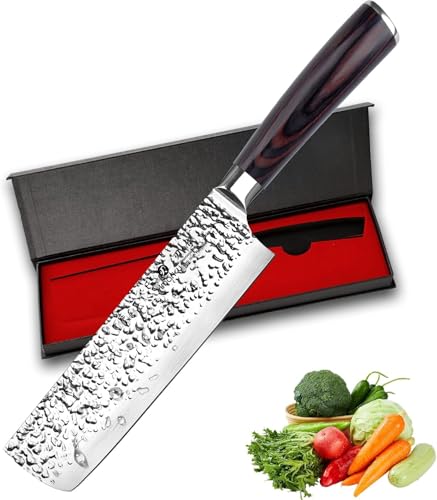
imarku Nakiri Knife 7 Inch
Flat edge for clean chopping
Vegetable prep and slicing
Compact Starter Bundle
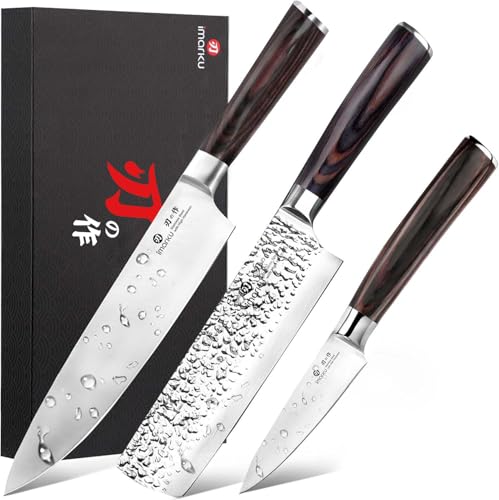
imarku 3-Piece HC Stainless Steel Knife Set
Three core blades in a set
Outfitting a new kitchen

Heavy-Duty Breaking
Victorinox Fibrox 8-Inch Curved Breaking Knife
Long curved blade for big cuts
Breaking down primal sections
Inside Each Recommended Option
Most households rarely need a full knife block, but a single boning blade tends to leave you stuck in the middle of a task. The Cutluxe 6-inch set covers the bases with a straight blade for clean skin-on cuts, a curved profile for working around joints, and a flexible option for sliding under skin and around ribcages. The slim profile on each one is the kind of tool you reach for when breaking down a whole chicken or trimming silver skin off a roast.
For most home cooks, the variety here matters more than the brand name. Three knives in one purchase means you can hand the flexible one to a partner cleaning fish while the straight blade handles trimming on the cutting board. Where the Cutluxe trio could fall short is at the very top end of professional butchery, but that is not the audience this set is aimed at.
Useful Highlights
- Three different 6-inch blade profiles cover most deboning tasks in one purchase
- Flexible option glides under skin and around delicate bones without tearing flesh
- Compact size works well in smaller kitchens with limited drawer space
- Hand-sharpened edge geometry is geared for clean, controlled cuts
Things To Consider
- Hand-washing and immediate drying will be needed to keep the edge and finish in good shape
- The 6-inch length can feel short when working on larger primal cuts
Feature Snapshot
Made For
Home cooks who want a flexible, all-in-one deboning kit for chickens, roasts, and the occasional fish.
A Better Fit Elsewhere
Shoppers focused purely on fish filleting will find the longer, thinner HOSHANHO 7-Inch Fillet Knife more purpose-built for that single job.
The Victorinox Fibrox curved boning knife shows up in professional kitchens and seafood counters for a reason. The flexible 6-inch blade and the textured Fibrox handle give the kind of confident control a butcher wants when a salmon needs to come off the skin in one clean sheet. The non-slip grip holds steady even when hands and the fish are wet.
For most home cooks, this single knife outperforms a drawer full of mismatched blades for fish and poultry tasks. The trade-off is that the handle is shaped for repeated professional use, so it can feel plain to someone upgrading from a stamped-steel starter knife. Still, you would be hard-pressed to find a better tool for the specific job of separating flesh from bone.
Where It Excels
- Flexible curved blade is ideal for tracing bone contours on fish and poultry
- Textured Fibrox handle maintains grip when the cutting board is wet
- Lightweight balance reduces wrist fatigue during longer prep sessions
- Long-standing reputation in commercial kitchens for reliability
Worth Noting
- Single-purpose design means you may want a second blade for thicker meats or breaking down larger primals
- Thin blade flex is a feature for fish but can feel floppy on tougher cuts
- No storage sheath included for safe drawer storage out of the box
Who It Suits Best
Home cooks and aspiring pros who want one excellent, dedicated boning knife for fish, poultry, and smaller meat projects.
Consider Something Else When
Anyone regularly breaking down whole ribeyes or large primals will appreciate the extra length and rigidity of the Victorinox 8-Inch Curved Breaking Knife later on this list.
The semi-stiff sibling to the flexible Fibrox boning knife trades a little bend for more push. The curved 6-inch profile still wraps around joints, but the stiffer spine means you can lean into silver skin and connective tissue without the blade folding. For cooks who split time between poultry, pork, and the occasional fish, that middle-ground feel is often the right answer.
You may find the handle style feels utilitarian compared to fancier western knives, and that is part of the appeal. The grip is molded for control, not for show. Compared to the Cutluxe set above, this is a single-knife commitment rather than a kit, so it works best for someone who already knows what they want in a boning tool.
What Works In Its Favor
- Semi-stiff spine pushes through connective tissue that would stall a fully flexible blade
- Curved edge tracks naturally along bone contours for clean deboning
- Ergonomic Fibrox Pro handle keeps grip secure during wet prep work
- Compact 6-inch size is approachable for cooks with smaller hands
Honest Caveats
- Lacks the lateral flexibility some fish cooks prefer for thin fillet work
- Plain aesthetic may not appeal to those shopping for a display piece
Quick Facts
Right Fit For
Versatile home cooks who split prep time between poultry, pork, and beef and want a single knife that handles all three.
Look Elsewhere When
Serious anglers and fish-only cooks should reach for the HOSHANHO 7-Inch Fillet Knife, which is built specifically for that workflow.
Cleaning a fresh catch demands a thinner, longer blade than the typical 6-inch boning knife. The HOSHANHO 7-inch fillet knife uses 10Cr15CoMoV high-carbon steel, a Japanese-grade formulation valued for holding a fine edge through a long cleaning session. The 15-degree edge angle per side is the kind of acute geometry that helps the blade glide along the spine without pulling meat off the bones.
Anglers who run a limit of trout or panfish will appreciate the extra reach over shorter 6-inch options like the Cutluxe straight blade. The catch is that a thin, hard blade can chip if it meets a hard surface, so the usual care rules apply: wooden or plastic boards, hand wash, dry right away. For most fishing households, the trade is well worth it.
Everyday Wins
- 7-inch length provides extra reach for whole trout, bass, and similar freshwater species
- High-carbon Japanese steel is built to take and hold a fine edge
- Thin profile slides under skin with minimal waste of flesh
- Longer handle gives room for a secure pinch grip during longer sessions
Points To Note
- Thin edge geometry is more vulnerable to chipping on hard cutting boards or bones
- High-carbon steel needs prompt drying after washing to prevent surface staining
Key Product Details
Who Should Grab It
Anglers, hunters, and home cooks who regularly process fresh fish and want a longer, thinner blade dedicated to the job.
Not Your Match When
Cooks looking for a general-purpose deboning tool will get more versatility from the Cutluxe Boning Knife Set, which covers both fish and larger proteins.
The imarku 8-inch chef’s knife is the multi-tool of the kitchen block. Built around a high-carbon stainless steel blade with a 0.6–0.75% carbon content, it leans toward the harder side of home kitchen cutlery, which means a longer-lasting edge during the weekly meat-and-veggie grind. The gyutou shape gives you enough belly to rock through herbs and enough flat edge to push through poultry joints.
Where it fits the bone-chopping conversation is for cooks who do not want a dedicated boning knife taking up drawer space. The 8-inch blade is long enough to work around a chicken carcass, though the depth of the blade is wider than a true boning profile. Compared to the Victorinox Fibrox Pro boning knife above, this is a more generalist tool, dependable for the cook who needs one knife to do most jobs.
Noteworthy Benefits
- High carbon content helps the edge stay sharp through repeated use
- 8-inch length handles large vegetables and small-to-medium proteins alike
- Gyutou profile is approachable for cooks transitioning from western chef’s knives
- Stainless steel construction is more forgiving on the maintenance side
Practical Considerations
- Wider blade depth is not as precise as a slim boning profile for tight work around joints
- Less flex means it is not ideal for sliding under fish skin or along ribcages
Technical Highlights
Whose Shelf It Belongs On
Home cooks building a single-knife setup who want something that handles daily produce and occasional protein prep in one tool.
Reach For A Different Pick When
Anyone doing regular chicken or fish breakdown will be better served by a dedicated slim blade like the Victorinox Fibrox 6-In Curved Boning Knife.
The nakiri is a shape built for one thing: clean, straight-down chopping through vegetables. The flat 7-inch edge meets the board on every stroke, so cabbage, carrots, and onions get cut rather than crushed. The 15-degree edge angle per side keeps the geometry thin enough for paper-thin tomato slices, and the anti-stick finish on the blade helps dense vegetables release cleanly.
For cooks who think of a “bone chopping knife” as the all-purpose tool that handles dinner prep, the nakiri is a useful complement rather than a true substitute. The shape does not rock, so it is not a replacement for the curved boning blades above. It belongs in a kitchen where someone is doing significant vegetable prep alongside the meat work.
Reasons It Performs
- Flat edge makes straight, clean cuts through stacked vegetables
- Anti-stick surface treatment helps slices fall away from the blade
- Razor-thin 15° edge keeps prep work quiet and efficient
- Compact 7-inch size is comfortable for cooks with smaller hands
Some Limits To Know
- Flat edge will not rock, so it cannot replace a chef’s knife for general prep
- Not designed for bone work, despite the broad “kitchen knife” framing
Who Will Love This
Veggie-forward home cooks who batch-prep produce and want a dedicated chopping knife alongside their protein blades.
Where A Sibling Pick Shines
For actual bone chopping, the imarku Japanese 8-Inch Chef Knife offers a longer, more versatile profile that can handle larger cuts.
Outfitting a kitchen from scratch usually means buying one knife at a time, and the gaps show. The imarku 3-piece set closes that gap with a chef’s knife, a utility blade, and a paring knife in a single purchase, all built on high-carbon stainless steel with pakkawood handles. The 15-degree double-bevel edge is the same acute geometry found on the standalone imarku chef’s knife reviewed earlier.
For most new kitchens, this is a sensible starting point. The pakkawood handle, a resin-impregnated hardwood that resists moisture, is a step up from plain plastic. The trade-off is that a 3-piece set is still a starter set, so anyone doing serious protein work will eventually want a dedicated boning knife from this list to round out the rotation.
Useful Strengths
- Three core blade sizes cover most daily kitchen tasks in one purchase
- Pakkawood handle offers a warmer feel and better moisture resistance than plastic
- Consistent 15° edge geometry across the set simplifies maintenance
- High-carbon stainless steel aims for a balance of hardness and corrosion resistance
Trade-Offs
- No dedicated boning or fillet blade in the set, so protein work requires a separate purchase
- Set knives are typically less specialized than individual pro-grade options
The Main Details
Built With In Mind
New homeowners, students, and gift shoppers who want a polished-looking starter set without piecing together individual blades.
Skip It When
Cooks who already own a solid chef’s knife and just need a dedicated boning tool will find better value in the Victorinox Fibrox 6-In Curved Boning Knife.
When the job moves from chicken thighs to whole primals, the shorter boning knives start to feel undersized. The Victorinox 8-inch breaking knife brings the same Fibrox handle family to a longer, curved blade built for working through shoulder clods, briskets, and loin sections. The added length translates to longer strokes, which means fewer repositioning steps on a big piece of meat.
For most home cooks, this is more knife than the average Sunday roast requires. Where it earns its place is in the hands of hunters breaking down a deer or anyone who buys a side of beef and works through it over a weekend. Compared to the 6-inch Fibrox Pro boning knife reviewed earlier, the trade is reach and leverage for slightly less fine control on small tasks.
Benefits That Matter
- 8-inch blade handles larger primals that shorter boning knives struggle to cover
- Curved edge follows bone lines on shoulders, loins, and rounds
- Fibrox handle maintains a secure grip during long butchering sessions
- Longer stroke length reduces the number of repositioning cuts needed
Factors To Consider
- Longer blade can feel unwieldy in tight spaces or on smaller cuts of poultry
- Overkill for kitchens that mostly handle pre-portioned retail cuts
- Requires careful storage given the length, no included sheath
Perfect Match For
Hunters, hobbyist butchers, and cooks who regularly work through whole primals or large game animals.
Swap It Out When
Everyday cooks handling chicken, fish, and smaller roasts will get more control from the 6-inch Victorinox Fibrox Pro Boning Knife.
Choosing the Right Blade for Your Kitchen
Picking a bone chopping knife starts with honest answers about what ends up on your cutting board. The shape of the blade, how stiff or flexible the steel is, and how the handle sits in your hand all shape the experience more than the brand on the rivets.
Blade Shape and Profile
Curved blades are built to follow bone contours on ribs, shoulders, and poultry carcasses. Straight blades work better for skinning, trimming silver skin, and making long clean slices off a finished roast. Flexible profiles slide under skin and around delicate bones, while stiffer spines push through connective tissue and cartilage without folding. Matching the profile to the protein you handle most is the fastest path to the right pick.
Steel Hardness and Edge Retention
Harder steel, like the Japanese high-carbon options reviewed above, holds an edge longer but is more prone to chipping on hard surfaces. Softer stainless steel is more forgiving on the maintenance side and easier to resharpen, but it dulls faster under heavy use. High-carbon stainless sits in the middle, aiming to balance both traits, which is why it shows up so often on mid-range kitchen blades.
Handle Comfort and Grip Security
A textured handle like the Fibrox line keeps a firm grip when hands and the board are wet, which matters more than most shoppers expect during fish and poultry prep. Plastic and pakkawood handles look polished but can become slippery in those same conditions. For long prep sessions, a lighter balanced knife reduces wrist fatigue noticeably compared to a heavier blade of the same size.
Length, Balance, and Your Cutting Board
Shorter 6-inch blades are nimble around small joints but require more strokes on larger primals. 7 to 8-inch blades cover more area per cut but need enough board space to swing safely. For most home kitchens with standard 12 to 15-inch boards, a 6 to 7-inch blade hits the sweet spot between control and reach.
Common Pitfalls and Upgrade Trade-Offs
Mistakes Worth Dodging
Buying a single chef’s knife and expecting it to debone a whole chicken well is the most common error shoppers make. The blade geometry is wrong, the length is too long, and the edge dulls fast when it meets joints. Equally common is grabbing the cheapest boning knife on the shelf and discovering that the handle is slippery or the steel loses its edge after a few uses. Settle on a knife with a grip that works in wet conditions, and expect to spend a little more for steel that holds up.
Where The Extra Money Goes
Stepping up from a budget boning knife to a mid-range pro model usually gets you better heat treatment of the steel, a properly ground edge, and a handle that holds up to daily wet prep. In the bone chopping knife category, that step is often the difference between resharpening mid-prep and finishing a whole chicken in one session. The premium tier, including Japanese high-carbon options, adds longer edge retention and thinner geometry at the cost of more careful handling. For cooks who process proteins weekly, the upgrade pays for itself in saved time and cleaner cuts.
