
Book Appointment Now

8 Best Budget Japanese Knives for 2026: Trusted by Everyday Cooks

Japanese blades earn their reputation for a reason: the geometry is thin, the steel is hard, and a well-chosen knife can make weeknight prep feel like less of a chore. The good news is you don’t have to spend like a pro to get that experience. Several accessible picks now bring Damascus layering, hard steel cores, and traditional handle shapes into a reasonable price range.
This roundup covers eight chef-friendly blades and one multi-piece set that suit a range of hands, kitchens, and budgets. Some lean into traditional craftsmanship, others into clever modern engineering. A few are perfect first Japanese knives, while others reward cooks who already know what they want from a blade.
A Quick View Of The Lineup
PickWhy We Picked ItBest ForAction
Value Pick
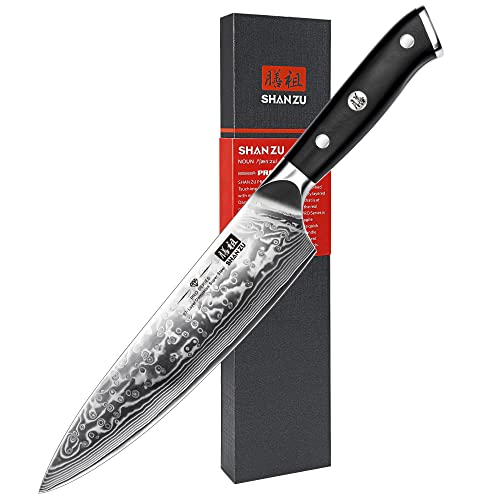
SHAN ZU 8-Inch Japanese Steel Damascus Chef Knife
Real Damascus at an entry price
First-time Japanese knife owners

Premium Pick
Shun Classic Blonde 8″ Kiritsuke Knife
Hand-finished Japanese craftsmanship
Cooks wanting an heirloom blade

Compact Choice
WÜSTHOF Gourmet 6″ Chef’s Knife, Black
Smaller blade for tight control
Compact kitchens and small hands

Performance Leader
Made In 8″ Japanese Damascus Steel Gyuto
Precision Gyuto with VG-10 core
Confident home cooks

Design Standout
Shun Premier 8″ Chef’s Knife
Hammered finish and refined shape
Slicing-heavy prep routines

Multi-Use Pick
SYOKAMI 7″ Cleaver Chef Knife with Herb Stripper
Versatile Asian-style cleaver shape
Big-batch meal preppers

Beginner Friendly
KEEMAKE 8″ Chef Knife with Ergonomic Handle
Easy-grip handle for long sessions
Comfort-first daily cooks

Family Friendly
Rachael Ray 3-Piece Japanese Stainless Steel Knife Set
Three knives in one set
Outfitting a whole kitchen
A Closer Look At Each Pick
The SHAN ZU 8-inch chef knife lands in that sweet spot where curious cooks can try genuine Damascus layering without committing to a four-figure price tag. The 10Cr15Mov core is hardened to roughly 62 HRC, which is a measure of how well steel holds its edge, and that hardness translates to longer stretches between honing sessions.
For weeknight meal prep, the eight-inch length handles butternut squash, whole chickens, and dense winter vegetables without feeling unwieldy. Compared to the WÜSTHOF Gourmet covered below, this knife carries a more dramatic look, while the trade-off shows up in weight balance for cooks used to Western knives.
The Good Stuff
- Authentic layered Damascus construction rather than etched patterning
- High 62 HRC core steel for extended edge retention
- Versatile eight-inch profile suited to most home cutting boards
- Reaches the budget tier without sacrificing the layered visual
Points To Keep In Mind
- Hard steel means a whetstone, not a pull-through sharpener, for best results
- Handle balance favors users comfortable with slightly blade-heavy knives
Feature Snapshot
Made For
Curious home cooks stepping into Japanese steel for the first time and wanting real Damascus construction at a friendly price.
Skip It When
The WÜSTHOF Gourmet 6″ Chef’s Knife suits smaller hands or tighter prep stations better.
The Shun Classic Blonde 8-inch Kiritsuke carries a reputation earned over decades as part of one of the first Japanese cutlery lines widely available in the United States. A kiritsuke is a hybrid blade that blends the straight edge of a sashimi knife with the curved belly of a gyuto, making it a versatile single-blade solution for cooks who want a master-of-all-trades approach.
That lighter blonde handle scales offer a different visual from the darker Shun variants, and the blade’s flat profile rewards confident push cuts through vegetables and proteins. It feels noticeably more refined than the SHAN ZU above, though the higher tier commands a matching investment.
What It Does Well
- Multi-purpose kiritsuke shape bridges slicing and rocking cuts
- Hand-finished construction rooted in traditional craftsmanship
- Distinctive blonde handle offers a lighter aesthetic
Trade Offs
- Sits well above the entry-level budget tier
- Demands regular honing and a careful hand to protect the fine edge
- Flat profile takes adjustment for cooks used to curved chef knives
Who Will Love This
Experienced home cooks who want an heirloom-quality blade and appreciate the multi-purpose kiritsuke profile.
Look Elsewhere When
The Made In 8″ Japanese Damascus Steel Gyuto delivers similar VG-10 sharpness at a more accessible spend.
The WÜSTHOF Gourmet 6-inch chef’s knife brings laser-cut precision into a smaller, more controlled package. The six-inch blade is a thoughtful match for cooks with limited counter space, narrower cutting boards, or hands that simply prefer a more compact profile. The synthetic polypropylene handle resists fading, heat, and impact, which matters in a hot, splash-prone kitchen.
Where the SHAN ZU leans into dramatic Damascus patterning, this WÜSTHOF takes a quieter minimalist approach with stamped construction that keeps weight low. That lighter feel is a real benefit during marathon prep sessions, even if the look stays understated.
What Earns Its Place
- Six-inch blade fits narrow boards and tight prep areas
- Tough polypropylene handle withstands daily dishwasher cycles
- Stamped construction keeps weight easy on the wrist
Room For Improvement
- Not forged, so it lacks the heft some cooks prefer for breaking down larger proteins
- Steel hardness sits below dedicated Japanese options like the KEEMAKE
Right Fit For
Cooks with small kitchens, compact cutting boards, or anyone who finds eight-inch blades unwieldy.
Not Your Match When
The KEEMAKE 8″ Chef Knife offers a longer blade and harder steel for cooks who want a true Japanese feel.
The Made In 8-inch Gyuto wraps 66 layers of Damascus steel around a VG-10 core, and that construction shows up in daily use. VG-10 holds a finer edge than most entry-level stainless, while the layered outer steel adds a touch of stain resistance around the harder center. A gyuto is the Japanese answer to the Western chef’s knife, with a slightly flatter edge that suits push cuts and a curved tip that still allows gentle rocking.
At roughly 7.25 ounces with a 15-degree edge, the knife sits on the lighter, sharper end of the lineup. The POM (polyoxymethylene) handle is grippy without feeling sticky, and the full-tang construction adds reassurance during heavier tasks.
Standout Benefits
- 66 Damascus layers wrap a high-carbon VG-10 cutting core
- 15-degree edge angle enables precise slicing work
- Full-tang build with comfortable POM handle for control
- Light 7.25 oz weight reduces fatigue during long prep
Things To Consider
- Higher-tier price point than the SHAN ZU or KEEMAKE
- Thin 2.3mm blade profile means avoiding lateral twists on hard produce
Quick Facts
Best Suited To
Confident home cooks who want a precise, lighter gyuto and don’t mind paying a bit more for refined performance.
A Better Fit Elsewhere
The SHAN ZU 8-Inch Damascus Chef Knife gives a similar look and feel at a more accessible price for first-time buyers.
The Shun Premier 8-inch chef’s knife brings a hand-hammered tsuchime finish to the table, a texture of small divots that reduces drag and helps food release from the blade more cleanly. The VG-MAX core steel is hardened for edge retention, and the layered Damascus exterior ties it back to traditional Japanese blade-making.
For cooks who do a lot of long, drawn slices through tomatoes, cucumbers, and roast meats, the flatter edge profile is a real asset. The hammered look is more than decorative, since the dimples actually break the surface tension that makes starchy vegetables cling to smooth blades.
What Stands Out
- Tsuchime hammered finish reduces sticking during slicing
- VG-MAX core holds a fine, lasting edge
- Flatter profile rewards long, even push cuts
Honest Caveats
- Sits in a premium price tier
- Hand-washing only to preserve the layered exterior and handle finish
- Handle shape may feel narrow to cooks with larger grips
Who Should Grab It
Slicing-focused cooks who want a refined blade with anti-stick performance and a striking visual finish.
Consider Something Else When
The WÜSTHOF Gourmet 6″ Chef’s Knife gives a more forgiving, lower-maintenance path for everyday chopping.
The SYOKAMI 7-inch cleaver borrows from Chinese, Japanese, and broader Asian traditions, merging the rocking comfort of a santoku with the straight push-cut of a nakiri, all in a tall, broad blade. The added height gives knuckle clearance when mincing large piles of herbs or breaking down cabbage, and a built-in herb stripper built into the handle or sheath simplifies rosemary and thyme prep.
For weekly meal preppers working through mountains of stir-fry vegetables, the broad blade scoops chopped food cleanly off the board. Compared to the slender profile of the Made In gyuto, this knife trades finesse for volume.
Key Advantages
- Tall blade profile offers knuckle clearance for tall cuts
- Included herb stripper simplifies fresh herb prep
- Broad blade scoops chopped ingredients off the board easily
A Few Limitations
- Cleaver shape takes adjustment for cooks trained on French-style blades
- Heavier feel during prolonged detail work
Perfect Match For
Big-batch meal preppers who want a versatile Asian-style blade and a useful herb accessory in the package.
Reach For A Different Pick When
The Shun Classic Blonde 8″ Kiritsuke suits cooks who want a more traditional Japanese profile and lighter handling.
The KEEMAKE 8-inch chef knife centers its identity around comfort. The 1.4116 high-carbon stainless steel lands at roughly 58 HRC, which is hard enough to hold an edge through family meal prep while staying friendly enough to sharpen without specialized stones. The ergonomic handle is the real headline feature, designed to reduce hand fatigue during longer sessions.
For anyone prepping a week of lunches, breaking down whole chickens, or pushing through butternut squash, the grippy handle makes a measurable difference. Where the Shun Premier leans into premium finishing, this knife prioritizes accessible everyday ergonomics.
What Works In Its Favor
- Ergonomic handle reduces fatigue during extended prep
- 58 HRC steel sharpens easily on standard whetstones
- Rust-resistant blade suits humid kitchens and busy cooks
Less-Strong Areas
- Steel hardness sits below the Made In VG-10 for edge retention
- Handle shape won’t appeal to cooks preferring traditional Japanese wa-handles
Built With In Mind
Everyday home cooks who want a comfortable, low-fuss Japanese-style blade that doesn’t demand specialized sharpening skills.
Where A Sibling Pick Shines
The SHAN ZU 8-Inch Damascus Chef Knife offers harder steel and real Damascus layering for cooks ready to step up.
The Rachael Ray 3-piece set covers the three knives a new kitchen actually needs: an 8-inch chef knife for the main event, a 5-inch santoku for controlled slicing, and a 3.5-inch paring knife for detail work. All three are made from Japanese stainless steel, and matching sheaths keep the drawer organized and fingers safe.
For outfitting a first apartment, a shared household, or a gift for a college-bound cook, the bundled approach is hard to beat. Compared to the single-blade focus of every other pick on this list, the value comes from covering common tasks at once.
Practical Pluses
- Three knives cover core prep tasks in one purchase
- Matching sheaths protect blades and drawers
- Rubberized grip handles stay secure with wet hands
Details To Watch
- Steel quality won’t match single-blade options like the Made In gyuto
- Handles run larger, which may feel bulky for cooks with smaller hands
Core Details
Whose Shelf It Belongs On
New cooks outfitting a first kitchen, shared households, or anyone who wants a matched set with safe storage.
Swap It Out When
The KEEMAKE 8″ Chef Knife is a stronger single-blade upgrade once you know which knife shape you prefer.
Picking A Budget Japanese Knife That Actually Fits Your Kitchen
Steel Type And Hardness
The single biggest factor in how a Japanese knife feels is its steel. Harder steels, measured in HRC, hold an edge longer but demand more care during sharpening. Entry-level options typically land around 56 to 58 HRC, while mid-range Damascus blades push toward 60 to 62. If you’re new to whetstones, the KEEMAKE or Rachael Ray options stay forgiving. Cooks ready to learn stone sharpening will appreciate the SHAN ZU or Made In.
Blade Shape And Length
An eight-inch chef’s knife, or gyuto, covers most home kitchens comfortably. A six-inch blade suits smaller boards, tighter counters, or cooks with smaller hands. The SYOKAMI cleaver trades finesse for knuckle clearance, while the Shun Kiritsuke blurs the line between slicing and rocking cuts. Your cutting board size and grip preference matter more than chasing the longest blade.
Handle Comfort And Weight
A knife you can’t hold comfortably won’t get used. The KEEMAKE leans into ergonomic grip, the WÜSTHOF uses a tough synthetic handle, and the Shun options favor traditional Japanese wa-handle styling. Lighter blades (the Made In at 7.25 oz) reduce fatigue during long sessions, while heavier options give more momentum through dense produce.
Maintenance Realities
Harder Japanese steels generally prefer hand-washing and prompt drying to prevent corrosion at the edge. Sets with sheaths, like the Rachael Ray, simplify storage. Stamped knives (WÜSTHOF Gourmet) tend to be more dishwasher-tolerant, though hand-washing still extends the life of any edge. Whetstone sharpening, learning curves aside, gives finer results than pull-through sharpeners on hard steel.
Key Considerations Across These Picks
Mistakes Worth Dodging
One common slip is buying the longest blade available without considering your cutting board. A ten-inch knife on a fourteen-inch board leaves no room for the tip to drop safely, and a chef’s knife that overhangs the board edge makes rocking cuts awkward. A second trap is chasing Damascus layering for the look alone. Etched and true Damascus differ widely in performance, and harder steel at the core matters more than the outer pattern. Finally, skipping a hone means even the best edge rolls and dulls faster than it should, especially on hard steel around 60 HRC.
Where The Extra Money Goes
Stepping up from a basic stamped knife to a forged Damascus piece buys you harder steel, thinner geometry, and better edge retention. You also pay for finishing details, fuller tang construction, and tighter quality control. The Shun Premier and Made In gyuto sit at that level. For cooks who prep daily or already know they love Japanese blades, the upgrade pays off in fewer sharpenings and cleaner cuts. For occasional cooks, the entry tier delivers most of the experience at a fraction of the spend.
Frequently Asked Questions
What HRC hardness should I look for in a budget Japanese knife?
Most cooks find 56 to 60 HRC the sweet spot. Steel in that range sharpens on standard whetstones and still holds a working edge through family meal prep. Above 60 HRC, edge retention improves, but sharpening gets more demanding.
Are Damascus-layered blades worth the extra cost?
Damascus layering adds corrosion resistance around a harder core steel and gives the blade its flowing pattern. The performance benefit is real but modest for casual cooks. For daily meal preppers, the visual and slight functional bump often justify the spend.
How often should I sharpen a Japanese chef knife?
With regular hone use, most home cooks can sharpen every two to three months. Harder steels stretch that interval, while softer entry-level stainless may need attention every four to six weeks. Touch-ups on a 1000-grit whetstone keep the edge aligned between full sharpenings.
Can I put these knives in the dishwasher?
Hand-washing is strongly recommended across the board. Dishwasher heat, detergent, and contact with other items dull edges quickly and can damage wooden or layered handles. A quick rinse and dry after use preserves both edge and finish.
What’s the difference between a gyuto and a santoku?
A gyuto is the Japanese answer to the Western chef’s knife, with a curved edge that supports both push cuts and gentle rocking. A santoku has a flatter edge and shorter blade, optimized for straight down-and-forward cuts. Gyutos tend to feel more versatile; santokus reward simple, repetitive prep.
Bottom Line
The best budget Japanese knife is the one that matches your hand, your board, and the kind of cooking you actually do. For a first step into real Damascus at a friendly price, the SHAN ZU is a smart start. For an everyday workhorse that won’t punish tired hands, the KEEMAKE delivers comfort. And if you’re outfitting a whole kitchen, the Rachael Ray set covers the basics in one box. Pick the one that fits your routine, and the rest follows.
