
Book Appointment Now

8 Best Budget Chef Knives for 2026

A good chef’s knife changes the way you cook. The right one makes onion dice fall in clean cubes, slices tomatoes without crushing them, and rocks through a pile of herbs in seconds. The wrong one frustrates you within a week, and that’s true whether you spend thirty dollars or three hundred.
You don’t need a flagship to get a daily driver that holds an edge. This list rounds up eight well-regarded chef’s knives across a range of price points, all chosen for the way they actually perform in a home kitchen rather than the story on the box. The picks lean toward familiar names and workhorse designs, with a few interesting shapes mixed in for cooks who like a different feel in hand.
The Essentials At A Glance
PickWhy We Picked ItBest ForAction

Refined Pick
ZWILLING Four Star 6-inch Chef’s Knife
Time-tested German design
Daily home cooks
Budget Friendly
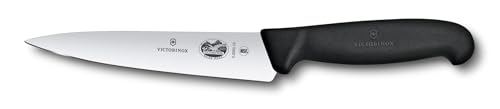
Victorinox Fibrox 6″ Chef’s Knife
Textured grip, light build
Beginners and students
Heavy Duty Pick
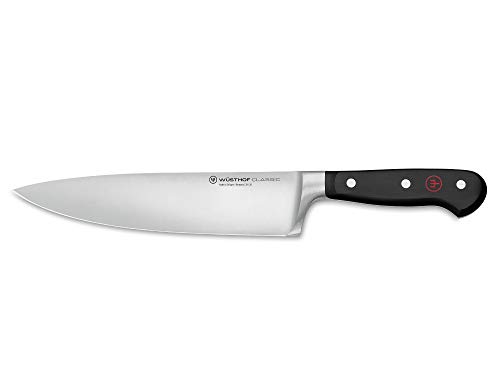
WÜSTHOF Classic 8″ Chef’s Knife
Full-size workhorse build
All-day prep cooks
Compact Choice
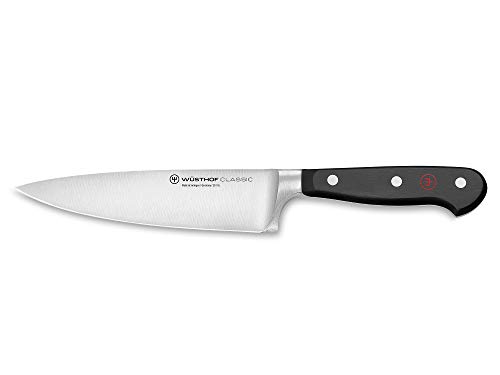
WÜSTHOF Classic 6″ Chef’s Knife
Smaller footprint, same line
Small hand and tight kitchens

Low-Fuss Pick
Victorinox Fibrox Pro 8″ Chef’s Knife
Dishwasher safe, easy care
Busy weeknight cooks
Design Standout
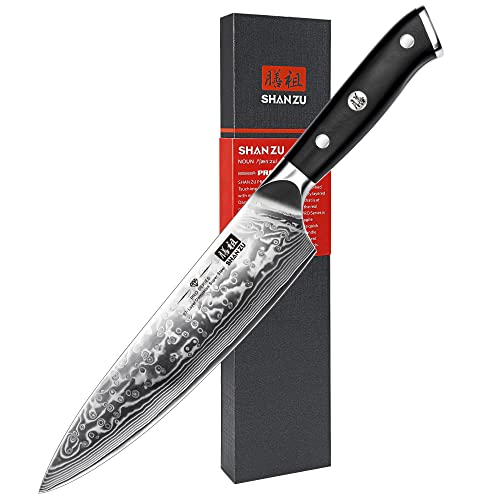
SHAN ZU 8″ Damascus Chef Knife
Damascus look, hard core
Style-conscious home cooks

Multi-Use Pick
Babish 7.5″ Clef Hybrid Knife
Chef-cleaver hybrid shape
Versatile prep and portioning

Performance Leader
Made In 8″ Damascus Gyuto Chef Knife
Layered Damascus with VG-10 core
Serious home enthusiasts
The Details Behind The Selections
The Four Star is one of those knives that has earned its reputation through decades of kitchen service, and a 6-inch blade length suits cooks who want control over raw power. The seamless bolster (the thick metal collar where the blade meets the handle) flows into a contoured polymer handle that feels balanced during long prep sessions.
For home cooks moving up from a starter set, this knife reads as a serious tool without being intimidating. A 6-inch profile handles most dinner prep easily, from breaking down a chicken to mincing herbs, while staying nimble enough for detail work. The trade-off is reach: a large squash or a wide sheet pan of roasted vegetables may call for a longer blade.
Where It Excels
- Classic German geometry (the curved belly and tall blade typical of Solingen-style knives) handles rocking cuts and slicing with equal ease
- Full bolster adds knuckle clearance and a secure grip during heavy chopping
- Stainless steel construction makes daily wipe-downs the only real maintenance
- Smaller 6-inch size reduces fatigue for cooks with smaller hands
- Hand finishing at the factory tends to leave the edge sharper out of the box than many budget alternatives
Trade Offs
- Sits above many entry-level options, so it stretches the meaning of “budget” depending on your reference point
- Hand washing is the safer long-term care, since the bolster area can trap water against the handle
Made For
Home cooks who cook several nights a week and want one trusted knife that feels good in the hand, plus anyone stepping up from a basic block set.
A Better Fit Elsewhere
Shoppers on a tighter budget get more value from the Victorinox Fibrox 6″ Chef’s Knife, which trades some refinement for a friendlier price tag.
Few knives have done more to demystify good cooking than the Victorinox Fibrox. The textured fiberglass handle stays grippy even when wet, and the thin stamped blade (cut from a sheet of steel rather than forged from a solid bar) slides through tomatoes and onions with a precision that punches well above the price.
Cooking students, first-apartment cooks, and anyone who wants a knife that disappears in the hand will appreciate the light weight. Compared with the ZWILLING Four Star, this knife feels utilitarian rather than crafted, and that is the point. You get a tool that works, without paying for the polish of a forged German line.
What Makes Sense
- Non-slip Fibrox handle is genuinely useful for wet or greasy prep
- Thin straight edge (a blade ground flat rather than curved, which favors push cuts over rocking) gives clean slices on produce
- Lightweight build reduces wrist strain during longer sessions
- Among the most affordable chef’s knives that still feel like a real tool
Worth Noting
- The handle is comfortable but plain, and it does not have the visual or tactile warmth of a riveted wooden grip
- Edge retention tends to fall short of harder forged steels, so a quick hone or light touch-up every few weeks helps
- Hand washing is recommended even though the handle itself tolerates water easily
Feature Snapshot
Right Fit For
Beginners, culinary students, and anyone furnishing a first kitchen who wants a reliable knife that forgives a busy week.
Skip It When
You cook for a crowd every night and want a heavier blade with more knuckle clearance, in which case the WÜSTHOF Classic 8″ Chef’s Knife is a stronger match.
WÜSTHOF’s Classic line is the kind of knife that ends up in a serious home cook’s drawer for a decade and still gets regular use. The 8-inch blade is the size most recipes assume when they say “chef’s knife,” and the full-tang, triple-riveted build gives it the kind of planted feel that heavier prep tasks demand.
Where the lighter Victorinox Fibrox feels nimble, this WÜSTHOF feels grounded. You feel the knife do the work on a butternut squash or a stack of root vegetables, and the bolster protects your knuckles as you cut. It is a clear step up in cost, so this pick suits cooks who already know they want a long-blade workhorse.
Where It Delivers
- Full-tang construction (the steel runs the full length of the handle) gives the knife a planted, confident feel during heavy cuts
- 8-inch blade covers most recipe instructions without needing to swap tools
- Triple-riveted handle is durable and balanced for most hand sizes
- Precision-forged steel in Solingen tends to hold a working edge well between sharpenings
Honest Caveats
- Heavier than stamped alternatives, which can wear on smaller hands during long sessions
- Reaches into premium territory, so it may stretch a strict budget
Who Should Grab It
Cooks who prep meals for a family several nights a week and want one main knife that handles almost any ingredient.
Consider Something Else When
You mostly cook for one or two people and want something lighter, in which case the WÜSTHOF Classic 6″ Chef’s Knife is the same line in a smaller size.
The 6-inch version of the WÜSTHOF Classic takes the same forged build and trims it down for cooks who find an 8-inch blade unwieldy. The result is a knife that fits smaller hands, tight galley kitchens, and meal prep for one or two people without giving up the planted feel of the larger model.
Compared with the ZWILLING Four Star 6-inch, this WÜSTHOF reads a touch stiffer in the blade and a touch heavier in the handle. That makes it feel reassuring on dense vegetables, though the lighter ZWILLING has its own appeal for long sessions. Either works as a daily driver; the right pick is the one that feels right in your grip.
Useful Highlights
- Same forged construction and full tang as the larger Classic, just sized down
- 6-inch blade is easier to control for cooks with smaller hands or narrower cutting boards
- Triple-riveted handle stays solid through years of regular use
Points To Note
- Smaller blade means more cuts per onion or per bunch of herbs, which slows down large-batch prep
- Still priced like a premium knife, so the savings over the 8-inch version are modest
Best Suited To
Cooks with smaller hands, apartment kitchens, and anyone who preps modest portions most nights.
Reach For A Different Pick When
You regularly break down large produce or big cuts of meat, in which case the WÜSTHOF Classic 8″ Chef’s Knife makes more sense.
The 8-inch Fibrox Pro steps up from the original 6-inch with a longer blade and the same no-nonsense Fibrox handle that has made this line a staple in culinary schools. It is the knife you reach for when the prep list is long and you do not want to think about the knife while you cook.
For cooks who like the feel of a stamped blade but want a longer reach than the 6-inch version offers, this is the natural next step. The dishwasher-safe construction is a real convenience, though owners who want the longest possible edge life still tend to hand wash and dry.
What It Does Well
- Longer 8-inch blade handles bigger produce and sheet-pan prep without extra passes
- Non-slip Fibrox handle keeps its grip when your hands are wet or oily
- Lightweight stamped construction is easy on the wrist during multi-course prep
- Tolerates the dishwasher better than most, though hand washing is still the safer habit
Practical Considerations
- Stamped steel does not hold an edge as long as harder forged alternatives, so plan on regular honing
- The handle is functional rather than refined, which may matter if you care about the look of your tools on the counter
Feature Snapshot
Whose Shelf It Belongs On
Busy weeknight cooks and parents who want a forgiving knife that handles long prep without fuss.
Swap It Out When
You want a heavier, more anchored feel for dense ingredients, in which case the WÜSTHOF Classic 8″ Chef’s Knife is the next step up.
The SHAN ZU brings a layered Damascus look and a Japanese-inspired 10Cr15MoV core (a stainless steel alloyed with chromium for hardness and corrosion resistance) to a price point that usually buys a plain Western blade. The 8-inch profile and tall flat edge lean toward push cuts and paper-thin slicing, which is a different rhythm than a curved German belly.
For cooks who already know they prefer the feel of a gyuto-style blade (a Japanese chef’s knife, generally thinner and harder than a German equivalent), this is an accessible way to try that geometry. The trade-off is that harder steel is less forgiving, and the thin edge benefits from a wooden or composite board rather than glass.
The Helpful Details
- Layered Damascus exterior (multiple steel sheets forge-welded and folded to create a patterned, corrosion-resistant outer layer) gives the blade visual depth on the counter or in a block
- Hardened steel core holds a sharp working edge through extended prep
- 8-inch length suits cooks who want a long, flat edge for slicing and push cuts
- Lower entry price than many Western-made Damascus knives
Things To Consider
- Harder steel is more brittle, so twisting against bone or frozen food can chip the edge
- Damascas-pattern blades benefit from hand washing and drying to keep the layered steel looking its best
- Brand history and long-term support are harder to gauge than for older German or Swiss names
Feature Snapshot
Who Will Love This
Style-conscious home cooks who like a Japanese profile and want a Damascus look without paying flagship prices.
Look Elsewhere When
You want a softer, more forgiving edge for casual prep, in which case the Victorinox Fibrox Pro 8″ Chef’s Knife is an easier everyday option.
The Clef is part chef’s knife and part cleaver, and that hybrid shape is more useful than it sounds. The tall, flat blade gives you plenty of knuckle clearance and a wide surface for scooping up chopped onions or transferring cut meat from board to pan in a single sweep.
This is the pick for cooks who like the rhythm of a Chinese cleaver but want something lighter and more versatile. The 1.4116 German steel sits in a familiar hardness range, and the handle is shaped to keep your grip secure during heavier cuts. Compared with a classic WÜSTHOF, the Clef feels more like a multi-tool than a precision instrument.
Practical Pluses
- Hybrid shape handles chopping, slicing, and portioning in a single tool
- Wide blade doubles as a transfer surface for chopped ingredients
- 1.4116 stainless steel is forgiving, easy to sharpen, and resistant to corrosion
- 7.5-inch length splits the difference between nimble and full-size
Some Limits To Know
- Cleaver-style blade is heavier at the front, which can feel unwieldy for fine detail cuts
- Not a swap-in replacement for a curved-edge rocker if you prefer a classic rocking motion
Built With In Mind
Home cooks who prep a mix of vegetables, meat, and bulk ingredients and want one knife that can handle all three.
Where A Sibling Pick Shines
You mostly do fine slicing and mincing on a smaller board, in which case the Victorinox Fibrox 6″ Chef’s Knife is a more traditional fit.
The Made In Gyuto sits at the enthusiast end of this list, with 66 layers of Damascus steel wrapped around a VG-10 core (a Japanese stainless with a good balance of edge retention and corrosion resistance) and a slim 15-degree edge. That geometry is what makes the knife glide through tomatoes and break down proteins cleanly, and the full-tang POM handle (a dense, food-safe plastic that stays stable in the hand) keeps the balance neutral.
For cooks who already know they want a Japanese-style knife and are willing to invest a bit more, this is a confident choice. The thin blade rewards careful technique, so a softer cutting board and a steady hand will get the most out of it.
What Works In Its Favor
- VG-10 core holds a sharp edge longer than most stainless steels at this price
- Layered Damascus exterior adds corrosion resistance and a refined look
- 15-degree edge is sharper out of the box than typical 20-degree Western knives
- Crafted in Japan, which carries weight for cooks who care about the origin of their tools
Details To Watch
- Thinner edge is more prone to chipping if it meets bone, frozen food, or a hard board
- Hand wash and dry only, since the layered exterior benefits from gentle care
Feature Snapshot
Perfect Match For
Serious home enthusiasts who want a Japanese-style gyuto and are willing to care for a thinner, harder blade.
Not Your Match When
You want a low-maintenance daily driver, in which case the Victorinox Fibrox Pro 8″ Chef’s Knife is a more forgiving everyday tool.
What To Weigh Before Picking A Budget Chef Knife
Blade Size And The Way You Cook
A 6-inch blade gives you control and fits narrow boards, while an 8-inch blade gives you reach and the surface area to transfer chopped food. Most home cooks land on 6 or 8 inches and never look back, so the right size comes down to your hand and your cutting board more than any rule.
Steel, Weight, And How Often You Want To Sharpen
Harder steels hold an edge longer but are more brittle, and softer steels are easier to live with day to day. If you do not want to think about your knife between uses, a German stainless like the WÜSTHOF or Victorinox lines is a calm choice. A harder Japanese core is rewarding if you are willing to respect it.
Handle Feel And Grip Security
The handle matters as much as the blade, because that is what your hand actually touches. A textured Fibrox grip stays secure when wet, while a riveted polymer or POM handle feels more anchored. The honest test is how the knife feels after ten minutes of prep, not the first ten seconds.
Construction Style: Forged Versus Stamped
Forged knives (shaped from a single heated bar of steel) are heavier, more durable, and often more expensive, while stamped knives (cut from a sheet of steel) are lighter, thinner, and usually friendlier on the budget. Neither is a win on its own; the right pick is the one that matches the way you cook and the weight you want in your hand.
Smart Notes Before You Commit
Common Buying Traps
Going by looks alone is a familiar mistake, since a glossy Damascus exterior can hide a soft core. Match the knife to the way you actually cook, and do not pay for a pattern you will not benefit from.
What The Higher Tier Buys
Spending more tends to buy a harder steel, a thinner edge, and a handle shaped with more attention to balance. For cooks who prep every night, those gains are real. For occasional cooks, a mid-tier workhorse delivers most of the value without the upkeep.
Frequently Asked Questions
What size chef’s knife should most home cooks get?
A 6-inch or 8-inch blade covers the vast majority of home prep. Smaller hands and narrow boards favor 6 inches, while larger hands and bigger produce favor 8 inches. Both work; the right size is the one that feels controlled in your grip.
How often should a chef’s knife be sharpened?
For most home cooks, a light honing (running the blade along a honing rod to realign the edge) every couple of uses and a proper sharpening (grinding a fresh edge on a whetstone or electric sharpener) once or twice a year keeps the knife working well. Harder steels can stretch the sharpening interval, but no knife stays sharp forever.
Is a stamped knife as good as a forged knife?
A stamped knife can absolutely be a great daily tool, and many professional kitchens rely on them. Forged knives tend to feel heavier and more anchored, while stamped knives are lighter and often more affordable. The right choice depends on weight preference and budget, not a hard quality rule.
Can a budget chef’s knife handle meat and bones?
Most chef’s knives in this list are designed for slicing, dicing, and chopping meat, not for cutting through thick bone. A boning knife or cleaver is a better tool for that job, and using a chef’s knife on bone is the fastest way to chip or roll its edge.
What cutting board is safest for a chef’s knife?
Wood or composite boards are the kindest surface for any chef’s knife edge. Glass, stone, and very hard acrylic boards wear the edge down quickly and can chip harder Japanese-style blades, so they are worth avoiding if you want the edge to last.
Wrap Up
The right chef’s knife is the one that makes you want to cook more often, and that is more about feel than specs. Start with the size and weight that match your hand, then pick the steel and price that fit your routine. A good knife, kept reasonably sharp, will outlast several rounds of small appliances, and that is the kind of upgrade a home kitchen can actually feel.
