
Book Appointment Now

8 Best Bread Knives for 2026: Slicing Made Simple

A good bread knife quietly does its job every morning, gliding through sourdough, bagels, and soft sandwich loaves without crushing a crumb. The wrong one tears crusts into rubble and leaves you with ragged, half-sliced muffins. For home cooks who bake, toast, or just love a clean slice, the right serrated blade turns a small daily task into something that feels effortless.
The Main Contenders
PickWhy We Picked ItBest ForAction

Refined Pick
Cangshan S1 Series 59700 German Steel Forged Bread Knife, 8-Inch
Refined German steel build
Daily home bakers

Premium Pick
Wusthof Classic Series 9-Inch Bread Knife
Long-reigning double-serrated design
Crusty artisan loaves
Built To Last
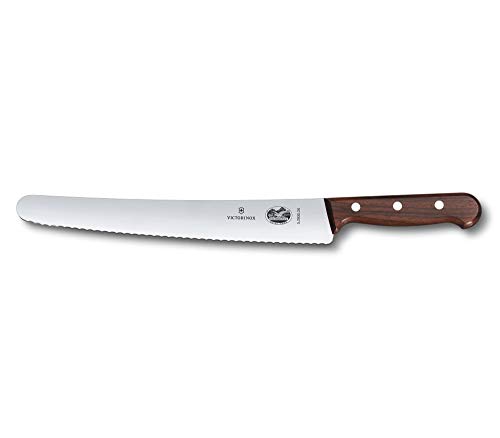
Victorinox Forschner Bread Knife with Rosewood Handle
Lightweight 10-inch reach
Large round loaves

Design Standout
Made In 9-Inch Bread Knife with Harbour Blue Handle
French-forged full tang build
Style-forward home kitchens

Performance Leader
HOSHANHO 10-Inch Japanese Bread Knife for Sourdough
High-carbon Japanese steel
Home sourdough bakers

Practical Pick
Piklohas Resharpenable 10-Inch Bread Knife
Patented resharpenable edge
Long-term value seekers

Entertaining Pick
Piklohas Steak Knives Set of 8 with Drawer Organizer
8-knife set with built-in sharpener
Dinner party hosts
Helper Pick
Piklohas Bread Slicer with Bread Knife, 4 Thickness Settings
Adjustable wooden slicing guide
Even-slice home bakers
A Breakdown Of The Leading Choices
Cangshan’s S1 series is a workhorse 8-inch blade that has earned a quiet following among home cooks who want restaurant-style construction without a chef’s budget. The full-tang build runs the steel straight through a 5.5-inch handle, so the knife feels planted in your hand rather than tip-heavy. Compared to the longer Wusthof reviewed below, this one trades reach for control, which matters when you are working through a tight boule on a small cutting board.
The scalloped serrations glide through crusty sourdough and soft brioche in the same stroke. You can expect clean, low-crumb slices on a country loaf and neat portions on a pull-apart loaf without dragging the interior out of shape.
Reasons It Performs
- Forged X50CrMoV15 German steel holds an edge through regular home use
- Full-tang construction gives the knife a planted, controlled feel in the hand
- 8-inch blade handles standard bakery loaves and bagels with no awkward overhang
- 16-degree edge angle per side stays sharp enough for paper-thin tomato slices in a pinch
- Compact size stores easily in standard 8-slot knife blocks and most drawer organizers
Things To Consider
- Hand-wash only to protect the heat-treated edge, which adds a small step to cleanup
- 8 inches feels short for very large round boules, where a longer blade saves you a reposition
Key Specs
Whose Shelf It Belongs On
Home bakers who want a refined, properly balanced 8-inch blade for everyday sandwich loaves, bagels, and weekend sourdough.
Skip It When
You regularly slice through large 10-inch round boules and would rather have the Wusthof Classic Series 9-Inch Bread Knife’s extra reach.
The Wusthof Classic 9-inch is the kind of bread knife that gets handed down rather than replaced. Its double-serrated edge uses deeper scallops with recessed teeth that never quite touch the board, which means the blade lasts longer and slices cleaner. If the Cangshan above is your compact daily tool, this Wusthof is the longer, heavier cousin built for the kind of crusty miche that punishes a thin blade.
It anchors the cut, the bread does not skid, and the long strokes feel almost therapeutic. The triple-riveted synthetic handle shrugs off kitchen heat and the inevitable rinse, which is why it has held its place in many home setups for years.
What Earns Its Place
- Double-serrated teeth stay sharper longer than standard scalloped edges
- Recessed scallop design keeps the working teeth off the cutting board
- 9-inch blade handles wide miche and tall country loaves in a single pass
- Triple-riveted polypropylene handle resists heat, fading, and dishwasher abuse
Points To Keep In Mind
- Wusthof recommends hand-washing only, which is a small trade-off for edge longevity
- 9 inches is a long blade for cramped galley kitchens with narrow prep space
- Premium construction shows up in cost, so it suits cooks who plan to keep it for the long haul
Who It Suits Best
Home bakers and dinner hosts who regularly tackle wide, crusty boules and want a long-serving blade that gets better with age.
Consider Something Else When
You mostly slice sandwich loaves and prefer a lighter, shorter knife, in which case the Cangshan S1 Series 59700 8-Inch is easier to live with.
Victorinox’s Forschner line has long been the secret handshake of pastry cooks and bakery pros. This 10.25-inch version pairs a slim wavy edge with a warm rosewood handle that softens the knife’s utilitarian roots. Compared to the Wusthof above, the blade is noticeably lighter, which makes long slicing sessions less tiring on the wrist.
Where it really sings is on soft breads and layered pastries, where the thin profile glides through without dragging the layers apart. A fluffy cinnamon roll or a tender country loaf comes apart in clean, even slices with barely any pressure on the handle.
Useful Strengths
- Long 10-inch blade tackles wide sandwich loaves and round country breads in one stroke
- Lightweight build reduces wrist fatigue during multi-loaf prep days
- Wavy edge cuts cleanly through soft pastries and tender crumb structures
- Rosewood handle adds warmth and visual character to a working kitchen
Honest Caveats
- Longer blade needs a wider cutting board to feel safe and stable
- Rosewood handle benefits from a quick dry after washing to keep the wood looking its best
Made For
Pastry-leaning bakers and anyone who regularly slices soft layered breads and large round loaves with minimal wrist strain.
A Better Fit Elsewhere
You mostly slice small artisan loaves and prefer a more compact build, in which case the Made In 9-Inch Bread Knife with Harbour Blue Handle fits more kitchens.
Made In’s bread knife is forged in France from a single rod of nitrogen-treated X50CrMoV15 stainless steel, which gives it the kind of heft you usually only see in a chef’s knife. The Harbour Blue resin handle is the visual signature: a deep, glossy color that looks at home on a countertop or a magnetic strip. Compared to the Victorinox above, the build is denser and more centered in the hand.
It cuts with authority. The serrated edge moves through a chewy ciabatta without folding the crust, and a thick pan loaf comes out in even, square slices that are perfect for grilled cheese. You feel the steel doing the work, so the cutting stroke stays short and easy to control.
Where It Excels
- Full-tang forged construction gives a stable, balanced feel on long cuts
- Nitrogen-treated blade resists corrosion in humid kitchen environments
- Harbour Blue handle adds a clear, design-forward accent to a knife strip
- 9-inch length handles tall loaves and wide sandwich bread with a single stroke
Small Caveats
- Heavier than lightweight picks, which may tire smaller hands during extended prep
- Premium build typically shows up in cost, so it favors cooks investing in a long-term block
Feature Snapshot
Right Fit For
Design-conscious home cooks building a coordinated knife block who want a French-forged bread knife with real heft.
Look Elsewhere When
You want a lighter, lower-cost option for everyday sandwiches, in which case the Piklohas Resharpenable 10-Inch Bread Knife is a friendlier pick.
HOSHANHO’s 10-inch bread knife brings Japanese high-carbon steel thinking to a category usually dominated by Western brands. The blade is forged from 10Cr15CoMoV steel and run through a precision heat treatment, so it is hard without being brittle. Stack it next to the Wusthof above and the difference shows up in the slice: the HOSHANHO wants to move in long, smooth strokes.
It earns its keep on a fresh sourdough boule, where the serrations catch the crust and the long blade lets you finish the cut without lifting. A tall sandwich loaf, a seeded batard, even a dense fruit loaf all come out in clean, even pieces that hold their shape on the board.
The Case For It
- 10Cr15CoMoV high-carbon steel holds a long-lasting, fine cutting edge
- 10-inch blade covers wide boules and tall loaves in one continuous cut
- Precision heat treatment balances hardness with chip resistance
- Long serrations glide through crusty sourdough without flattening the crumb
Where It Is Less Suited
- High-carbon steel benefits from prompt drying after washing to prevent any surface marking
- 10 inches of blade can feel unwieldy on a small apartment cutting board
Best Suited To
Active home sourdough bakers who slice fresh loaves weekly and want a long, hard blade that cuts cleanly through thick crusts.
Reach For A Different Pick When
You prefer a shorter, lighter, more design-forward knife for everyday sandwich prep, where the Cangshan S1 Series 59700 8-Inch fits better.
Piklohas takes a quietly clever approach to the bread knife problem: the serrations are designed to be resharpened with a standard honing rod, which most serrated blades cannot do. The result is a 10-inch knife that can keep working in a home kitchen for years without a trip to a professional sharpener. Where the HOSHANHO above leans into high-carbon performance, this Piklohas leans into long-term practicality.
On the cutting board, it handles the daily mix well. Crusty sourdough, soft sandwich bread, bagels, and even tomatoes all fall to the same long blade, which makes it a versatile pick for small kitchens that cannot afford to specialize.
Standout Benefits
- Resharpenable serrations extend the knife’s working life at home
- 10-inch length covers most home loaves in a single pass
- Serrated edge handles sourdough, bagels, and softer sandwich loaves in one tool
- Useful for slicing tomatoes and other produce when a chef’s knife is dirty
Things To Weigh
- Resharpening serrations by hand has a learning curve for first-time users
- 10-inch blade still needs reasonable cutting board space to feel safe
Who Will Love This
Practical home cooks who want a long, versatile bread knife that can be refreshed at home instead of replaced.
Where A Sibling Pick Shines
You want a coordinated table set alongside your bread knife, in which case the Piklohas Steak Knives Set of 8 with Drawer Organizer is a better match.
This set steps away from the bread-knife category a little, and that is the point. Eight serrated table knives with a drawer-friendly organizer and a built-in sharpener turn the messy end of a dinner party into something that quietly takes care of itself. After testing the Piklohas resharpenable 10-inch above, the same sharpening idea shows up here in tabletop form.
On the table, the blades glide through a ribeye without sawing, and a roast chicken parts cleanly. When the plates are cleared, you drop the knives into the organizer, run the sharpener across them, and they are ready for the next dinner.
Noteworthy Benefits
- Set of 8 covers typical dinner party seating without shorting anyone
- Built-in sharpener in the organizer keeps edges fresh between uses
- Dual-purpose organizer has storage slots and drying slots in one block
- Serrated blades handle steak, roast, and crusty bread at the table
Practical Considerations
- Organizer adds a fixed footprint in a drawer or on a counter, which matters in tight kitchens
- Eight matching knives are more tableware than a small household needs day to day
Perfect Match For
Dinner-party hosts and family cooks who want a coordinated, low-maintenance steak set that lives in one organized place.
Swap It Out When
You mostly bake and want a knife designed for slicing fresh loaves, where the HOSHANHO 10-Inch Japanese Bread Knife for Sourdough is more useful.
Piklohas closes out the list with a different idea entirely: a wooden bread slicer that ships with its own bread knife. The slicer offers four thickness settings, so you can move from thin sandwich slices to thick Texas-style cuts with the same loaf. After the Piklohas steak set above, this is the brand leaning into the home-baking side of the table.
On the counter, the wooden frame stays put while the knife moves through the guides, which removes the wobble that comes with hand-slicing. Pull-apart loaves, sandwich loaves, and small batards all come out uniform, which matters when you are prepping for a brunch or packing lunches for the week.
Notable Upsides
- Four thickness settings cover thin, standard, thick, and extra-thick slices
- Wooden frame adds weight to keep the slicer stable during cutting
- Patented horizontal design needs no installation and works straight from the box
- Pairing slicer and knife in one set takes the guesswork out of matching
Room For Improvement
- Wooden frame needs hand-wiping rather than running under the faucet
- Fixed footprint works best in a kitchen with dedicated counter or pantry space
Who Should Grab It
Home bakers who want consistent, even slices from sandwich loaf to Texas toast without eyeballing each cut.
Not Your Match When
You mainly slice rustic round boules and want freehand control, where the Victorinox Forschner Bread Knife with Rosewood Handle is a better fit.
What Matters Most Before Choosing Bread Knives
Match Blade Length To Your Loaves
Most home bread knives fall between 8 and 10 inches, and the right size depends on what you actually bake. An 8-inch blade handles sandwich loaves, bagels, and small boules without overhang, which keeps the cut controlled on a small board. A 9- or 10-inch blade covers wide country loaves and tall pan breads in a single stroke, which matters if you regularly bake for a family or batch-prep sandwiches for the week.
Choose The Right Steel For Your Habits
Stainless steel forgings, like the X50CrMoV15 used in the Cangshan and Made In picks, balance edge retention with low maintenance. High-carbon Japanese steels, like the 10Cr15CoMoV in the HOSHANHO, hold a finer edge but benefit from prompt drying after washing. If you want a knife you can refresh at home rather than replace, the Piklohas resharpenable design uses a serration pattern that responds to a standard honing rod.
Look At Handle Feel And Balance
A full-tang knife (where the blade steel runs continuously through the handle) feels planted and predictable in the hand, which helps on long slicing strokes. Resin and synthetic handles like Wusthof’s triple-riveted polypropylene tolerate dishwashing and kitchen heat without fading. Wood handles like the Victorinox rosewood look beautiful and feel warm, but appreciate a quick towel-dry after washing to keep their finish.
Serration Style Changes The Cut
Standard scalloped serrations work well for everyday bread and bagels. Double-serrated edges, like the Wusthof Classic, last longer between sharpenings because the recessed teeth avoid contact with the cutting board. Wavy edges, like the Victorinox Forschner, glide through soft pastries and tender crumb without dragging, which matters for brioche and cinnamon rolls.
Key Considerations Across These Picks
Where Shoppers Go Wrong
The most common slip is choosing by blade length alone, without checking handle fit. A 10-inch blade on a handle that fights your grip will feel unwieldy, while an 8-inch blade with a balanced full-tang build can outperform a longer knife in a tight kitchen. Another trap is assuming all serrated knives are similar: edge geometry, tooth depth, and steel type change the feel of every cut. Test the grip on similar knives in a store when you can, and check return terms when you cannot.
When Paying More Pays Off
Higher-tier bread knives usually cost more because of full-tang forging, premium steel, and tighter quality control, and the difference shows up over years rather than days. A forged blade like the Made In 9-Inch stays balanced through thousands of slices, while a stamped blade can loosen at the handle over time. The upgrade is worth it for cooks who bake weekly and want a single knife to outlast several cheaper replacements, while occasional sandwich slicers can stay happily with a more modest pick.
Frequently Asked Questions
How Often Should A Bread Knife Be Sharpened?
A well-made serrated bread knife typically goes a year or more between sharpenings under normal home use, since the teeth only contact the bread, not the board. Resharpenable designs like the Piklohas can be refreshed sooner with a honing rod, while double-serrated blades like the Wusthof Classic stretch that interval further.
Can A Bread Knife Handle More Than Just Bread?
Yes. The long serrated edge handles crusty bread, soft sandwich loaves, tomatoes, citrus, and even a layered cake. Many home cooks use their bread knife as a backup slicer when the chef’s knife is busy with something else.
Is An 8-Inch Or 10-Inch Bread Knife Better For Home Use?
It depends on the loaves you bake. An 8-inch blade stays controlled on small boards and standard sandwich loaves, while a 10-inch blade covers wide boules and tall country breads in one stroke. Most home cooks do well with a 9-inch middle ground.
How Do You Clean A Serrated Knife Safely?
Hand-wash in warm soapy water with the blade pointed away from you, then towel-dry along the teeth so moisture does not sit in the serrations. Dishwasher cycles are rough on edges and wood handles, and most makers recommend hand-washing for that reason.
What Is Full Tang And Why Does It Matter?
A full-tang knife is built so the blade steel runs continuously through the entire handle, which makes the knife stronger, better balanced, and less likely to loosen at the joint over time. It tends to cost more, but the upgrade pays off if you use the knife often.
Closing Remarks
A reliable bread knife earns its place quietly, sitting in a drawer or on a magnetic strip until the morning toast, the weekend sourdough, or the holiday sandwich tray calls it into action. Match the blade to the loaves you bake most, choose a handle and steel that fit your habits, and the rest takes care of itself. Any of the eight picks above can anchor a thoughtful kitchen for years.
