
Book Appointment Now

8 Best Boning Knives for BBQ for 2026

Pulling meat off a brisket or stripping silver skin from a pork shoulder is the kind of work that rewards a properly designed blade. A general chef’s knife makes do, but it leaves ragged edges and tired hands. A dedicated boning knife flexes around bone, follows the seam of fat, and keeps the meat looking like something you’d actually want to plate.
The eight options below span everything from showpiece Viking-inspired designs to workhorse German and Japanese blades. Some lean toward weekend grillers, others toward pitmasters who process whole animals. A few were built for portability, others for a kitchen drawer. Pick the one that matches the volume and style of your cookout prep, and the rest of the afternoon gets a lot easier.
A Snapshot Of The Selections
PickWhy We Picked ItBest ForAction

Design Standout
ROCOCO 8″ Boning Knife and Feather Viking Knife Set
Conversation-piece styling and heft
BBQ hosts wanting visual flair

Professional Pick
Henckels Professional S 5.5″ Boning Knife
Pro-grade German construction
Restaurant-style trim work

Refined Pick
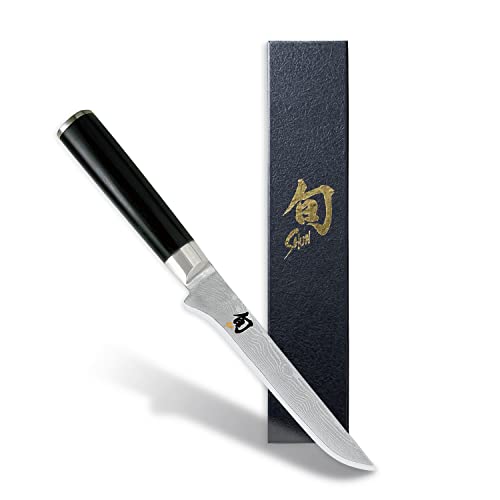
Shun Classic 6″ Boning & Fillet Knife
Damascus-clad precision
Detail work on small cuts

Built To Last
CUTCO Model 1761 6.1″ Boning Knife
Long-term American build
Households wanting one-for-life gear

Balanced Choice
Wüsthof Classic IKON 5″ Boning Knife, Black
Forged ergonomics and balance
Outdoor Ready
Huusk Boning & Fillet Knife with Sheath
Hand-forged, portable build
Camp cooks and tailgates
Capable Companion
Shun DM0710 Classic 6-Inch Boning Knife
Layered Japanese craftsmanship
Home chefs tackling whole birds

Multi-Use Pick
Cutluxe Slicing Carving & Boning Fillet Knife
Three-blade carving set
Holiday roasts and brisket nights
The Details Behind The Selections
The ROCOCO set leans into visual theater, and for plenty of grillers that’s the point. The 8-inch boning knife features a feather-shaped Viking-style profile with enough weight in the hand to feel like a serious tool rather than a novelty. Pulling it out at a backyard cookout gets a reaction, and it still handles trim work on a packer brisket without drama.
You can pivot from silver skin on ribs to slicing fruit and vegetables with the same blade. The heft is real, so cooks used to lightweight Japanese gyutos may want a practice cut or two on a pork shoulder before committing to a competition plate. It looks the part of a gift piece, which lines up with the holiday framing in the product name.
Noteworthy Benefits
- Eye-catching feather blade turns a prep station into a conversation
- Solid heft helps the knife glide through membrane on ribs and roasts
- Works for BBQ trimming plus general kitchen prep in one set
- Gift-ready presentation for birthdays and holidays
Things To Consider
- Heavier build may tire smaller hands during extended trim sessions
- Hand-washing and prompt drying keep the decorative finish looking sharp
Who It Suits Best
BBQ hosts who want a blade that performs and presents well for guests and family gatherings.
Consider Something Else When
Regular trim workhorses may prefer the lighter, more agile Wüsthof Classic IKON 5″ Boning Knife for longer sessions.
The Henckels Professional S 5.5-inch boning knife comes from a long line of European cutlery. Its shorter blade gives you more control on tight curves around bone, and the full-tang build (the steel runs the full length of the handle) translates to a confident, planted feel. Anyone who learned on a commercial kitchen line will recognize the handle shape.
For BBQ, this knife shines on smaller proteins: spatchcocked chickens, pork tenderloins, and racks of ribs where you want clean separation between bone and meat. The 3-rivet handle is a classic look, and it stays grippy even when your hands are wet. Stock tends to be uneven on the listing, so patience may be required if you want one in hand.
Features That Help
- Short 5.5-inch blade offers fine control around joints and small bones
- Full-tang construction provides a sturdy, balanced feel during longer trim jobs
- Three-rivet handle stays secure when hands are damp or greasy
- Proven European build backed by decades of kitchen use
Worth Noting
- Listing availability has been spotty, so check current stock
- Stiffer blade makes it less ideal for delicate fish work
Key Product Details
Right Fit For
Cooks handling smaller cuts and trim work who want a European-proven tool with a familiar feel.
Skip It When
You mostly process whole fish or large primals, where the Shun DM0710 Classic 6-Inch Boning Knife offers more flex.
Shun’s Classic line carries a reputation for layered Damascus-clad blades. The 6-inch boning and fillet knife stays light in hand, and the VG-MAX steel core (a hard, fine-grained stainless formula) takes a polished edge that holds up through a session of trimming silverskin off a pork butt. The handle’s contour fits naturally without demanding a death grip.
Where the Henckels feels planted, the Shun glides. The trade-off shows up in heft: this knife wants finesse over power, so pushing through thick cartilage will feel more deliberate. It earns its keep on detail work, leaving clean lines on brisket flats and on whole fish for the grill.
The Helpful Details
- Lightweight build reduces hand fatigue during extended trim sessions
- Damascus cladding resists food sticking and adds corrosion protection
- Refined edge geometry suits precision cuts near bone
- Versatile profile handles both meat and fish prep
Trade Offs
- Less mass means it relies on technique for tough gristle
- Edge benefits from a whetstone touch-up to keep its fine geometry
Best Suited To
Detail-oriented home cooks working on brisket flats, ribs, and whole fish where clean lines matter.
Look Elsewhere When
You want a showpiece for the table or a dedicated gift; the ROCOCO Viking set fits that role better.
CUTCO has built its name on American-made cutlery with a long service orientation. The Model 1761 boning knife features a 6.1-inch straight edge and a thermo-resin handle in the dark brown “Diamond” pattern. The handle is designed to resist cracking, chipping, and fading, which matters when a knife lives near a smoker in variable weather.
For the backyard cook who pulls a knife out once a week for a brisket or pork shoulder, the appeal is straightforward: a tool that holds up over time, with sharpening and replacement coverage through the brand’s long-running service program. The handle geometry is friendly to a wide range of hand sizes, and the build feels substantial without being bulky.
A Favorable Mix
- Sturdy thermo-resin handle resists common kitchen wear and tear
- Straight-edge blade suits controlled slicing along bone and silver skin
- Domestic manufacturing with a long-running sharpening and replacement service
- 5.5-inch handle length accommodates larger grips comfortably
Points To Keep In Mind
- Heavier than Japanese-style blades, so longer sessions can build forearm fatigue
- Resale and service depend on direct brand channels, which may not suit everyone
Who Should Grab It
Households that want a long-term boning knife with brand-backed sharpening and replacement support.
Reach For A Different Pick When
You process whole fish frequently; the Shun DM0710 Classic 6-Inch Boning Knife offers a thinner, more flexible profile for that work.
Wüsthof’s Classic IKON line brings forged German construction and a double-bolster design (a second metal band at the heel of the blade) that shifts the balance toward the heel of the blade. The result feels planted without being clumsy, and the synthetic handle scales are seamlessly riveted for easy cleanup. For all-purpose backyard trimming, this is the kind of knife you forget you’re holding, in a good way.
It handles brisket flats, rib racks, and whole chickens with the same competence. The 5-inch blade sits in a sweet spot: long enough for pork shoulders, short enough to navigate poultry joints. Compared to the Shun’s lighter glide, the Wüsthof pushes through membrane with more authority.
Practical Pluses
- Forged blade with double bolster delivers confident balance and control
- Seamless synthetic handle cleans up quickly after messy prep
- Versatile 5-inch length works across poultry, ribs, and small roasts
- German steel holds an edge well under regular backyard use
Room For Improvement
- Stiffer blade is less suited to delicate fish filleting
- Heft may feel excessive to cooks used to lighter Japanese profiles
Built With In Mind
Regular grillers who rotate through poultry, ribs, and small roasts and want one knife that handles all of it well.
A Better Fit Elsewhere
Aficionados chasing Damascus aesthetics and lighter handling may prefer the Shun Classic 6″ Boning & Fillet Knife.
Huusk’s offering leans into a hand-forged, Viking-inspired aesthetic, but the practical hook is the included sheath. That detail matters when the knife has to travel: from a tailgate to a campsite to a backyard smoker. The full-tang build and high-carbon steel blade give it real cutting presence despite the portable framing.
You can break down a whole chicken at a picnic table or trim a packer brisket in a garage with the same tool. The high-carbon steel demands a quick wipe-down and dry storage to keep the finish clean, and the handle shape rewards a firm, confident grip. The honest read is that it feels more like a working knife than a delicate fillet blade.
The Value In It
- Included sheath supports safe transport for camp, tailgate, and grill setups
- Hand-forged high-carbon blade holds a working edge through heavy sessions
- Full-tang construction provides solid leverage on tough joints
- Viking-style profile doubles as a gift presentation
Minor Gripes
- High-carbon steel requires prompt drying to prevent surface discoloration
- Sheath adds bulk for anyone storing knives in a tight kitchen drawer
Whose Shelf It Belongs On
Outdoor cooks and gift-givers who want a portable, visually distinct blade for camp or tailgate sessions.
Where A Sibling Pick Shines
Strictly indoor prep on a packed kitchen counter calls for the slimmer-profile Wüsthof Classic IKON 5″ Boning Knife, Black.
The Shun DM0710 sits in the same family as the Classic 6″ Boning & Fillet Knife reviewed earlier, with a 6-inch precision-forged high-carbon stainless blade clad in 16 layers for a Damascus look. The D-shaped Pakkawood handle (a dense, resin-treated hardwood) and offset steel bolster create a comfortable grip that keeps your knuckles clear of the cutting board.
It earns its place on the list by handling the awkward cuts: deboning a turkey breast, working along a rack of lamb, filleting a side of salmon. The blade flexes just enough to follow contours, and the geometry supports fine tip work. The catch is that international warranty terms may not apply the same way a domestic purchase would, so check the listing details before buying.
Good Reasons To Consider
- Layered Damascus-style cladding combines corrosion resistance with visual appeal
- Offset bolster and D-shaped handle keep knuckles off the board during detail cuts
- Blade flex supports both boning work and fish filleting
- Manufactured in Seki City, Japan, a long-established cutlery hub
A Few Limitations
- International seller terms mean warranty handling can differ from domestic listings
- Tip is fine enough that rough technique on bone can chip the edge
Made For
Home chefs working through whole birds, racks, and fish who want a refined Japanese profile and don’t mind international purchasing details.
Not Your Match When
You need a simple, domestically supported purchase path; the CUTCO Model 1761 6.1″ Boning Knife fits that scenario.
The Cutluxe Artisan Series bundles three blades into one package: a 12-inch slicer, a 10-inch butcher bullnose, and a 6-inch boning knife. For the cook who wants a full prep station in a single purchase, the set makes sense. The forged high-carbon German steel and full-tang construction apply across all three blades, with a hand-sharpened 14 to 16 degree edge per side.
The ergonomic handle design is shared across the set, so transitions between blades feel consistent. Where the Wüsthof or Shun focuses on a single purpose, this kit covers the whole cookout workflow: trim the brisket, separate the ribs, slice the finished roast. The honest read is that it’s a volume play, so anyone with a smaller drawer or a narrower skill set may not need all three.
Useful Highlights
- Three-blade set covers trimming, breaking down, and slicing in one purchase
- Hand-sharpened edge geometry supports precise, clean cuts
- Forged German steel and full-tang build across all three blades
- Consistent handle design simplifies transitions mid-prep
Soft Spots
- Three blades demand more storage space than a single-knife option
- Each blade receives the same edge geometry, so specialists may want a thinner fillet profile
Feature Snapshot
Perfect Match For
Hosts handling full cookout spreads, from raw trim through plated slices, who want a coordinated three-knife setup.
Another Choice May Suit
Cooks who only need one specialty blade should consider the Wüsthof Classic IKON 5″ Boning Knife, Black for a single-purpose pick.
What To Weigh Before Choosing Your Boning Knife
Blade flexibility is the first fork in the road. Stiffer blades like the Wüsthof and Henckels push through thick joints and membrane with authority, which suits brisket and shoulder work. More flexible profiles like the Shun DM0710 and Cutluxe boning blade follow the contours of fish, poultry, and awkward rib sections where bend matters more than brute force.
Handle geometry matters more than most people expect. A boning knife lives in your hand for a full trim session, and an awkward grip turns a 20-minute job into a forearm workout. The Wüsthof’s double bolster and the Shun’s offset design each shift weight to reduce strain, while the CUTCO thermo-resin handle absorbs pressure on longer cuts. Try to handle a similar profile in person before committing if you can.
Steel and edge care also shape the long-term experience. High-carbon options, like the Huusk, hold a sharp working edge but reward prompt drying and oiling. Stainless-clad Damascus blades, like the Shun, look striking and resist corrosion, though they benefit from a whetstone touch-up to keep that fine geometry. If you’d rather not fuss with stones, the German-forged picks sharpen quickly on a standard rod.
Finally, consider whether you want a single-purpose tool or a coordinated set. A dedicated boning knife keeps the drawer tidy and the technique focused, while a multi-blade kit like the Cutluxe Artisan covers trim, break-down, and final slicing. For most backyard cooks, a single quality boning knife covers 90 percent of prep, with the rest handled by a chef’s knife already on the block.
Key Things Worth Knowing Before You Buy
Common Shopping Slip Ups
Treating a boning knife like a chef’s knife is the easiest trap. A boning knife is shorter, thinner, and designed to follow bone, not rock through vegetables. Buyers expecting chef-knife performance usually end up disappointed and reach for the wrong tool for the job. Match the blade length to your protein: 5 to 6 inches handles most backyard trimming, while shorter blades work for poultry and longer ones for full primals.
Another common miss is ignoring handle fit. A handle that feels fine in a quick store grip can become a problem after 30 minutes of membrane work. Look for shapes that match your grip style, and consider weight distribution: heavier blades in the heel suit push cuts, while balanced or blade-heavy designs handle finesse work better.
What The Higher Tier Buys
Premium picks in this category deliver a few specific things: better steel that holds an edge longer, more refined grinds that reduce drag through meat, and handle designs that protect against fatigue over long sessions. A Shun DM0710 or a Cutluxe Artisan set costs more because the steel is forged thinner, the cladding is layered, and the hand-finishing shows in the edge geometry.
The case for spending up is strongest when you cook frequently, process whole animals, or care about clean plate presentation. For the cook who grills a few times a month, a well-made mid-tier pick like the Wüsthof Classic IKON will feel like a meaningful upgrade over a budget option without stretching into premium territory.
Frequently Asked Questions
What blade length works best for BBQ trimming?
Most backyard cooks find a 5 to 6 inch blade hits the sweet spot. Shorter blades give more control on poultry and small roasts, while 6 inch profiles reach comfortably into brisket flats and pork shoulders without feeling unwieldy. Anything longer than 7 inches starts to feel like a slicer, which is a different tool for a different job.
Should a boning knife be flexible or stiff?
It depends on the protein. Flexible blades follow the curves of fish, ribs, and poultry bones, while stiffer blades push through tough joints and thick membrane with more authority. A general-purpose backyard setup usually benefits from a moderately stiff blade, since most BBQ trim work involves removing silver skin and separating meat from bone rather than delicate filleting.
How do I maintain a boning knife to last longer?
Hand-wash and dry immediately after use, especially on high-carbon blades that can discolor if left damp. Store it on a magnetic strip, in a knife block, or in its sheath to protect the edge. A few passes on a honing rod before each session keeps the alignment true, with a whetstone touch-up every few months depending on how often you cook.
Is it worth buying a boning knife set instead of a single knife?
Sets make sense for cooks handling full cookout spreads who want coordinated blades for trim, break-down, and slicing in one purchase. Single-purpose picks keep the drawer simpler and often let you spend more on the one blade you use most. If you only break down a chicken or trim a brisket occasionally, a single well-chosen boning knife covers the job.
Can I use a boning knife for fish on the grill?
Yes, especially flexible Japanese-style profiles. A boning knife handles whole fish on a cedar plank, side of salmon, or butterflied trout with control a chef’s knife can’t match. Stiffer European boning knives work for rough breakdown but aren’t ideal for delicate skin-on fillets where flex helps preserve the meat.
Final Verdict
The right boning knife for your cookout comes down to what you cook and how often. A Wüsthof or Henckels covers most backyard trimming with authority, while a Shun or Cutluxe set rewards cooks who want a lighter, more refined experience. For something portable or gift-worthy, the ROCOCO and Huusk options bring visual character without giving up real cutting ability. Match the blade to your protein, and the rest of the afternoon gets a lot easier.
