
Book Appointment Now

8 Best Beginner Whetstones for 2026: A Sharper Edge Starts Here

That moment when a tomato skin squishes instead of slicing is usually the sign a kitchen knife needs real attention. A whetstone is the most rewarding way to bring it back, but the first session feels intimidating when you do not know what you are holding. The eight picks below cover a range of grits, sizes, and skill levels so the right stone meets you where you are, not where a sharpening forum thinks you should be.
The Essentials At A Glance
PickWhy We Picked ItBest ForAction
Refined Pick
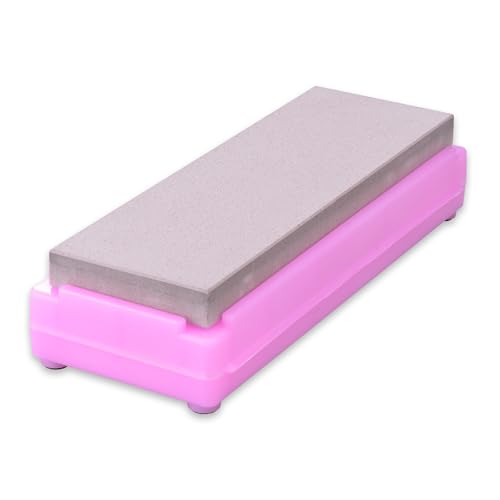
Shapton K0704 #5000 Finish Whetstone
Polished finishing stone
Polish Stage Users
Premium Pick
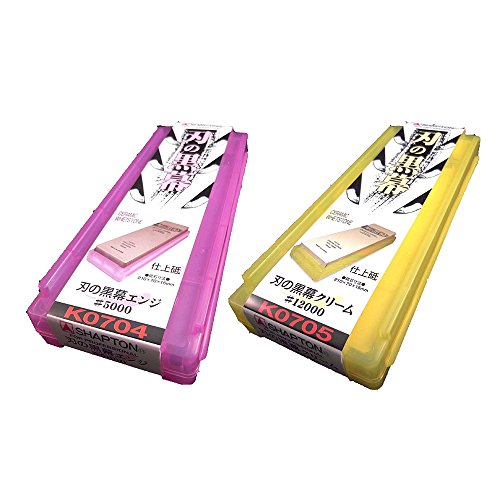
Shapton Kuromaku Ceramic C-Set 5000/12000
Two-step high finish
Mirror Polish Seekers

Beginner Friendly
Sharp Pebble Whetstone 1000/6000
Angle guide included
First Time Sharpeners

Value Pick
Sharp Pebble 400/1000 Sharpening Kit
Coarse repair and edge reset
Neglected Blade Revival

Everyday Favorite
Sharp Pebble Complete 1000/6000 Kit
Adjustable angle guides
Step Up Beginners

On-The-Go Choice
AccuSharp Pocket Stone Natural Arkansas
Portable natural stone
Travel And EDC

Travel Ready
AccuSharp Pocket Stone Diamond
Fast diamond touch-ups
Field Repairs And Camping

Well Rounded Pick
AccuSharp Arkansas 2-Stone Set
Natural medium and fine pair
Traditional Stone Purists
More Details On Our Top Picks
Where most whetstones slur with water, the Shapton K0704 uses a dense ceramic matrix that cuts clean and rinses clean. The #5000 grit, sitting in the mid-to-fine range, refines an edge that has already been shaped rather than fixing a badly damaged blade. For someone who already owns a coarser stone and wants a clean second step, this Shapton is the textbook finishing layer.
The plastic case doubles as a stone holder, which removes the small but annoying problem of the stone sliding on a wet counter. It weighs next to nothing, so it earns a spot in a small apartment drawer without complaint. Think of it as a polishing cloth for steel, not a repair shop.
Strong Points
- Compact 8.3 by 2.8 inch footprint suits cramped counters and small kitchens.
- Dense ceramic construction holds flat longer than softer water stones, which beginners tend to gouge.
- Included case doubles as a non-slip holder during use.
- Minimal soaking required, so setup takes under a minute.
Honest Caveats
- #5000 grit is a finishing stone, not a starter stone, so it cannot rescue a badly chipped edge on its own.
- Higher cost than entry-level combo stones, which may feel steep for a first purchase.
Best Suited To
Sharpeners who already own a lower-grit stone and want a reliable, low-mess finishing step for kitchen knives and chisels.
Look Elsewhere When
You have not bought your first stone yet, in which case the Sharp Pebble Whetstone 1000/6000 is a more forgiving starting point.
The Kuromaku C-Set skips the rough work and goes straight to the part most beginners want to feel: a polished, hair-splitting edge. Pairing #5000 and #12000 grit ceramics on one working surface of 8-1/4 by 2-3/4 inches, the set serves kitchen knives, sushi blades, and precision tools that already have a working edge. It is a finishing kit, not a repair kit.
Each stone ships in a color-matched ventilated plastic case that flips into a base, so the working surface stays put during a session. For a hobbyist who sharpens weekly and cares about the final polish, this Shapton pair is the kind of tool that quietly outperforms its size.
A Few Strong Suits
- Two-stage progression from refining polish to near-mirror without swapping tools.
- Color-coded cases double as stone holders, which keeps the counter tidy.
- Compact 8-1/4 inch length fits most chef’s knives without overhang.
Points To Note
- No coarse grit, so badly nicked blades still need a separate stone first.
- Premium pricing reflects the ceramics, which may stretch a first-time budget.
Whose Shelf It Belongs On
Cooks and crafters who want a refined finish on already-sharp edges and have the budget for a dedicated polishing step.
Skip It When
You need one stone that does everything from chips to polish, in which case the Sharp Pebble Complete 1000/6000 Kit covers the full journey.
The Sharp Pebble 1000/6000 is the stone most first-timers end up with, and for good reason. The included angle guide clips onto the spine of the knife and locks in a steady bevel, removing the part of sharpening where beginners lose the plot. Water-based sharpening keeps the counter clean, with no oil slick to wipe down afterward.
Where the earlier Shapton finishes live in the refinement stage, this combo stone covers the daily grind from a tired edge to a working polish. It works equally well on a home chef’s knife or a hobby plane iron, and the soak-and-go setup means there is no long preparation ritual to interrupt dinner prep.
Practical Pluses
- Angle guide removes the most common beginner mistake of rolling the bevel.
- Dual grit design covers everyday sharpening and finishing in one stone.
- Water-only setup means no oily residue on blades or counters.
Worth Bearing In Mind
- 1#1000 grit cannot fix chips or restore a heavily rolled edge, so a dedicated coarse stone still helps occasionally.
- Soaking time before the first use runs several minutes, which is worth planning around.
Key Product Details
Perfect Match For
Home cooks opening their first whetstone box and wanting one tool that walks them from a dull edge to a serviceable polish.
Another Choice May Suit
Anyone restoring very dull or chipped blades should consider the Sharp Pebble 400/1000 Kit, which adds a coarser repair stage.
The 400/1000 kit is where the Sharp Pebble line shifts from polish to repair. The 400 grit side reshapes a rolled or chipped bevel, and 1000 cleans up the scratch pattern into something a kitchen knife can actually slice with. For a knife that has been neglected, this two-sided stone is the realistic starting point.
The kit ships with a non-slip base, an angle guide, and a flattening plate, which together cover the awkward first sessions where every other tool seems to be missing. Compared to the 1000/6000 model, this one trades polish for raw repair power, and for some knife drawers that is exactly the trade worth making.
What Stands Out
- Coarse 400 grit side can reset edges that finer stones cannot reach.
- Accessory bundle means no separate base or guide purchase.
- Water-based sharpening keeps cleanup minimal.
Trade Offs
- Lacks a finishing stone, so blades end up sharp but not polished.
- Coarse grit is aggressive on premium knives, so light pressure matters.
Right Fit For
Anyone reviving long-neglected kitchen or pocket knives where the edge has rolled or picked up small chips.
Reach For A Different Pick When
Daily touch-ups on already-healthy edges are the main job, where the Sharp Pebble Whetstone 1000/6000 handles the routine better.
Where the standard 1000/6000 Sharp Pebble ships with a single angle guide, the Complete Kit adds a four-position angle base set to 15, 17, 20, and 22 degrees. That single addition turns the stone into a system that handles a Japanese gyuto and a Western chef’s knife without guesswork. It is the most thoughtfully staged entry point in the brand’s lineup.
For someone who has watched a few sharpening videos and still struggles to hold a steady angle, the adjustable base removes the mental load. The dense stone formulation means it stays flat longer than the budget stones that come in two-for-one kits, which pays off across months of weekly sessions.
Advantages To Know
- Adjustable angle base supports Japanese and Western bevels without swapping tools.
- Dense grit formulation resists dishing during regular use.
- Dual-grit design covers everyday sharpening and finishing in one stone.
Less-Strong Areas
- 1#1000 grit still cannot rescue badly chipped blades on its own.
- More components in the box mean a slightly longer first-time setup.
Quick Facts
Who Will Love This
Sharpeners who own more than one style of kitchen knife and want a single setup that adapts to each without extra tools.
A Better Fit Elsewhere
You sharpen primarily outdoors or in the field, where the AccuSharp Pocket Stone Diamond travels much more easily.
The AccuSharp Pocket Stone shrinks a sharpening session down to something that fits in a jacket pocket. At roughly three inches per side, the natural Arkansas stone gives a slow, clean cut that suits fish hooks, hunting knives, and the small straight blades that tag along on camping trips. The included pouch keeps the stone from rattling around with the rest of the gear.
Compared to the bench-bound Sharp Pebble stones earlier in this list, this is a field tool, not a kitchen tool. It rewards a slow, controlled hand and produces a working edge rather than a polished mirror finish, which is exactly the right tradeoff for a hike-in hunt or a backcountry kitchen.
Notable Upsides
- Compact 3 inch size slips into a pack, pocket, or tackle box.
- Natural Arkansas stone cuts slowly, which is forgiving for new hands.
- Included pouch protects the stone during transport.
Soft Spots
- Small surface lengthens the work on full-size kitchen knives.
- No base, so a flat surface or cloth helps stabilize the stone during use.
Built With In Mind
Outdoors-focused sharpeners who want a quiet, portable tool for fishing, camping, and field-dressing knives.
Not Your Match When
You mostly sharpen full-size kitchen knives at home, where the Sharp Pebble Complete 1000/6000 Kit is the better fit.
The diamond version of the AccuSharp Pocket Stone trades Arkansas novaculite for an abrasive-coated plate, which removes steel faster and stays effective on harder alloys. A 320-grit diamond face sets a working edge quickly, which matters when a hunting knife hits bone or a fishing knife meets a scale-covered catch. It is the faster, rougher sibling of the natural Arkansas pocket stone.
Field use tends to punish a stone with moisture and grit, and the diamond surface shrugs both off without losing bite. For someone who already carries a fixed-blade on every trip, the diamond version earns its spot by being the only stone in the pack that reliably fixes a rolled edge before dinner.
Useful Highlights
- 320-grit diamond face cuts quickly through rolled or damaged edges.
- Compact 3 inch size suits pocket or pack carry.
- Durable abrasive surface tolerates field conditions.
Some Limits To Know
- Aggressive cut can leave visible scratch patterns on polished blades.
- Lacks a fine side, so a finishing stone is still needed for mirror edges.
Who Should Grab It
Outdoors users who want a single portable stone that resets edges fast on hunting, fishing, and bushcraft knives.
Swap It Out When
You prefer a slower, finer cut on natural stone, in which case the AccuSharp Pocket Stone Natural Arkansas fits the bill.
The AccuSharp Arkansas 2-Stone Set pairs a medium and a fine natural stone in one box, plus a 1 oz bottle of honing solution. The medium stone resets an edge that has lost its bite, and the fine stone refines that edge into something that cleanly slices a tomato skin. For someone who wants the traditional Arkansas experience without buying stones one at a time, this is a tidy package.
Natural Arkansas stones cut more slowly than water stones, which is a feature for cautious beginners who would rather take a long session than grind too much steel off. Compared to the synthetic Sharp Pebble options earlier in the list, the trade is patience for longevity, since Arkansas stones last for years with occasional flattening.
A Few Highlights
- Two natural stones cover medium repair and fine finishing in one set.
- 3 inch stone size suits small to mid-size blades comfortably.
- Included honing solution gives a sensible starting point for lubrication.
Worth Noting
- No coarse stone, so badly chipped edges still need a separate repair tool.
- Slower cutting action means longer sessions on harder steel alloys.
Made For
Sharpeners who value traditional natural stone over synthetic options and want a matched medium and fine pair in a single purchase.
Where A Sibling Pick Shines
You need fast repair on neglected blades, where the Sharp Pebble 400/1000 Kit offers a more aggressive starting grit.
What Matters Most Before Choosing Beginner Whetstones
Grit Range And What Each Level Does
A whetstone’s grit number describes how coarse the abrasive is, and the number determines what the stone can actually fix. Lower grits, in the 200 to 600 range, reshape rolled or chipped edges, while mid-range grits around 1000 put a working edge on a knife. Fine grits between 4000 and 8000 polish that edge, and anything past 10000 chases a near-mirror finish. Beginners usually benefit from a combo stone that pairs a middle grit with a fine grit, since that covers most home kitchen knives without overcomplicating the first purchase.
Stone Material And How It Feels Under The Blade
Synthetic water stones cut quickly and release fresh abrasive as they wear, which makes them forgiving but also means they dish over time. Ceramic stones hold their shape and resist dishing, but cost more per stone. Natural Arkansas novaculite cuts slowly, lasts for years, and rewards a patient hand, which can be either a feature or a frustration depending on the person using it. The honest read is that material choice matters less than picking a stone you will actually use regularly.
Size, Base, And Setup Space
Bench stones longer than 8 inches give a comfortable stroke for full-size chef’s knives, while stones closer to 3 inches earn their keep in a pack or tackle box. A non-slip base or stone holder matters more than people expect, since a sliding stone on a wet counter is how beginners cut themselves. Think about where the stone will live between sessions, and pick a footprint that fits the spot rather than the other way around.
Angle Guides And Beginner Confidence
Angle guides do not replace a trained hand, but they do remove the worst beginner mistake of rolling the bevel mid-stroke. Adjustable bases with stops at common angles like 15, 17, 20, and 22 degrees cover most kitchen knife profiles, and a simple clip-on guide works for one knife at a time. The honest read is that any guide is better than freehand on day one, even if the guide eventually graduates to a drawer.
Key Considerations Across These Picks
Where Shoppers Go Wrong
The most common mistake is buying a finishing stone as a first purchase, since a #5000 or #12000 grit cannot repair a damaged edge and ends up looking inert on the counter. Beginners also tend to skip flattening, which leaves a dished stone that no longer makes full contact with the blade. A third slip is choosing a stone that is too small for the knives being sharpened, which forces awkward strokes and uneven edges.
When Paying More Pays Off
Premium stones cost more because they cut faster, hold their shape longer, and arrive with accessories that genuinely shorten the learning curve. The Shapton ceramics and the Sharp Pebble Complete Kit both earn their higher cost through included angle systems and dense abrasive that resists dishing. For occasional touch-ups on a couple of knives, a budget combo stone does the job, but a weekly routine on a real collection of blades pays back the upgrade within a year.
