
Book Appointment Now

How to Start Your Cooking Journey at Home

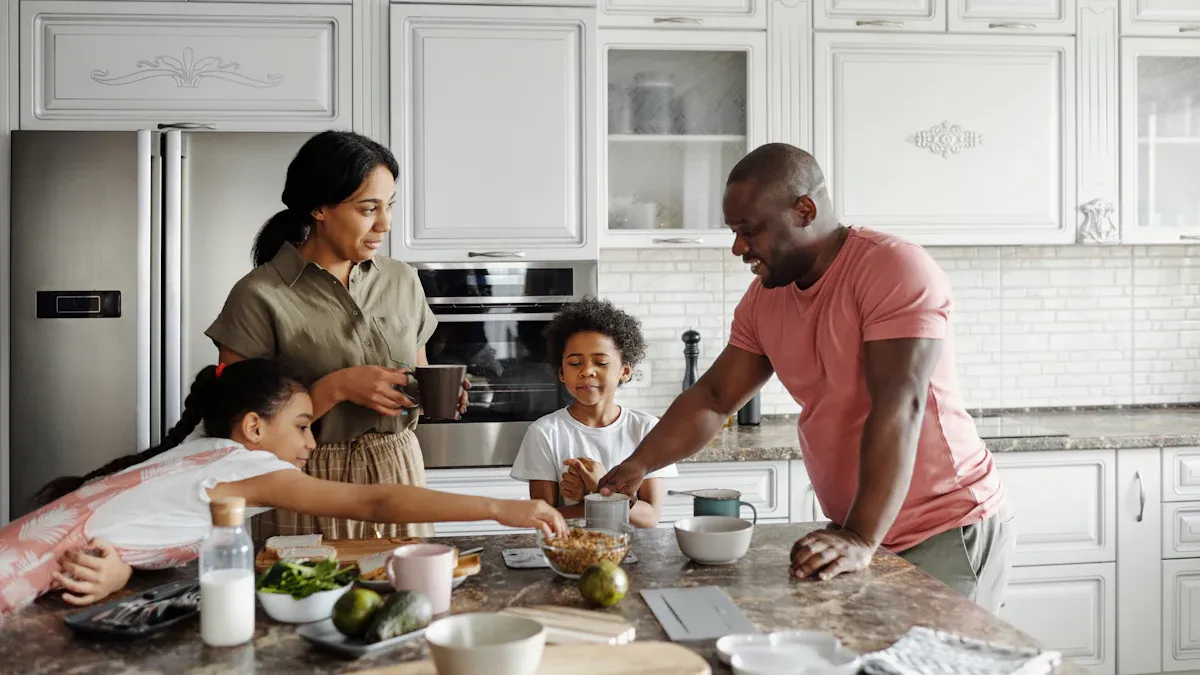
Welcome to your cooking journey! Cooking at home is not just a useful skill; it’s a fantastic way to express creativity and care for yourself and your loved ones. Did you know that about 50.6% of people frequently cook dinner at home? This shows that many enjoy the benefits of home cooking. It helps you avoid unhealthy additives and can even save you money. Plus, there’s something special about preparing meals that brings people together. So, start your cooking adventure today!
Key Takeaways
Start your cooking journey by reading recipes fully before beginning. This helps you understand the steps and avoid surprises.
Gather all ingredients and tools before cooking. This makes the process smoother and more enjoyable.
Focus on mastering basic cooking techniques like sautéing, boiling, and baking. These skills form the foundation of your cooking abilities.
Stock your pantry with essential ingredients like pasta, canned goods, and spices. A well-stocked pantry simplifies meal prep.
Plan your meals ahead of time. This saves time and helps you use ingredients before they spoil.
Start Your Cooking with Recipes
Reading Recipes
When you start your cooking journey, reading recipes is your first step. Recipes guide you through the cooking process, helping you understand what to do. Here are some essential steps to follow when reading a recipe:
Read the Entire Recipe First: Before you begin, take a moment to read through the whole recipe. This helps you understand all the ingredients and steps involved. You want to avoid surprises halfway through!
Ingredients and Material Needed Before Starting: Gather and measure all your ingredients before you start cooking. This makes the process smoother and more enjoyable.
Know Your Measurements: Familiarize yourself with common cooking measurements. This ensures accuracy in your cooking, which is crucial for great results.
Taste Adjustment of Recipes on Your Own: After following a recipe closely the first time, feel free to modify it to suit your taste. Cooking is all about experimenting!
Taste as You Go: Sampling your dish during cooking allows you to make necessary adjustments. It’s a fun way to learn what flavors work best together.
Starting with simple recipes is key to building your confidence in the kitchen. Beginner-friendly recipes help you master the basics, like frying eggs or making soup. These foundational skills are essential for your cooking journey. As you practice, you’ll find that cooking becomes more enjoyable.
Here are some popular beginner recipes recommended by culinary experts:
Recipe Name | Time Commitment | Why It’s Recommended | Serves |
|---|---|---|---|
Meal-Prep Turkey Meatballs with Zucchini Noodles | 35 minutes | make ahead, gluten free, beginner-friendly | 4 |
50-50 Buttered Noodles and Greens | 30 minutes | <10 ingredients, one pot, beginner-friendly | 4 |
Vegetarian Sloppy Joes | 30 minutes | crowd-pleaser, vegetarian, beginner-friendly | 6 |
Crispy Kale and Egg Skillet for One | 10 minutes | <30 minutes, <10 ingredients, one pan, vegetarian | 1 |
These recipes not only taste great but also help you practice essential techniques. Remember, the more you cook, the more confident you’ll become.
Key Cooking Techniques
As you start your cooking journey, focus on mastering a few key techniques. Here are some foundational skills to get you started:
Sautéing: This involves cooking food quickly in a small amount of oil over high heat. It’s perfect for vegetables and proteins.
Boiling: A basic technique for cooking pasta, rice, and vegetables. Just bring water to a boil and add your ingredients.
Baking: This method uses dry heat in an oven. It’s great for making bread, cakes, and casseroles.
Roasting: Similar to baking, but typically at higher temperatures. Roasting brings out the natural flavors in vegetables and meats.
By focusing on these techniques, you’ll build a solid foundation for your cooking skills. Remember, every great cook started as a beginner. So, don’t be afraid to make mistakes; they’re part of the learning process!
Essential Cooking Tools
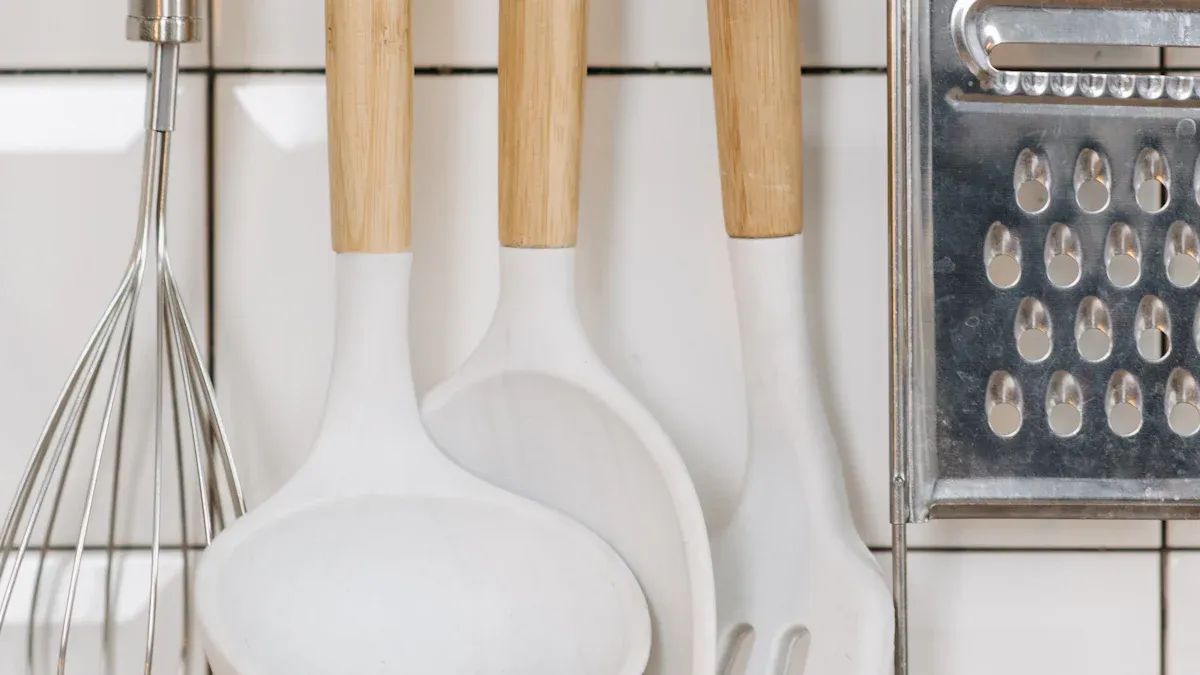
When you start cooking at home, having the right tools makes all the difference. Here’s a list of must-have kitchen equipment that every beginner should consider:
Must-Have Tools
US Measuring Cups and Spoons: These are essential for accurate measurements in cooking and baking.
Weighing Scale: This tool provides precise measurements, especially for baking ingredients.
Dutch Oven: A versatile piece of cookware, perfect for stews, soups, and even baking bread.
Cast Iron Skillet: Great for searing and sautéing, it distributes heat evenly and lasts a lifetime.
Pressure Cooker: This gadget cooks food quickly while retaining nutrients, making it perfect for healthy meals.
Having these tools not only makes cooking enjoyable but also builds your confidence in the kitchen. You’ll find that high-quality gadgets encourage creativity and experimentation with recipes.
Budget-Friendly Options
You don’t need to break the bank to equip your kitchen. Here are some affordable alternatives that still deliver great performance:
Chef’s Knife: A good knife is essential for various tasks, making prep work faster and more efficient.
Saucepan: This versatile pot is perfect for boiling, simmering, and reheating, reducing the need for multiple pots.
Mixing Bowls: Useful for a variety of tasks, these bowls can nest for space-saving and double as serving dishes.
Can Opener: A reliable tool that simplifies opening cans, crucial for beginners relying on canned ingredients.
With these budget-friendly options, you can start your cooking journey without overspending. Remember, the right tools can make your cooking experience smoother and more enjoyable!
Pantry Staples for Cooking
Basic Ingredients
Stocking your pantry with the right ingredients makes cooking at home much easier. Here’s a list of basic staples you should consider having on hand:
Dry Goods: Pasta, rice, quinoa, and couscous are great for quick meals.
Canned Goods: Keep black beans, chickpeas, canned lentils, and tomatoes for versatile meal options.
Oils and Vinegar: Olive oil and balsamic vinegar add flavor to many dishes.
Baking Ingredients: Flour, sugar, baking soda, and oats are essential for baking.
Spices: Cumin, paprika, oregano, and cinnamon can elevate your meals.
Produce: Potatoes, onions, and garlic are staples that enhance many recipes.
Miscellaneous: Breadcrumbs, chicken stock, and nutritional yeast can be handy for various dishes.
Having these ingredients stocked helps you whip up meals without extensive planning. You’ll find that a well-stocked pantry simplifies meal prep and reduces cooking time.
Organizing Your Pantry
An organized pantry can make a world of difference in your cooking experience. Here are some tips to help you keep things tidy:
Set Clear Goals: Decide how you want to organize your pantry. This focus will guide your efforts.
Clean Out Expired Items: Regularly check for expired goods to maximize space.
Avoid Excessive Containers: Too many containers can waste space. Keep it simple.
Use Cabinet Accessories: Consider tray dividers and spice racks to enhance organization. These tools can be your best friend!
Label Sections Clearly: This makes it easy to find what you need quickly.
A well-organized pantry not only saves time but also inspires creativity in your cooking. You’ll enjoy meal prep more when you can easily see what you have on hand.
Learning to Cook: Beginner-Friendly Dishes
Simple Dishes to Try
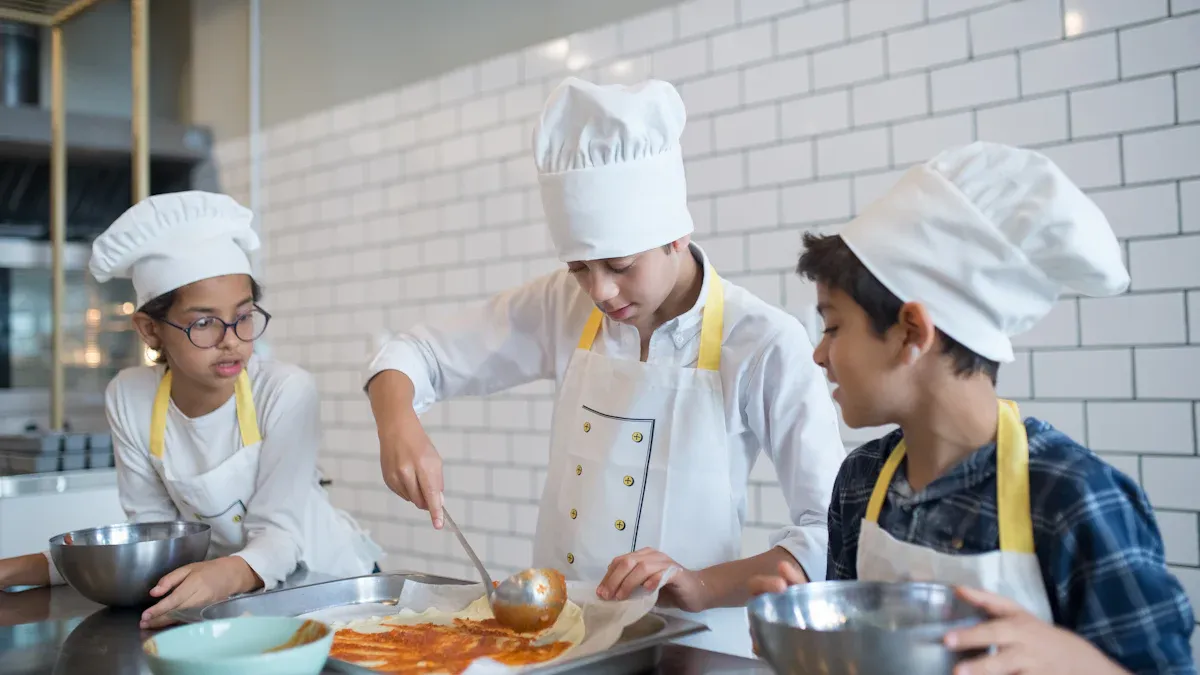
Starting your cooking journey can feel overwhelming, but trying simple dishes can help you build confidence. Here are some beginner-friendly options that are not only easy to prepare but also delicious:
Omelettes: These are quick and nutritious. You can customize them with various fillings like cheese, vegetables, or meats. This versatility makes omelettes perfect for beginners who want to experiment with different ingredients.
Pasta: One-pot pasta dishes are fantastic for new cooks. They combine protein, fiber, and carbohydrates, creating a balanced meal. Plus, they take only about 15 minutes to prepare, making them ideal for busy days.
Peach Caprese Salad: This refreshing salad combines sweet peaches with mozzarella and basil. It’s simple, requires minimal ingredients, and is perfect for summer.
One Pot Spaghetti with Meat Sauce: This dish is a family favorite. You can cook everything in one pot, which means less cleanup for you!
Smashed Chickpea Salad Sandwich: This is a healthy and filling option. Just mash chickpeas, mix in some veggies, and serve it on your favorite bread.
Easy Taco Salad: Ground turkey and black beans come together in this hearty salad. It’s a fun way to enjoy taco flavors without the fuss.
Here’s a quick table of other easy dishes to consider:
Dish Name | Description |
|---|---|
Freezer Burritos with Beans, Rice, and Cheese | Make these ahead of time for quick meals on busy days. |
Veggie Wraps with Hummus and Avocado | A light and healthy option that’s easy to assemble. |
Korean BBQ Sloppy Joes | A twist on the classic, these are sure to please everyone at the table. |
Naan Pizza | Use naan bread as a base for quick and customizable pizzas. |
Dutch Oven No Knead Bread | This bread is simple to make and requires no kneading, perfect for beginners. |
Meal Planning Tips
Meal planning can simplify your cooking experience and help you make the most of your time in the kitchen. Here are some effective tips to get you started:
Create a List of Staple Meals: Think about your favorite dishes and write them down. This list will make planning easier and quicker.
Use Organizational Tools: Consider using apps like Trello to categorize and manage your recipes. This way, you can keep track of what you want to cook.
Check Your Fridge and Pantry: Before planning your meals, take a look at what you already have. This helps you use up ingredients that might go bad soon.
Coordinate with Your Schedule: Plan meals based on the time you realistically have available. If you know you’ll be busy, opt for quicker recipes.
Focus on One Dish at a Time: Don’t overwhelm yourself by trying to cook multiple dishes at once. Concentrate on one meal, and you’ll find it easier to manage.
By starting with simple dishes and planning your meals, you’ll find that cooking becomes less daunting and more enjoyable. Remember, every great cook started somewhere, so take your time and enjoy the process!
Cooking at home can feel intimidating, but you can absolutely do it! Start with one recipe that excites you. Remember, practice makes perfect. Each time you cook, you’ll gain confidence and improve your skills.
Here are some tips to keep in mind:
Use fresh, quality ingredients for better results.
Follow recipes closely to avoid mistakes.
Don’t hesitate to experiment once you feel comfortable.
As you continue your cooking journey, you’ll discover the joy of creating meals that fit your tastes and dietary needs. So, roll up your sleeves and dive into the kitchen. You’ve got this!
FAQ
What are some easy recipes for beginners?
Start with simple dishes like omelettes, pasta, or one-pot meals. These recipes require minimal ingredients and help you practice basic cooking techniques.
How can I improve my cooking skills?
Practice regularly! Try new recipes, experiment with flavors, and don’t be afraid to make mistakes. Each cooking session builds your confidence and skills.
What should I do if I burn my food?
Don’t panic! If it’s just a little burnt, you can often salvage it by cutting off the charred parts. If it’s beyond saving, learn from it and try again!
How do I know when my food is done cooking?
Use a timer and check for visual cues. For meats, a meat thermometer can help. For pasta, taste it to see if it’s al dente.
Can I cook without a lot of fancy tools?
Absolutely! You can start with basic tools like a good knife, a cutting board, and a pot. As you grow, you can invest in more specialized equipment.
