
Book Appointment Now

10 Easy Cooking Techniques Every Cook Should Know


Cooking can feel intimidating, but mastering easy cooking techniques can change that. When you develop essential kitchen skills, you not only boost your confidence but also improve your overall cooking experience.
Many home cooks report feeling more confident after learning these easy cooking techniques.
Experts agree that foundational skills, like reading and understanding recipes, pave the way for creative exploration in the kitchen.
So, embrace these easy cooking techniques! They’re your stepping stones to becoming a more skilled and adventurous cook.
Key Takeaways
Master basic knife skills like chopping and dicing to improve your cooking efficiency and safety.
Blanching vegetables preserves their color, flavor, and nutrients, making them more appealing and nutritious.
Sautéing and stir-frying enhance flavors and textures; use the right pan and keep ingredients moving for best results.
Searing meat creates a flavorful crust that locks in juices, while braising tenderizes tougher cuts for delicious meals.
Steaming retains nutrients in food, making it a healthy cooking method; combine it with essential baking techniques for great results.
Knife Techniques
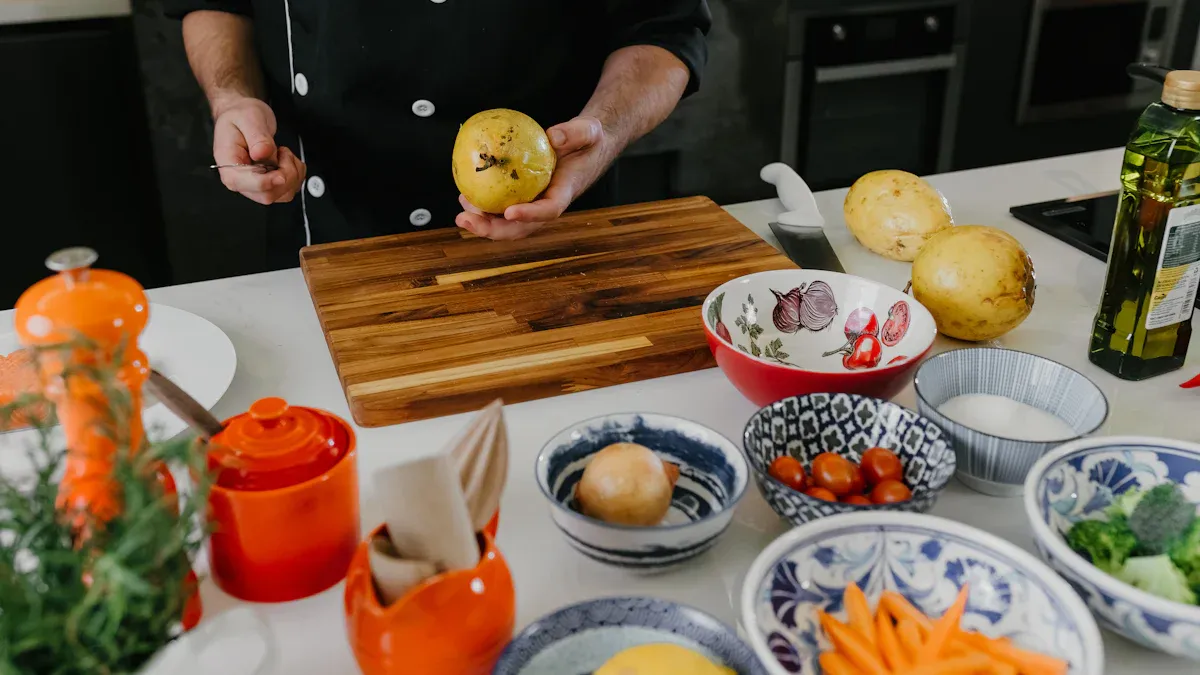
Knife skills are essential for any cook. Mastering these techniques not only makes your cooking easier but also enhances your safety in the kitchen. Let’s dive into some basic cuts you should know.
Basic Cuts
Here are some fundamental knife cuts that every beginner should practice:
Chopping: This is the most basic cut. Use a rocking motion to chop vegetables quickly.
Dicing: Cut your food into small, uniform cubes. This technique is great for ingredients like onions and bell peppers.
Mincing: This involves cutting food into very fine pieces. Garlic and herbs often require mincing for maximum flavor.
Bias Cutting: This technique gives your vegetables a unique look. Cut at a diagonal angle for a more appealing presentation.
Brunoise: This is a more advanced technique where you dice food into tiny cubes, perfect for garnishes.
Practicing these cuts will improve your knife skills and make your food prep more efficient.
Safety Tips
Using a knife safely is just as important as knowing how to use it. Here are some tips to keep in mind:
Always keep your knives sharp. Dull knives can slip and cause accidents.
Use a cutting board to stabilize your ingredients. This prevents slipping and keeps your fingers safe.
Hold the knife correctly. Grip the handle firmly and keep your fingers tucked away from the blade.
Pay attention while cutting. Distractions can lead to injuries.
Indeed, proper knife skills are the basis of culinary proficiency, contributing to safer, more enjoyable, and more efficient cooking experiences.
By mastering these knife techniques, you’ll not only enhance your cooking but also ensure a safer kitchen environment.
Easy Cooking Techniques: Blanching
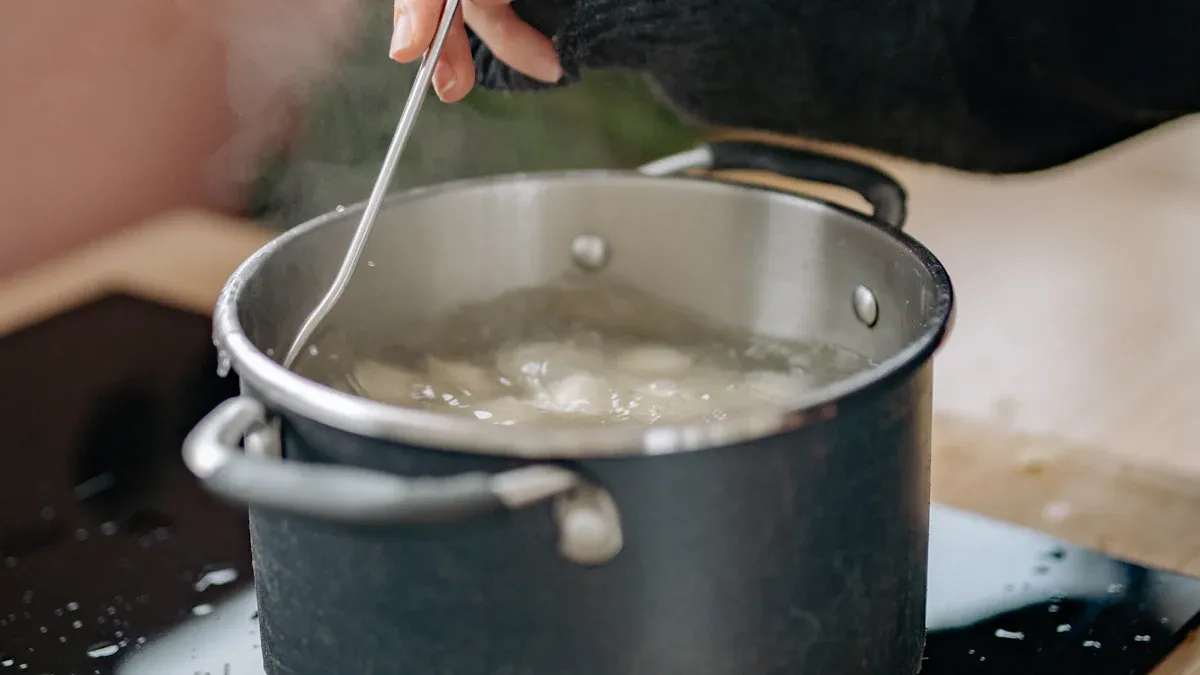
Blanching is a simple yet effective cooking technique that every cook should know. It involves briefly boiling vegetables and then plunging them into ice water. This method serves several important purposes.
Purpose of Blanching
So, why should you blanch your vegetables? Here are some key reasons:
Blanching helps maintain the flavor, color, and texture of vegetables when frozen.
It slows down the loss of vitamins, keeping your veggies nutritious.
This technique cleanses the surface of dirt and some bacteria.
It stops enzyme actions that can lead to loss of flavor, color, and texture.
Blanching brightens the color of vegetables, making them more appealing.
By understanding these benefits, you can see how blanching is one of those easy cooking techniques that can elevate your dishes.
Step-by-Step Process
Ready to give blanching a try? Follow these simple steps:
Boil water: Fill a large pot with water and bring it to a rolling boil.
Prepare an ice bath: In a bowl, mix cold water with ice. This will help stop the cooking process.
Blanch your vegetables: Add your chosen vegetables to the boiling water. Cook them until their color brightens and they barely soften. This usually takes just a few minutes.
Shock and dry: Quickly transfer the vegetables to the ice bath. Let them sit for a few minutes to cool down. Once cooled, drain and pat them dry.
Blanching is a quick and easy way to prepare vegetables for freezing or to enhance their flavor and appearance in your dishes. Give it a shot, and you’ll see how this technique can make a difference in your cooking!
Sautéing and Stir-Frying
Sautéing and stir-frying are quick cooking techniques that can elevate your meals. Both methods involve cooking food quickly over high heat, but they have some differences. Sautéing typically uses a bit of oil in a flat pan, while stir-frying often requires a wok, which allows for constant movement of ingredients. This movement helps preserve the color and crunch of your vegetables.
Choosing the Right Pan
The pan you choose can significantly affect your cooking results. Here’s what to consider:
Heat Distribution: A good pan ensures even heat distribution, which is crucial for achieving the right texture and flavor.
Material Matters: Non-stick pans work well for sautéing, while woks are ideal for stir-frying. The shape of a wok allows for high heat and quick cooking.
Size Counts: Make sure your pan is large enough to hold your ingredients without overcrowding. This helps them cook evenly.
Using the right pan can make a big difference in your cooking experience.
Techniques for Perfect Sautéing
To master sautéing, follow these simple techniques:
Preheat Your Pan: Heat your pan before adding oil. This helps create a nice sear on your ingredients.
Use Enough Oil: Don’t skimp on oil. It helps prevent sticking and enhances flavor.
Don’t Overcrowd: Cook in batches if necessary. Overcrowding can lead to steaming instead of sautéing.
Keep It Moving: Stir or toss your ingredients frequently. This ensures even cooking and prevents burning.
By practicing these techniques, you’ll become a more confident home cook. Sautéing and stir-frying are not just about speed; they’re about bringing out the best flavors in your ingredients. So, grab your pan and start experimenting!
Searing and Braising
Searing and braising are two fantastic cooking techniques that can elevate your meals. Let’s explore how to create a flavorful crust through searing and how to combine moist and dry heat with braising.
Creating a Flavorful Crust
Searing is all about cooking meat at high temperatures to form a delicious brown crust. This crust not only looks appealing but also enhances the flavor of your dish. Here are some benefits of searing:
Flavor Retention: Searing maximizes flavor retention by caramelizing natural sugars in the meat.
Juiciness: The high heat helps seal in juices, resulting in a juicy and flavorful meal.
Texture: A well-seared crust improves the texture of your dish, providing a satisfying contrast to the tender interior.
Flavor Layers: The Maillard reaction during searing builds layers of flavor, creating that rich umami taste we all love.
When you sear meat, you’re not just cooking it; you’re enhancing its overall taste and texture. So, don’t skip this step!
Combining Moist and Dry Heat
Braising is a slow cooking method that combines both moist and dry heat. It’s perfect for tougher cuts of meat and hearty vegetables that need time to become tender. Here’s when to use braising and its advantages:
Ideal for Tough Cuts: Braising works wonders on cuts like short ribs, pork shoulder, and lamb shanks. These tougher meats become incredibly tender through the slow cooking process.
Flavor Development: As the ingredients cook, they absorb the flavors from the cooking liquid, enhancing the overall taste of your dish.
Tenderizing: The slow cooking breaks down fibers and connective tissue, resulting in melt-in-your-mouth meat.
Versatile: You can braise not just meat but also root vegetables, making it a great technique for hearty dishes.
By mastering searing and braising, you’ll add depth and richness to your cooking. These techniques are not just about preparing food; they’re about creating memorable meals that you and your loved ones will enjoy.
Steaming and Baking
Steaming and baking are two fantastic cooking techniques that can help you create delicious and healthy meals. Let’s explore the benefits of steaming and some essential baking techniques that every beginner should master.
Healthy Cooking with Steam
Steaming is one of the healthiest cooking methods out there. It helps retain the nutrients in your food, making your meals not just tasty but also nutritious. Here are some key benefits of steaming:
Nutrient Preservation: Steaming preserves more nutrients than boiling, especially vitamin C, beta-carotene, and antioxidants.
Water-Soluble Vitamins: This method retains water-soluble vitamins, which are sensitive to heat and water. For example, steamed broccoli keeps more beneficial glucosinolate compared to boiled or fried broccoli.
Expert Insight: Nutrition expert Jenna Hope states that steaming retains more nutrients compared to boiling, as leaching into water is minimized.
By choosing steaming, you can enjoy vibrant, flavorful vegetables that are packed with nutrients. Plus, it’s a quick and easy way to prepare your meals!
Essential Baking Techniques
Baking is a wonderful way to create a variety of dishes, from bread to desserts. To ensure consistent results, here are some essential baking techniques you should master:
Prepare Your Ingredients: Gather all necessary ingredients and tools before starting to avoid missing key items.
Weigh Your Ingredients: Use a kitchen scale for consistent results in baking.
Use Room Temperature Ingredients: Remove ingredients from the fridge ahead of time when a recipe calls for room temperature.
Choose The Right Ingredients: Understand the different types of flours and their specific uses for baking.
Test Your Leaveners: Ensure leavening agents are effective by testing them before use.
Don’t Overmix: Avoid overmixing to maintain a tender crumb in baked goods.
Don’t Forget To Grease Your Pan: Grease pans properly to prevent sticking, even with non-stick bakeware.
Technique | Description |
|---|---|
Prepare Your Ingredients | Gather all necessary ingredients and tools before starting to avoid missing key items. |
Weigh Your Ingredients | Use a kitchen scale for consistent results in baking. |
Use Room Temperature Ingredients | Remove ingredients from the fridge ahead of time when a recipe calls for room temperature. |
Choose The Right Ingredients | Understand the different types of flours and their specific uses for baking. |
Test Your Leaveners | Ensure leavening agents are effective by testing them before use. |
Don’t Overmix | Avoid overmixing to maintain a tender crumb in baked goods. |
Don’t Forget To Grease Your Pan | Grease pans properly to prevent sticking, even with non-stick bakeware. |
By mastering these baking techniques, you’ll set yourself up for success in the kitchen. Remember, baking is both an art and a science, so follow your recipes closely for the best results!
Mastering these cooking techniques can truly transform your time in the kitchen. You’ll gain the skills to create a diverse array of dishes with confidence and precision. This not only improves the quality and flavor of your meals but also makes cooking a delightful experience.
As you practice techniques like sautéing and braising, you’ll elevate your dishes, turning simple ingredients into mouthwatering creations. So, don’t hesitate! Get in the kitchen and start honing your skills. Remember, the more you practice, the better you’ll become. Soon, you’ll be able to cook the perfect egg and impress your family and friends with your culinary prowess!
FAQ
What is the best way to improve my knife skills?
Practice regularly! Start with basic cuts like chopping and dicing. You can also watch tutorial videos to learn proper techniques. Remember, safety is key, so always use a sharp knife and a stable cutting board.
How can I enhance the presentation of my dishes?
Focus on plating! Use different colors and textures to make your food visually appealing. Arrange your ingredients thoughtfully on the plate. A little garnish can elevate the overall presentation and make your meal look restaurant-quality.
What are some tips for successful sautéing?
Preheat your pan and use enough oil to prevent sticking. Keep your ingredients moving to ensure even cooking. Don’t overcrowd the pan; cook in batches if necessary. This helps maintain the right texture and flavor.
Why is blanching important for vegetables?
Blanching preserves color, flavor, and nutrients in vegetables. It also cleanses them and stops enzyme actions that can lead to spoilage. This technique is especially useful if you plan to freeze your veggies for later use.
How do I know when my baked goods are done?
Check for a golden-brown color and a toothpick test. Insert a toothpick into the center; if it comes out clean or with a few crumbs, your baked goods are ready. Trust your senses and follow the recipe guidelines.
