
Book Appointment Now

7 Best 4 Inch Knives for 2026: Compact Blades with Real Purpose

A 4-inch knife earns its place in your kitchen or pocket by doing the small jobs a chef’s knife cannot. It’s the tool you reach for when peeling a shallot, splitting a vine-ripened tomato, opening a stubborn package, or slicing a wedge of brie for guests. Most cooks and everyday carriers eventually want a short blade that handles precise, controlled cuts, and that’s the problem this lineup solves.
Below you’ll find a mix of paring knives, specialty slicers, and folding pocket knives that all sit right around that compact 4-inch mark. Kitchen prep work, lunchbox slicing, or everyday carry each have a pick here, and each option comes with honest notes on what it does well and where it asks for compromise.
A Quick View Of The Lineup
PickWhy We Picked ItBest ForAction
Everyday Favorite
Victorinox 4 Inch Swiss Classic Paring Knife (Red)
Reliable all-rounder build
Daily kitchen prep


Premium Pick
Shun Premier Blonde 4-Inch Paring Knife
Refined craftsmanship feel
Detail-oriented home cooks

On-The-Go Choice
CIVIVI Elementum II Folding Pocket Knife
Lightweight carry profile
Office and travel EDC
Compact Choice
CIVIVI Mini Praxis Folding Pocket Knife
Tough steel in small body
Pocket-friendly daily use

Daily Driver
CIVIVI Praxis Folding Pocket Knife C803F
Balanced full-size EDC
Outdoor and workshop tasks

Entertaining Pick
HOSHANHO 5-Inch Cheese Knife
Clean cheese board cuts
Charcuterie and hosting
Why These Options Stand Out
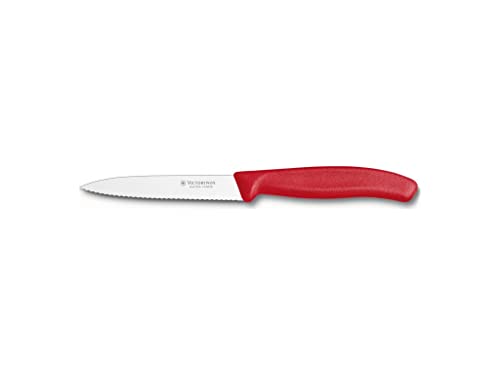
For most home cooks, this little red-handled Victorinox is the paring knife you forget you own until you need it. The serrated edge with a spear-point tip is built for small, fiddly work, and the short blade gives you real control when you’re peeling an apple, deveining shrimp, or cutting the eyes out of a potato. Compared to the HOSHANHO tomato knife later in this list, it isn’t a specialist slicer, but it covers far more ground in a busy kitchen.
You can rinse it under the tap and it goes back in the drawer, which matters more than people expect from a knife that gets used three or four times a day. Depending on your grip, the lightweight handle may feel almost too light if you’re used to heavier German-style blades, though for delicate prep that responsiveness is part of the appeal.
The Value In It
- Versatile enough for peeling, slicing, and detail work on small produce
- Contoured red handle stays secure even when your hands are wet
- Short blade length makes precise cuts easier and safer
- Known for long-term durability in restaurant and home settings
Things To Consider
- Serrated edge is harder to resharpen at home than a plain edge
- Lightweight feel won’t appeal to those who prefer a substantial blade
Feature Snapshot
Who It Suits Best
Home cooks and apartment dwellers who want one paring knife that handles produce, garnishes, and small prep jobs without ceremony.
Consider Something Else When
The Shun Premier Blonde 4-Inch Paring Knife is a better match for cooks who want a handcrafted Japanese blade and don’t mind a step up in price.
Tomato knives live in their own little category, and the HOSHANHO makes a strong case for why that exists. The serrated blade is hand-ground to a 15-degree angle on each side, and that fine edge is what keeps a ripe tomato from crushing under the cut. If you build BLTs in the summer or slice citrus for drinks, this is the kind of tool that makes the job feel less like surgery and more like a quick swipe.
It’s a touch longer than the paring knives earlier in this roundup, which gives you more stroke for bigger produce. For most kitchen drawers, that small extra reach is genuinely useful, though it does make the knife less nimble for tiny detail work like peeling garlic cloves.
Strong Points
- Serrated profile slices through tomato skins without crushing the flesh
- Sharper 15-degree edge angle supports cleaner cuts on citrus and soft fruit
- Slightly longer blade helps on larger produce than a 4-inch parer
Worth Noting
- Specialty design is less useful for heavy prep or peeling tasks
- Longer blade reduces agility for very small, fiddly work
- Serrated edge will need professional sharpening sooner than a plain edge
Made For
Cooks who slice tomatoes, lemons, and soft fruit often enough that a dedicated blade pays for itself in cleaner cuts.
Look Elsewhere When
The Victorinox 4 Inch Swiss Classic Paring Knife makes more sense if you want a single tool that covers peeling, dicing, and slicing rather than a tomato specialist.
Shun’s Premier Blonde line is what you reach for when a paring knife doubles as a piece of craft on the counter. The hammered tsuchime finish on the blade isn’t decoration, it reduces drag and helps food release as you slice, so shallots and garlic glide instead of sticking. If you’ve ever peeled a peach in your hand and wanted the cuts to feel more like brushstrokes, this is that experience.
Handcrafted in Japan, this sits at a noticeably different tier than the Victorinox earlier in the list. You may find the thin, hand-finished edge a little delicate for harder root vegetables, but for shallots, garlic, and small fruit, the precision is what you’re paying for.
Everyday Perks
- Hammered tsuchime finish reduces drag and keeps food from sticking
- Compact 4-inch blade excels at detailed cuts on shallots and garlic
- Handcrafted Japanese construction with a distinctive blonde handle
Trade Offs
- Thin premium edge requires more careful handling and hand-washing
- Costs meaningfully more than a typical paring knife
- Less forgiving on tough root vegetables than heavier blades
Whose Shelf It Belongs On
Detail-oriented home cooks and food enthusiasts who want a handcrafted Japanese paring knife and treat a small blade as a precision tool.
Swap It Out When
The Victorinox 4 Inch Swiss Classic Paring Knife is the smarter pick for anyone who wants a tough, low-maintenance parer for everyday kitchen work.
The Elementum II is the pocket knife you forget you have until you need it at the office, on a flight, or at a campsite. The 2.96-inch Nitro-V blade is a modern stainless steel designed to balance edge retention with corrosion resistance, and the button lock keeps the blade secure while you work. It’s a slim, easygoing tool rather than a heavy tactical piece, and that shape makes it friendly in dress pants or a work bag.
Compared to the Mini Praxis later in this list, the Elementum II has a more refined, low-profile silhouette. You may find the slim G10 handle a bit narrow if you have larger hands, but for most everyday carry pockets, it disappears until you need it.
The Good Stuff
- Nitro-V steel resists corrosion while holding a working edge
- Button lock keeps the blade secured during use
- Lightweight build disappears in a pocket or bag
Soft Spots
- Slim G10 handle may feel narrow for larger hands
- Not designed for heavy-duty prying or batonning tasks
Spec Overview
Right Fit For
Office workers, travelers, and light EDC users who want a slim, low-key folder that opens packages, trims loose threads, and handles small everyday tasks.
Another Choice May Suit
The CIVIVI Praxis Folding Pocket Knife C803F makes more sense for outdoor use, where the longer blade and bigger handle feel more confident in rougher tasks.
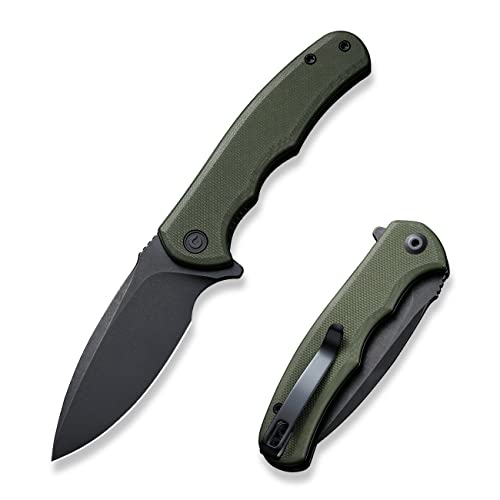
The Mini Praxis takes the CIVIVI formula and shrinks it for pockets that want less footprint. The 2.98-inch blade is D2 tool steel, a harder, more wear-resistant steel that holds a working edge through heavier daily cutting. That gives this little folder a tougher personality than its size suggests, and the OD green G10 handle keeps the visual profile low-key.
For most users, the stonewashed D2 finish and pocket clip make this a strong everyday carry option. Depending on your sharpening setup, D2 can be a little harder to touch up at home than the Nitro-V steel on the Elementum II, though it earns that trade-off with longer edge life.
Benefits That Matter
- D2 steel offers strong edge retention for daily cutting tasks
- Compact 2.98-inch blade is friendly to pocket carry
- Pocket clip keeps the folder accessible and secure
Possible Compromises
- D2 steel requires more effort to sharpen than softer stainless
- Compact handle isn’t ideal for extended heavy use
Built With In Mind
Everyday carry users who want a small but tough folder that holds an edge through opening boxes, breaking down cardboard, and general pocket duty.
Skip It When
The CIVIVI Elementum II Folding Pocket Knife is the better fit for shoppers who want easier at-home sharpening and a sleeker office-friendly profile.
The full-size Praxis is the version of the CIVIVI folder that feels ready for the workbench rather than the office. The 3.75-inch blade is on the longer end of this list, and the thin profile makes it a capable piercing tool for breaking down boxes, trimming cordage, or handling small outdoor tasks. The G10 handle scales are textured enough to feel planted in the hand without chewing up your palm.
You may find the longer blade less comfortable in slim dress pants compared to the Elementum II, but for workshop, garage, or trail use, the extra reach is what you actually want. Ball-bearing pivots keep the opening smooth, and the reversible deep-carry clip lets you set the carry side to match your dominant hand.
Key Advantages
- 3.75-inch blade handles piercing and slicing tasks beyond basic EDC
- Lightweight G10 handle scales keep weight down without sacrificing grip
- Ball-bearing pivot supports smooth one-handed opening
- Reversible deep-carry clip adapts to either carry side
Points To Note
- Longer blade is less pocket-friendly in dress pants or slim pockets
- Heavier than compact folders like the Mini Praxis
Quick Facts
Best Suited To
Outdoor users, hobbyists, and anyone who wants a folding knife that can step up from package duty to campsite and workshop tasks.
Reach For A Different Pick When
The CIVIVI Mini Praxis Folding Pocket Knife is a better fit for shoppers who want a smaller, lighter folder for office and travel carry.
If you build cheese boards for guests, you know that a regular paring knife drags and smears soft cheese across the board. HOSHANHO’s 5-inch cheese knife uses a tightly serrated edge and a hollow blade design to minimize contact and keep slices clean. The fork-tipped end is genuinely useful, letting you transfer a slice of brie from the board to a plate without fumbling with a separate fork.
Forged from Japanese high-carbon stainless steel, the blade has the right mix of hardness and corrosion resistance for a tool that gets wiped down rather than washed. This is a specialty knife, so it earns its spot for entertaining more than for daily prep, and most people will want it as a complement to a general-purpose parer like the Victorinox earlier in the list.
Where It Excels
- Hollow blade reduces friction and prevents soft cheese from sticking
- Fork tip transfers sliced cheese cleanly to the plate
- Tight serrations grip waxy rinds on aged cheeses
Honest Caveats
- Specialty purpose means limited use beyond cheese and charcuterie
- Not the right tool for everyday vegetable prep
Perfect Match For
Home entertainers, charcuterie board builders, and anyone who hosts often enough that a dedicated cheese knife earns its drawer space.
A Better Fit Elsewhere
The Victorinox 4 Inch Swiss Classic Paring Knife covers a wider range of kitchen tasks for shoppers who want one general-purpose blade rather than a specialty tool.
Picking The Right Short Blade For Your Routine
Match The Knife To The Job
Start with the work you actually do most days. Kitchen prep calls for a paring knife like the Victorinox or the Shun, while slicing tomatoes and soft fruit points toward a serrated specialist. For pocket carry, think about where the knife lives most of the time, since an office EDC has very different needs than a workshop folder.
Steel, Edge, And Maintenance
Kitchen blades in this size range lean on stainless options that tolerate quick rinses, while pocket knives sometimes step up to D2 or Nitro-V for edge life. In our view, the steel choice is less important than your willingness to keep the edge maintained. A well-cared-for basic steel outperforms a neglected premium blade every time.
Handle Comfort And Control
Grip matters more than people expect on a short blade. A contoured kitchen handle like the Victorinox’s stays secure when wet, while G10 pocket knife handles offer texture without bulk. Depending on your hand size, slim folders can feel narrow and chunky handles can feel clumsy, so handle feel is worth thinking through before committing.
Weight, Length, And Carry Profile
A 4-inch kitchen knife lives in a drawer, but a folding pocket knife lives in your pocket all day. Lighter folders like the CIVIVI Elementum II disappear in dress pants, while the longer CIVIVI Praxis trades pocket subtlety for reach. You may find a longer blade unnecessary if your daily tasks are limited to opening packages and trimming threads.
Smart Considerations Before You Commit
Mistakes Worth Dodging
A common trap is buying a single blade and expecting it to do every job well. A 4-inch paring knife won’t break down a butternut squash, and a folding pocket knife isn’t a stand-in for a chef’s knife. Match the tool to the task you do most, and accept that a small specialty knife can outperform a generalist when the cut is specific.
Another slip is overlooking handle feel. Short blades transfer a lot of feedback through the grip, so an uncomfortable handle quickly turns into a knife that stays in the drawer. Hold a comparable shape in person or read closely about the grip texture before you commit to a slim or contoured profile.
Where The Extra Money Goes
Stepping up to a premium option like the Shun Premier pays for handcrafted construction, harder steel, and a finish that reduces drag during cuts. For most kitchens, the jump makes sense only if you actually feel the difference on the foods you cook, and you may find a mid-tier parer covers your real needs without ceremony.
In pocket knives, the higher tier typically means better steel, smoother pivots, and a more refined lock mechanism. The upgrade tends to pay off for people who carry and use their folder daily, while occasional carriers are often well-served by an entry-level option that still has a reliable lock and a comfortable handle.
Frequently Asked Questions
What Can You Actually Do With A 4-Inch Knife?
A 4-inch knife handles the precise work a larger blade can’t, like peeling fruit, trimming shallots, deveining shrimp, slicing small tomatoes, and breaking down garlic cloves. For pocket folders, the short blade is ideal for opening packages, cutting cord, and handling everyday utility tasks without drawing extra attention.
Are Short Knives Harder To Control?
Short knives are actually easier to control for detailed work, because the shorter blade reduces the leverage and wobble you get with a long edge. The trade-off is reach, since a 4-inch blade can’t slice through a large roast or break down big produce the way a chef’s knife can.
How Often Should You Sharpen A Small Blade?
A small kitchen knife used daily benefits from a weekly honing and a proper sharpening every few months, depending on the board surface and what you cut. Pocket knives tend to need less frequent sharpening if they use harder steels like D2, though they should still be touched up when the edge starts to feel grabby.
Can One Knife Handle Both Kitchen And Outdoor Tasks?
A dedicated kitchen knife should stay in the kitchen, and a folding pocket knife is the safer outdoor choice. Cross-using them dulls edges faster, risks contamination, and stresses the blade in ways it wasn’t designed for, so most people get better results keeping the two roles separate.
Is A Folding Knife Safe For Everyday Carry?
Folding knives with a reliable lock mechanism, like the CIVIVI options in this list, are widely accepted for everyday carry. Check the local laws where you live and travel, since blade length rules and locking mechanisms can vary by jurisdiction, and always carry the knife closed when it’s not in use.
The Takeaway
A 4-inch knife earns its place by doing the work a bigger blade can’t, whether that’s a precise paring cut, a clean slice through a ripe tomato, or a pocket-friendly tool for daily tasks. The right pick depends on whether you spend more time at the cutting board or on the move, and the seven options above cover both worlds honestly. Choose the one that matches the job you do most, and you’ll reach for it more often than you expect.
