
Book Appointment Now

6 Best Stainless Steel Saucepans for 2026: Made for Busy Kitchens

A good saucepan earns its cabinet space through daily jobs, from warming milk for coffee to simmering a small batch of soup. Stainless Saucepans suit cooks who want a durable cooking surface without a coating, but capacity, base construction, and pouring control make a real difference in use. Your best fit depends on whether you mainly make sauces for one, cook family sides, or want a pan that can also steam vegetables. The six options below cover compact sauciers, covered pans, and tri-ply designs for different kitchen routines.
The Shortlist at a Glance
PickWhy We Picked ItBest ForAction

Compact Choice
Cuisinart 735-16OP 1-Quart Pour Saucier
Pour spout for small tasks
Butter and small sauces

Practical Pick
LIANYU 3QT Saucepan with Lid
18/10 steel and broad base
Everyday family cooking

Everyday Favorite
Cuisinart 7193-20P 3-Quart Pour Saucepan
Controlled draining lid design
Pasta and liquid pouring

Feature Rich
Ohtomber 2.5 Qt Tri-Ply Saucepan
Steamer basket adds versatility
Sides and steamed vegetables
Balanced Choice
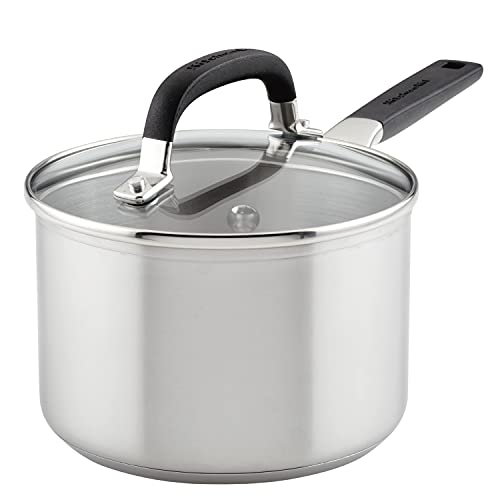
KitchenAid Induction Sauce Pan, 2-Quart
Silicone-grip riveted handle
Comfort-focused daily stirring

Refined Pick
Tramontina Boston Tri-Ply 2-Quart Sauce Pan
Clad walls spread heat evenly
Sauces, gravies, reheating
More Details On Our Top Picks
The Cuisinart 735-16OP keeps small stovetop jobs from feeling oversized. Its 1-quart capacity suits melted butter, warm syrups, and a sauce for two, while the curved saucier shape encourages a whisk to reach around the base.
A saucier has rounded interior walls rather than sharp corners, which matters for custards and cheese sauces that need frequent stirring. The pour spout and measurement marks add practical control, though this is clearly not the pan for a large pot of soup.
Strong Points
- One-quart size stores easily in a crowded cabinet.
- Rounded interior helps you stir sauces without missing corners.
- Rim spout supports cleaner transfers into mugs or serving dishes.
- Induction-ready construction suits mixed-cooktop kitchens.
Things To Consider
- The small capacity limits batch cooking.
- Owners commonly find mirror-polished steel benefits from prompt drying to reduce water spotting.
Key Specs
Who It Suits Best
You’ll get the most from this Cuisinart pan in a one- or two-person kitchen where sauces and hot drinks are frequent.
Where Another Pick Suits Better
LIANYU 3QT Saucepan with Lid suits family meals better because its larger vessel handles more soup, grains, and sauce at once.
Moving up from Cuisinart’s 1-quart saucier, the LIANYU offers room for weeknight portions without becoming a stockpot. Its 3-quart body is useful for oatmeal, rice, soup reheats, or a generous sauce alongside pasta.
The pan uses 18/10 stainless steel, a steel blend identified by its chromium and nickel content, with a thick flat base intended to spread heat across the cooking surface. You may find that wider base especially useful on electric and ceramic hobs, where full contact supports steadier heating.
What We Like
- Three-quart capacity gives you useful room for everyday sides.
- 18/10 stainless construction resists rust with ordinary care.
- Flat, thick base is made for more even stovetop contact.
- Compatible with electric, ceramic, gas, and induction surfaces.
- Included lid helps retain heat during gentle simmering.
Worth Noting
- A larger pan takes more cabinet space than the Cuisinart 735-16OP.
- Stainless interiors need preheating and enough cooking fat for foods prone to sticking.
- Handwashing shortly after cooking can make dried-on residue easier to remove.
Feature Snapshot
Made For
This is a sensible match for home cooks making sauces, grains, and reheated meals for two to four people.
Consider Something Else When
Tramontina Boston Tri-Ply 2-Quart Sauce Pan suits sauce-focused cooks who prefer heat-spreading layers running up the pan walls.
Controlled pouring is the central appeal of the Cuisinart 7193-20P. Like the smaller 735-16OP, it includes measurement marks and a shaped pouring rim, but this 3-quart version adds a cover designed for draining.
Two drain-hole sizes give you a choice between holding back fine foods and releasing water more quickly. For most kitchens, that makes it a convenient pan for pasta, boiled vegetables, and soups that need pouring without reaching for a separate colander.
Highlights
- Drain-capable cover reduces the need for an extra strainer on small pasta portions.
- Two hole sizes offer more control over what stays in the pan.
- Three-quart capacity supports regular dinner prep.
Trade Offs
- The draining lid adds parts to align before pouring.
- Food particles can collect around lid openings, so rinse them promptly after use.
- A mirror finish can show fingerprints and mineral spots.
- Its straight-sided profile does not whisk sauces as easily as the 735-16OP saucier.
Right Fit For
You’ll appreciate this Cuisinart pan most when compact pasta servings and drainable vegetables appear often in your dinner routine.
Not Your Match When
Ohtomber 2.5 Qt Tri-Ply Saucepan suits you better for vegetable steaming because it includes a dedicated basket.
The Ohtomber takes a different route from the draining Cuisinart 7193-20P by bringing steaming into the same set. Its basket and lid add another use for a 2.5-quart pan, which can help in kitchens where every cabinet item needs to work harder.
Tri-ply means three bonded layers: stainless steel inside, aluminum in the middle, and magnetic stainless steel outside. That aluminum core is intended to distribute heat more evenly, while the exterior allows induction compatibility.
Upsides
- Steamer basket supports vegetables without adding a separate pot.
- 2.5-quart size works for modest sides and sauces.
- Aluminum core helps spread heat beyond the base.
- Magnetic exterior supports induction cooking.
- 18/8 stainless inner layer provides a stainless cooking surface.
- Lid expands its simmering use.
Minor Gripes
- The basket requires extra storage room and washing after use.
Technical Sheet
Best Suited To
This pan fits compact kitchens where you regularly steam vegetables alongside sauces or grains.
Look Elsewhere When
KitchenAid Induction Sauce Pan, 2-Quart suits you more when a silicone-grip handle matters more than a steamer insert.
Handle comfort gets more attention here than on the Ohtomber, thanks to a dual-riveted handle finished with a silicone grip. That detail may matter during a long stir at the stove, especially with a two-quart pan used for thicker sauces or oatmeal.
An aluminum-core base is designed to move heat across the pan quickly, while etched measuring marks let you portion liquids in the vessel. The brushed stainless exterior is less mirror-like than both Cuisinart pans, which can be a welcome detail for kitchens where fingerprints are annoying.
Standout Traits
- Silicone-grip handle gives you a more insulated hold at the stovetop.
- Dual rivets support the handle’s attachment to the pan body.
- Etched measurements reduce the need to dirty a measuring jug.
- Aluminum-core base is built for quick, even heat movement.
Room For Improvement
- Two quarts may feel restrictive for family-size soups.
- Silicone handle areas need a careful wipe-down after splatters.
Who Will Love This
You’ll value this KitchenAid model in a daily-use kitchen where a secure-feeling handle and in-pan measuring marks make prep easier.
A Better Fit Elsewhere
Cuisinart 7193-20P 3-Quart Pour Saucepan suits you better for draining pasta or vegetables directly from the covered pan.
Tramontina’s two-quart pan is aimed squarely at sauce work, gravies, and soup reheats. Compared with KitchenAid’s aluminum-core base, its tri-ply clad build carries the aluminum layer through the sides as well as the bottom, supporting more consistent heat around the vessel.
The cast stainless handle is riveted for support and shaped for a more ergonomic hold. The honest read is that a fully clad pan is most useful for cooks who frequently manage sensitive sauces, rather than someone who only heats a cup of soup now and then.
Bright Spots
- Clad construction carries heat-spreading aluminum along the walls.
- Two-quart capacity fits gravies, sauces, and smaller soup portions.
Points To Note
- Cast stainless handles can feel warmer during extended stovetop use than silicone-covered handles.
- Stainless cookware keeps its finish looking cleaner with prompt washing and drying.
- No steamer basket is included, unlike the Ohtomber 2.5 Qt Tri-Ply Saucepan.
Quick Facts
Built With In Mind
This Tramontina pan suits cooks who make reductions, gravies, and stovetop sauces often enough to value sidewall heat distribution.
Another Choice May Suit
Cuisinart 735-16OP 1-Quart Pour Saucier is a better match for single servings and very small sauce batches.
What Matters Before Choosing Stainless Saucepans
Capacity That Matches Your Routine
A 1-quart pan works well for butter, syrups, and sauces for one or two. Two to three quarts make more sense for grains, reheated soup, and side dishes. Your cabinet space matters too, since a pan that is awkward to store tends to get less use.
Base Construction and Heat Control
An aluminum core moves heat more readily than stainless steel alone. A thick base supports even heating across the bottom, while tri-ply clad construction extends that aluminum layer into the sidewalls. Frequent sauce makers benefit most from the latter, particularly for reductions that cook along the pan’s edges.
Lid, Spout, and Extra Functions
A lid helps manage simmering and heat retention. A pour spout can make transferring sauce or hot drinks tidier, while a draining lid is useful for small pasta portions. A steamer basket adds capability, but it also creates another part to clean and store.
Handle and Surface Care
Riveted handles are mechanically attached to the pan, which provides firm support but leaves small areas around the rivets that need cleaning. Silicone grips can feel more comfortable during cooking, while bare stainless handles keep a traditional all-metal design. For cleaner release, preheat the pan, add fat, and avoid rushing cold food onto a hot stainless surface.
A Few Practical Things to Know
Common Shopping Slip Ups
Choosing capacity by appearance alone often leads to a pan that is too small for your usual portions. Match the pan to your largest routine task, not just a single sauce serving.
Where the Extra Money Goes
Higher-tier designs often add aluminum through the pan walls, more substantial handles, and tighter construction details. That upgrade makes the most sense for frequent stovetop cooking where controlled heat matters.
Frequently Asked Questions
Are Stainless Saucepans Suitable for Induction Cooktops?
Only pans with a magnetic base work on induction. Check the listing for induction compatibility before choosing.
Why Does Food Stick to Stainless Steel?
Sticking often happens when the pan is not fully preheated or food is moved too early. A little cooking fat and steady heat help improve release.
Is a 2-Quart Saucepan Large Enough for Soup?
A 2-quart pan handles smaller soup portions and reheating tasks well. Larger family batches generally need a 3-quart pan or more.
What Does Tri-Ply Construction Mean?
Tri-ply construction bonds three layers into the pan body. Stainless steel forms the interior and exterior, with aluminum between them to distribute heat.
How Do You Clean Water Spots From Stainless Steel?
Drying the pan shortly after washing helps prevent mineral marks. A gentle stainless-steel cleaner can help restore the finish where spots remain.
Closing Remarks
Your strongest choice comes down to the jobs you repeat every week. Choose the Cuisinart 735-16OP for compact sauce work, the LIANYU or Cuisinart 7193-20P for larger daily portions, and a tri-ply option for more deliberate heat control. A saucepan that fits your cooktop, storage space, and usual meal size will feel useful from the first week.
