
Book Appointment Now

8 Best Soup Pans for 2026: Made for Busy Kitchens

Your right soup pan depends less on a long feature list and more on what reaches your stove each week. Small 1.5-quart saucepans suit reheating broth, warming a single serving, and making gravy, while 6- and 8-quart stock pots make room for family soups, pasta, and batch cooking. This list separates compact nonstick options from larger ceramic and stainless-steel pots, so your cabinet space and cooking routine lead the choice.
A Quick Look at Eight Kitchen-Friendly Options
PickWhy We Picked ItBest ForAction

Compact Choice
SENSARTE Ceramic Nonstick Sauce Pan 1.5 Quart White
White ceramic compact pan
Single-serving soups

Everyday Favorite
SENSARTE Ceramic Nonstick Sauce Pan 1.5 Quart
Ceramic surface and lid
Daily small portions

Practical Pick
SENSARTE Nonstick Sauce Pan 1.5 Quart
Induction-ready small format
Compact induction kitchens

Heavy Duty Pick
BEZIA 8QT Non Stick Stock Pot with Lid Ceramic
Large ceramic meal pot
Batch soup cooking
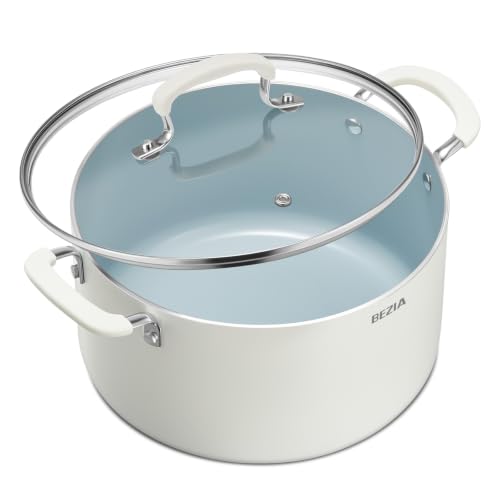
Well Rounded Pick
BEZIA 8QT Non Stick Stock Pot with Lid
Spacious lidded capacity
Family meal preparation

Upgrade Pick
COOKER KING 3 Quart Stainless Steel Saucepan with Lid
Tri-ply steel construction
Frequent sauce making

Design Standout
CAROTE Nonstick Stock Pot with Lid 6 Quart White Granite
White granite-style finish
Medium family portions

Balanced Choice
CAROTE Nonstick Stock Pot with Lid 6 Quart Black Granite
Lightweight aluminum body
Everyday larger batches
More Details On Our Top Picks
A 1.5-quart pan earns its place through small jobs, not oversized batches. This white SENSARTE option gives you a lidded ceramic nonstick cooking surface, an induction-ready base, and a handle intended to remain cooler during normal stovetop use.
You get enough space for a mug-sized lunch soup, a modest sauce, or reheating leftovers without washing a large pot. In a small apartment kitchen, its compact scale may feel much more useful than a six-quart stock pot.
Strong Points
- 1.5-quart capacity avoids oversized cookware for small reheating tasks.
- Ceramic nonstick interior helps food release with less scrubbing afterward.
- Induction compatibility suits mixed stovetop households.
Things To Consider
- The small volume limits you to individual portions or modest side dishes.
- You may want silicone or wood utensils to help preserve the coated cooking surface.
Key Specs
Who It Suits Best
You benefit most from this SENSARTE pan when your routine centers on one or two servings and compact cabinet storage.
Where Another Pick Suits Better
BEZIA 8QT Non Stick Stock Pot with Lid Ceramic suits your kitchen better for weekly soup batches and meals shared across several bowls.
Like the white version above, this SENSARTE saucepan keeps the focus on 1.5-quart cooking and a ceramic nonstick interior. A lid and stay-cool handle make it a sensible shape for gently warming soup, melting butter, or reducing a sauce beside your main pan.
The difference is mainly presentation rather than capacity, so your kitchen color preference can decide between the two. For most compact kitchens, that straightforward approach is enough.
What We Like
- Lid helps retain heat while soup warms at a gentle pace.
- Stay-cool handle supports more comfortable stovetop handling.
Worth Noting
- A 1.5-quart pot does not replace a family-size soup vessel.
- Coated interiors generally benefit from hand washing and careful stacking.
- You may find the small footprint limiting during pasta or stock preparation.
Made For
You get the most from this option when quick sauces, oatmeal, and lunch-size soup portions fill your weekday cooking routine.
Consider Something Else When
COOKER KING 3 Quart Stainless Steel Saucepan with Lid suits you more when three-quart capacity and a steel exterior matter for frequent cooking.
This SENSARTE model moves away from the ceramic description of the first two pans while retaining the same compact 1.5-quart format. Its listed nonstick surface, lid, stay-cool handle, and induction compatibility target everyday small-pot work without adding bulk.
You may prefer this version where an induction burner handles most meals and a small saucepan stays in frequent rotation. The honest read is that capacity, not coating type, remains the deciding limit.
Highlights
- Induction-ready construction fits modern cooktop layouts.
- Compact capacity works well for reheating broth without filling a large sink.
- Lidded design helps you manage splatter during small sauces.
- Stay-cool handle adds convenience during repeated stirring.
Trade Offs
- Small batches can require multiple rounds for family meals.
Technical Sheet
Right Fit For
You will appreciate this pan most in an induction-equipped kitchen where small portions appear on the menu several times a week.
Not Your Match When
CAROTE Nonstick Stock Pot with Lid 6 Quart Black Granite makes more sense for larger soups that need several servings in one pot.
Capacity changes the job entirely, and this BEZIA stock pot holds eight quarts rather than the 1.5 quarts of the SENSARTE pans. That room suits whole-chicken soup, pasta water, blanching vegetables, or several nights of meal preparation.
Ceramic nonstick coating pairs with silicone side handles and compatibility across stovetop types. In a busy family kitchen, the generous volume may be the feature that matters long after the novelty of a new finish fades.
Upsides
- Eight-quart capacity accommodates multi-serving soup and stew recipes.
- Silicone handles offer a more comfortable grip while moving a filled pot.
- Works across different stovetop types, including induction.
- Oven compatibility expands your options for recipes finished away from the burner.
- Ceramic nonstick interior can reduce stuck-on residue after long simmers.
Minor Gripes
- A filled eight-quart pot needs a clear, sturdy storage spot.
- You may prefer hand washing to keep the ceramic surface looking tidy over time.
Feature Snapshot
Who Will Love This
You benefit most here when your meal plan includes family soup, chili, boiled pasta, or vegetables prepared in bulk.
Look Elsewhere When
SENSARTE Ceramic Nonstick Sauce Pan 1.5 Quart White fits your needs better for a small daily lunch portion and limited cabinet space.
This second BEZIA stock pot also centers on an eight-quart lidded format and ceramic induction cookware design. You get the same broad use case as item four: soups, stews, pasta, and meal portions intended to stretch across several servings.
Its appeal is uncomplicated. You need a deep pot that can handle a weekend cooking session without forcing batches, and this capacity answers that need directly.
Standout Traits
- Eight quarts leave useful headroom for broth and ingredients.
- Lid supports longer simmers with less moisture escaping.
- Ceramic nonstick cooking surface can make cleanup easier after thick soups.
Room For Improvement
- The large profile can be awkward in shallow drawers or crowded cupboards.
- Large pots take more time to wash, even with a nonstick interior.
- You may find a six-quart CAROTE easier for routine weeknight portions.
Built With In Mind
You should consider this BEZIA pot for a kitchen where soup, pasta, and make-ahead meals regularly feed three to five people.
A Better Fit Elsewhere
CAROTE Nonstick Stock Pot with Lid 6 Quart White Granite better suits you when a medium-size pot feels easier to lift and store.
COOKER KING brings a different construction approach than the compact SENSARTE pans: tri-ply stainless steel. Tri-ply means three bonded layers of metal, a build intended to distribute heat more evenly than a single thin metal layer.
The three-quart capacity lands between a personal saucepan and a stock pot, which suits sauces, grains, and soup for two. A laser-etched hybrid surface combines exposed steel with ceramic nonstick material, though you may still prefer gentler utensils for long-term surface care.
Bright Spots
- Three-quart size gives you more room than the 1.5-quart SENSARTE choices.
- Tri-ply steel construction targets steadier heat across the pan base.
- Hybrid cooking surface supports browning alongside easier cleanup.
- Metal-utensil compatibility adds flexibility during active cooking.
- Dishwasher and oven compatibility simplify varied kitchen routines.
- Induction-ready design works across all stovetop types.
Points To Note
- Stainless-steel construction may feel heavier than aluminum-based alternatives.
Quick Facts
The Right Fit
You will get strong value from this pan when your cooking includes sauces and two-person soups that benefit from a three-quart vessel.
Skip It When
BEZIA 8QT Non Stick Stock Pot with Lid Ceramic suits you better for large-batch stock, blanching, and meal preparation across several days.
A six-quart stock pot often hits a practical middle ground between the 3-quart COOKER KING saucepan and BEZIA’s eight-quart options. This CAROTE version uses a white granite-style nonstick finish, a lid, and compatibility across stovetops.
Its enlarged triple-layer heating area is designed for quicker, more even warming. For most weeknight kitchens, six quarts provides meaningful soup capacity without the storage demand of an eight-quart pot.
Reasons To Buy
- Six-quart volume suits soup, pasta, and medium meal-prep portions.
- Granite-style nonstick interior can reduce residue after simmered recipes.
- Dishwasher compatibility supports easier cleanup after a busy dinner.
- All-stove compatibility keeps your cookware useful through kitchen changes.
Softer Spots
- White cookware may show sauce splashes or exterior marks more readily.
- You may want to avoid abrasive cleaning pads around the nonstick finish.
Whose Shelf It Belongs On
You will find this CAROTE pot most useful for recurring family dinners where six quarts is enough without creating excessive leftovers.
Another Choice May Suit
CAROTE Nonstick Stock Pot with Lid 6 Quart Black Granite may suit you more when a darker granite-style exterior better matches your kitchen.
This black CAROTE option carries the same six-quart class as the white granite version but specifies reinforced die-cast aluminum construction. Die-cast aluminum is metal formed in a mold under pressure, giving cookware a shaped body while keeping weight manageable.
Its enlarged triple-layer heating area aims to spread heat quickly and evenly. You may appreciate the darker exterior in a high-use kitchen where visible marks on pale cookware would bother you.
Plus Points
- Six-quart capacity serves medium batches without the bulk of an eight-quart pot.
- Die-cast aluminum body keeps the pot more manageable during pouring.
- Triple-layer heating area supports more even warming for soup and sauces.
- Black granite-style finish gives your stove a darker, understated look.
- Lid helps manage simmering and retain moisture.
Small Caveats
- Aluminum-based cookware may not suit you when a heavier steel build is your preference.
- Nonstick surfaces benefit from careful storage so rims and utensils do not rub the interior.
- The six-quart format may feel small for large holiday batches.
Feature Rundown
Who Should Grab It
You benefit most from this CAROTE pot when you want a lighter six-quart option for soup, simmering, and regular pasta nights.
Reach For A Different Pick When
COOKER KING 3 Quart Stainless Steel Saucepan with Lid fits you better for smaller meals and a tri-ply stainless-steel construction.
What Matters Before Choosing Soup Pans
Match Capacity to Your Usual Batch
A 1.5-quart saucepan works for a single bowl of soup, melted butter, or a small sauce. Three quarts gives you more room for two-person meals, while six and eight quarts make sense for family servings, pasta water, and leftovers. Large capacity sounds useful until storage and lifting become part of every meal.
Check Your Cooktop First
Induction cooktops need cookware with an induction-compatible base. Every item here lists induction use or all-stovetop compatibility, but your current cooking routine still matters because a small pan heats and handles very differently from a wide stock pot.
Consider the Interior and Cleanup Routine
Ceramic and granite-style nonstick interiors can make sticky soups and creamy sauces easier to clean. Stainless steel offers a different feel and can suit frequent browning, though you may need more attention during cleanup. Hand washing and nonabrasive tools usually help coated interiors remain presentable.
Think About Handles and Lids
A lid helps control evaporation during longer soup recipes. Side handles matter more as capacity rises, because an eight-quart pot becomes substantially heavier once broth and ingredients are inside. Your grip, cabinet layout, and cooking frequency should guide the final size.
A Few Practical Trade-Offs
Common Shopping Slip Ups
You can avoid buying too much pot by measuring your usual batch rather than choosing the largest capacity. A small saucepan cannot cover family soup night, while an eight-quart pot can feel cumbersome for one bowl.
Where The Extra Money Goes
Higher-tier cookware often adds layered metal construction, broader oven compatibility, or surfaces built for more varied utensil use. You benefit from those additions when you cook frequently and need a pan that moves between stovetop tasks.
Frequently Asked Questions
What size soup pan works for one person?
A 1.5-quart saucepan suits a single serving or small leftovers. You may want three quarts for extra ingredients and room to stir.
Is a stock pot useful for soup only?
No, you can also use it for pasta, blanching vegetables, chili, and stews. A lid makes longer simmering tasks easier to manage.
Why does induction compatibility matter?
Induction cooktops require cookware that works with magnetic heat transfer. An induction-ready pan gives you flexibility across compatible stovetops.
Are ceramic nonstick pans suitable for soups?
Yes, ceramic nonstick interiors can make cleanup easier after soup and sauce recipes. You should use nonabrasive cleaning tools to support surface care.
Should you choose six or eight quarts?
Six quarts suits regular family meals and moderate leftovers. Eight quarts suits larger gatherings, batch cooking, and recipes with bulky ingredients.
Final Thoughts
Your most useful choice comes down to batch size. Choose a SENSARTE 1.5-quart pan for small daily portions, the COOKER KING three-quart saucepan for more cooking flexibility, or a CAROTE or BEZIA stock pot for larger soup sessions. A pot that fits your usual meal is the one that will stay within easy reach.
