Book Appointment Now

How to Cook Healthy Meals Without Losing Flavor

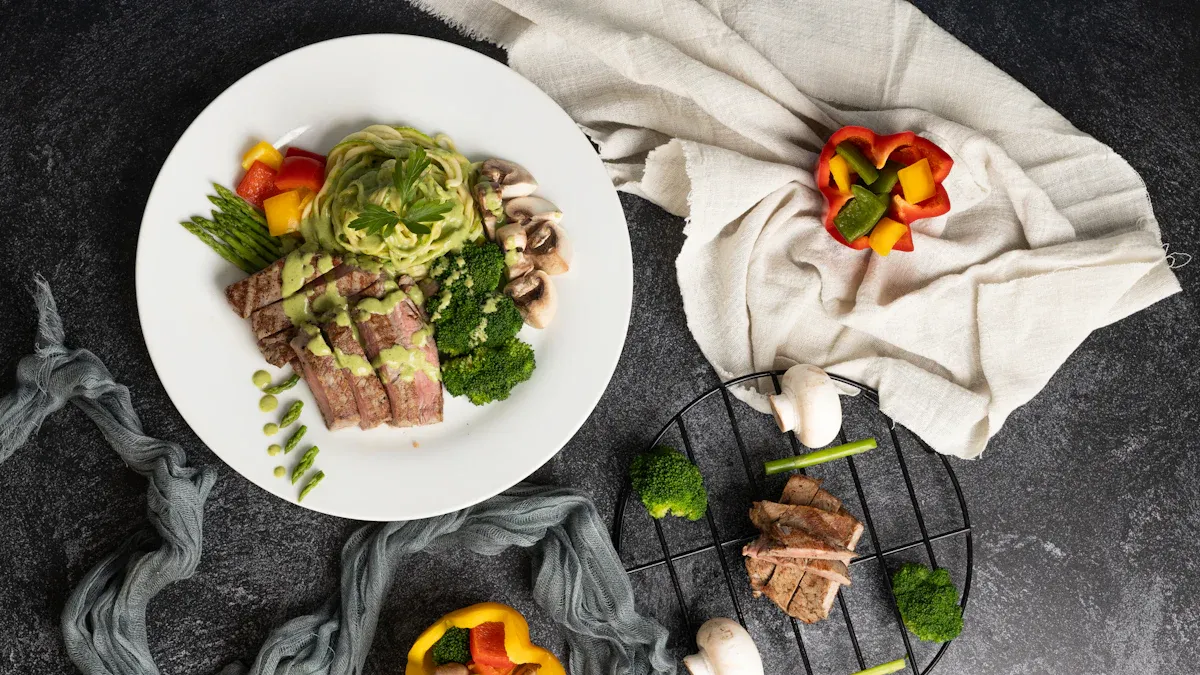
Many people believe that healthy meals lack flavor, but that couldn’t be further from the truth! Flavor is essential for making your healthy meals enjoyable. When you cook healthy meals, you don’t have to sacrifice taste. In fact, studies show that flavor influences your food choices and acceptance, encouraging healthier eating habits. With a few clever techniques and the right ingredients, you can create dishes that are not only nutritious but also bursting with flavor. So, let’s dive into how you can elevate your healthy cooking game!
Key Takeaways
Start with lean proteins like chicken or tofu to create a nutritious base for your meals.
Understand flavor profiles—sweet, salty, sour, bitter, and umami—to enhance the taste of your dishes.
Swap traditional fats for healthier options like olive oil or avocado oil to improve flavor and health benefits.
Choose whole grains over refined grains to add more nutrients and fiber to your meals.
Use fresh herbs and flavorful spice blends to boost taste without adding extra salt.
Healthy Flavor Basics
Lean Proteins
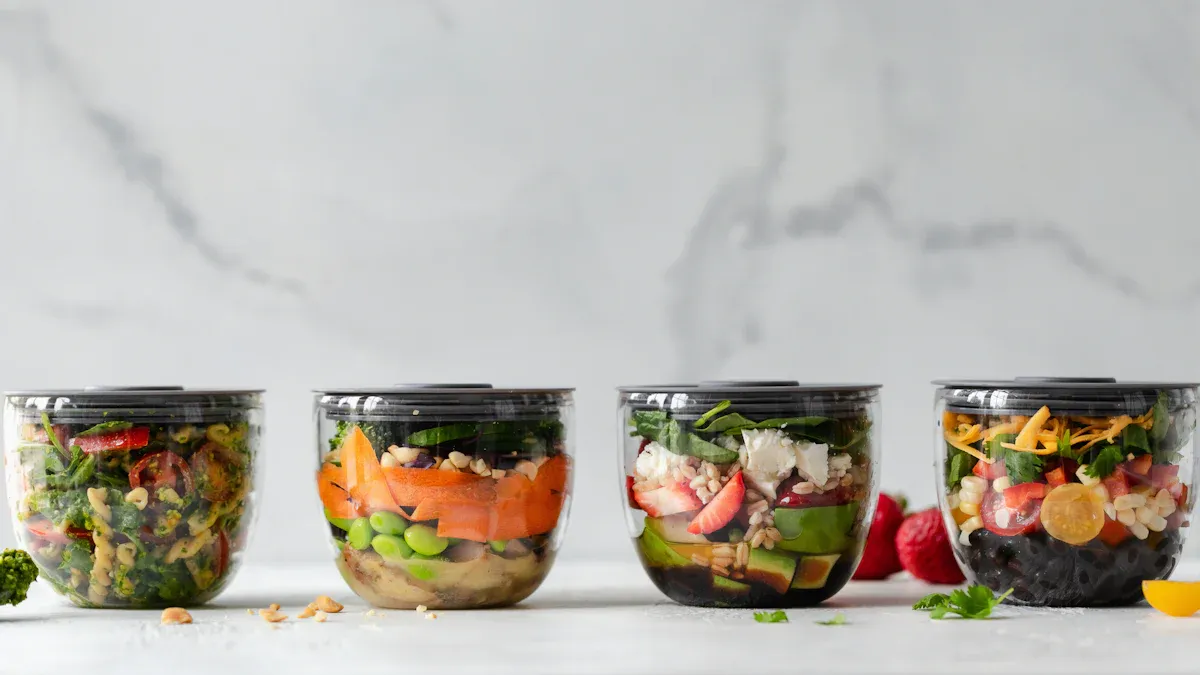
When you cook healthy meals, starting with lean proteins is crucial. Lean proteins like chicken breast, turkey, and tofu not only provide essential nutrients but also help you feel full and satisfied. Here’s a quick look at the benefits of these protein sources:
Protein Source | Protein (g) | Total Fat (g) | Key Nutrients |
|---|---|---|---|
Chicken Breast | 21 | 3.5 | Iron, Zinc, Magnesium, B Vitamins |
Tofu | 8 | 4 | Calcium, Iron, Zinc, Magnesium, Potassium |
Chicken is higher in protein and B vitamins, supporting muscle mass and brain function.
Tofu is a good source of healthy fats and contains minerals like zinc and magnesium, beneficial for blood pressure and muscle function.
Both proteins contribute to overall health and should be included in a balanced diet.
By incorporating these lean proteins into your meals, you can enjoy a nutritious base that enhances the overall flavor of your dishes.
Understanding Flavor Profiles
Understanding flavor profiles is key to making your meals taste better. The five main flavor profiles—sweet, salty, sour, bitter, and umami—each play a unique role in cooking. Here’s how they work together:
Sweet balances bitterness.
Salty enhances other flavors.
Sour adds brightness.
Bitter provides depth.
Umami contributes richness.
By recognizing these interactions, you can create balanced and flavorful dishes. For example, think about a Thai curry. It combines sweetness from coconut milk, savoriness from fish sauce, spiciness from curry paste, and sourness from lime juice. This balance leads to a more harmonious taste experience.
When you understand flavor profiles, you can identify missing elements in your dishes. This knowledge allows you to experiment and innovate, elevating your cooking skills. So, next time you’re in the kitchen, think about how you can mix these flavors to create something truly delicious!
Flavorful Ingredient Swaps
Healthier Fats
When you think about cooking healthy meals, swapping out traditional fats for healthier options can make a big difference. Instead of butter or margarine, consider using olive oil or avocado oil. These fats not only taste better but also offer health benefits. Here’s a quick comparison of these fats:
Type of Fat | Source | Health Benefits |
|---|---|---|
Monounsaturated | Olive Oil | Improves cholesterol levels, reduces heart disease risk |
Monounsaturated | Avocado Oil | Improves cholesterol levels, reduces heart disease risk |
Saturated | Butter | Raises LDL cholesterol, increases heart disease risk |
Saturated | Margarine | Raises LDL cholesterol, increases heart disease risk |
Using healthier fats can enhance the flavor and texture of your dishes. For example, olive oil adds a rich, fruity taste to salads and roasted vegetables. Avocado oil has a mild flavor that works well in baking and sautéing. Plus, these oils provide stability at higher cooking temperatures, making them great for various recipes.
Here are some smart swaps to consider:
Coconut milk can replace heavy cream in many dishes. It offers a similar rich mouthfeel and adds a subtle coconut flavor, perfect for curries and desserts.
Greek yogurt is a fantastic alternative to sour cream. It has a tangy flavor and a thicker consistency. Just remember to keep the heat low when cooking with yogurt to prevent curdling.
Whole Grains vs. Refined Grains
Switching from refined grains to whole grains is another easy way to transform your favorite dishes. Whole grains like brown rice, quinoa, and barley provide more nutrients and fiber than their refined counterparts. Here’s a quick look at the nutritional differences between brown rice and white rice:
Nutrient | Brown Rice | White Rice |
|---|---|---|
Calories | 82 | 68 |
Protein (g) | 1.83 | 1.42 |
Total Fat (g) | 0.65 | 0.15 |
Carbohydrates (g) | 17.05 | 14.84 |
Fiber (g) | 1.1 | 0.2 |
Sugars (g) | 0.16 | 0.03 |
Calcium (mg) | 2 | 5 |
Iron (mg) | 0.37 | 0.63 |
Magnesium | Good source | Not a good source |
Whole grains not only provide more fiber, which aids digestion, but they also help you feel full longer. This can be a great way to cut down on calories while still enjoying delicious meals. Plus, whole grains add unique textures and flavors to your dishes. For instance, barley has a chewy texture that complements hearty soups, while quinoa adds a nutty flavor to salads.
By making these flavorful ingredient swaps, you can cook healthy meals that taste better without sacrificing flavor. So, next time you’re in the kitchen, think about how you can incorporate these healthier options into your recipes!
Herbs and Spices for Healthy Cooking
Fresh vs. Dried Herbs
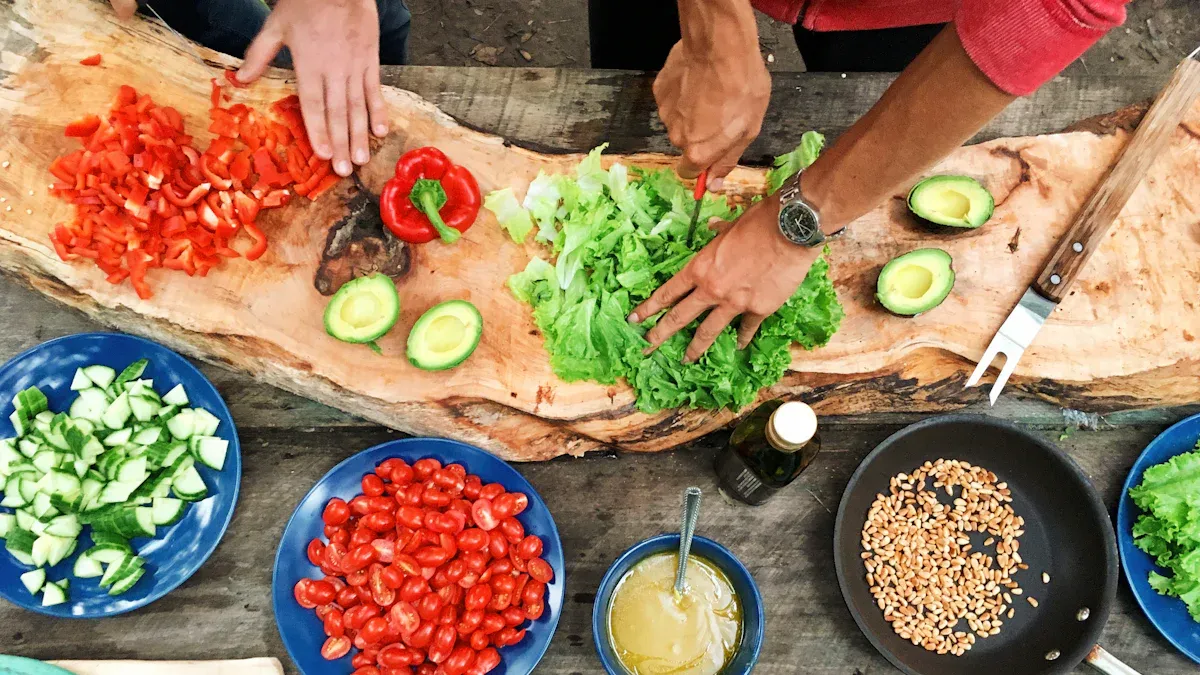
When you cook healthy meals, the choice between fresh and dried herbs can significantly impact flavor and nutrition. Fresh herbs bring a vibrant, herbaceous taste that can elevate any dish. On the other hand, dried herbs have a sharper, more concentrated flavor due to the drying process. Here’s a quick comparison of fresh and dried basil to illustrate their differences:
Nutrient | Fresh Basil | Dried Basil |
|---|---|---|
Vitamin C | 8% DV | 2% DV |
Vitamin A | 30% DV | 4% DV |
Vitamin K | 145% DV | 43% DV |
As you can see, fresh herbs often pack more vitamins than their dried counterparts. Chef Neil emphasizes that fresh herbs provide a ‘herbiest’ flavor, which is often lost in dried herbs. For best results, use one tablespoon of fresh herbs for every teaspoon of dried herbs. This way, you avoid overpowering your dish while still building flavor.
Flavorful Spice Blends
Spice blends can be a game-changer in your kitchen. They enhance flavor without adding salt, making them perfect for healthy cooking. Here are some popular spice blends you can try:
Spice Blend | Key Ingredients |
|---|---|
All-Purpose Salt-Free Seasoning | Dried onion powder, garlic powder, paprika, dried thyme, black pepper |
Homemade Italian Herb Seasoning | Dried oregano, basil, parsley flakes, garlic powder, onion powder, dried thyme, red pepper flakes |
Zesty Salt-Free Taco Seasoning | Chili powder, ground cumin, smoked paprika, garlic powder, onion powder, dried oregano, cayenne pepper |
Bold & Spicy Cajun Blend | Regular paprika, smoked paprika, garlic powder, onion powder, cayenne pepper, black pepper, dried oregano, dried thyme |
Savory Ranch-Flavored Mix | Dried parsley flakes, dried dill weed, dried chives, garlic powder, onion powder, black pepper, nutritional yeast |
Warming Curry Powder Blend | Ground turmeric, coriander, cumin, ground ginger, black pepper, ground fenugreek, mustard powder |
Using these blends can help you reduce sodium intake while still enjoying flavorful meals. Research shows that incorporating herbs and spices can enhance the perception of saltiness, allowing you to cut sodium by up to 50% without sacrificing taste. This is especially beneficial for those who need to manage their sodium levels.
By experimenting with fresh herbs and flavorful spice blends, you can create delicious, healthy meals that satisfy your taste buds!
Cooking Methods That Preserve Flavor
When it comes to healthy cooking, the methods you choose can make a big difference in flavor and nutrition. Grilling, roasting, baking, and broiling are fantastic options that enhance the natural tastes of your ingredients while keeping them healthy.
Grilling and Roasting
Grilling and roasting are two methods that can bring out rich flavors in your meals. Grilling allows fat to drip away, making it a healthier option compared to frying. Plus, it creates those beautiful grill marks that add a smoky flavor. Roasting, on the other hand, enhances both flavor and texture with minimal oil. It caramelizes the natural sugars in vegetables, creating a sweet and savory taste. Here are some benefits of these methods:
Grilling:
Produces a high flavor enhancement.
Allows excess fat to drip off, making meals lighter.
Roasting:
Creates a crispy exterior while keeping the inside tender.
Requires little to no added fat, preserving nutrients.
Baking and Broiling
Baking and broiling are also excellent choices for healthy cooking. Baking cooks food evenly without added fats, which helps retain nutrients. You can bake everything from chicken to vegetables, allowing for creative recipes that are both delicious and nutritious. Broiling uses high heat from above, which can create a nice crust on proteins and vegetables, enhancing their flavors. Here’s how these methods stack up:
Baking:
Retains nutrients like potassium and vitamin C.
Works well for healthy swaps like using whole grains or adding flavorful toppings.
Broiling:
Quickly cooks food while enhancing its natural flavors.
Ideal for achieving a crispy texture without excess oil.
By using these cooking methods, you can create meals that are not only healthy but also packed with flavor. So, next time you’re in the kitchen, consider grilling, roasting, baking, or broiling your ingredients for a delicious twist on your favorite recipes!
You’ve learned that healthy meals can be bursting with flavor! By using lean proteins, flavorful ingredient swaps, and fresh herbs, you can create delicious dishes. Remember, experimenting with new techniques and natural food options can make cooking fun and enjoyable.