
Book Appointment Now

10 Common Cooking Mistakes and How to Avoid Them

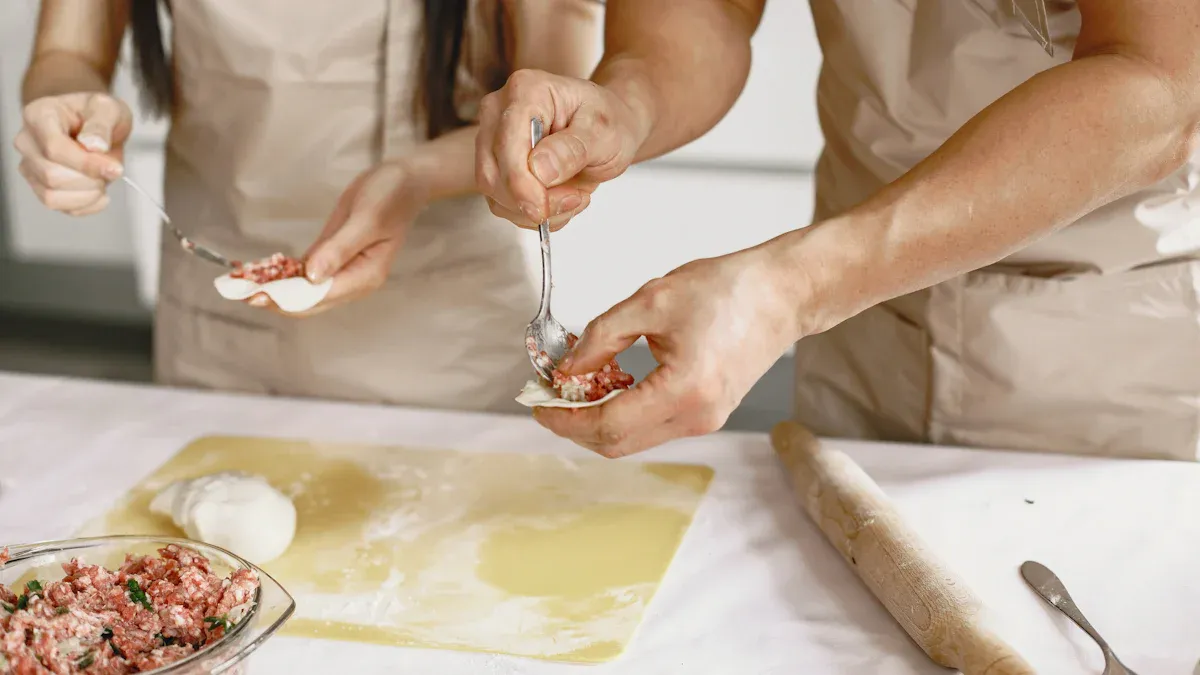
Cooking is a journey filled with learning opportunities. Did you know that 75% of home cooks admit to making common cooking mistakes? These errors can ruin meal quality and lead to disappointment. Recognizing these mistakes is vital. It helps you improve your skills and create more delicious dishes. Embrace the chance to learn from your cooking experiences!
Key Takeaways
Always read the entire recipe before cooking. This helps you understand the steps and avoid mistakes.
Avoid overcrowding the pan to ensure even cooking. Give your food space to sear and develop the right texture.
Keep your knives sharp to prevent accidents and improve the quality of your cuts. A sharp knife makes cooking safer and easier.
Ignoring Recipes
Understanding Instructions
When you cook, following a recipe can make all the difference. Many home cooks have shared their frustrations online, revealing how misunderstanding recipe instructions led to culinary disasters. You might end up with watery eggs or scorched casseroles if you skip this step. A well-structured recipe includes essential details like ingredients, measurements, and methods. Misunderstanding these can lead to poor execution. Clear instructions help you avoid last-minute scrambling and ensure you grasp the necessary steps.
Effective Recipe Reading
To avoid the common pitfall of not following a recipe, here are some tips for effective recipe reading:
Always read the entire recipe first. This helps you avoid confusion and ensures you have all necessary ingredients.
Plan out the recipe in your mind beforehand. This way, you can ensure you have enough of each ingredient and understand the steps.
Embrace recipes as a foundation for your cooking. They allow you to develop your skills and adapt dishes as you gain confidence.
Remember, ignoring recipes can lead to soggy pasta or other cooking mishaps. So, take the time to read and understand what you’re making. It’s a simple step that can elevate your cooking game!
Overcrowding the Pan
Uneven Cooking
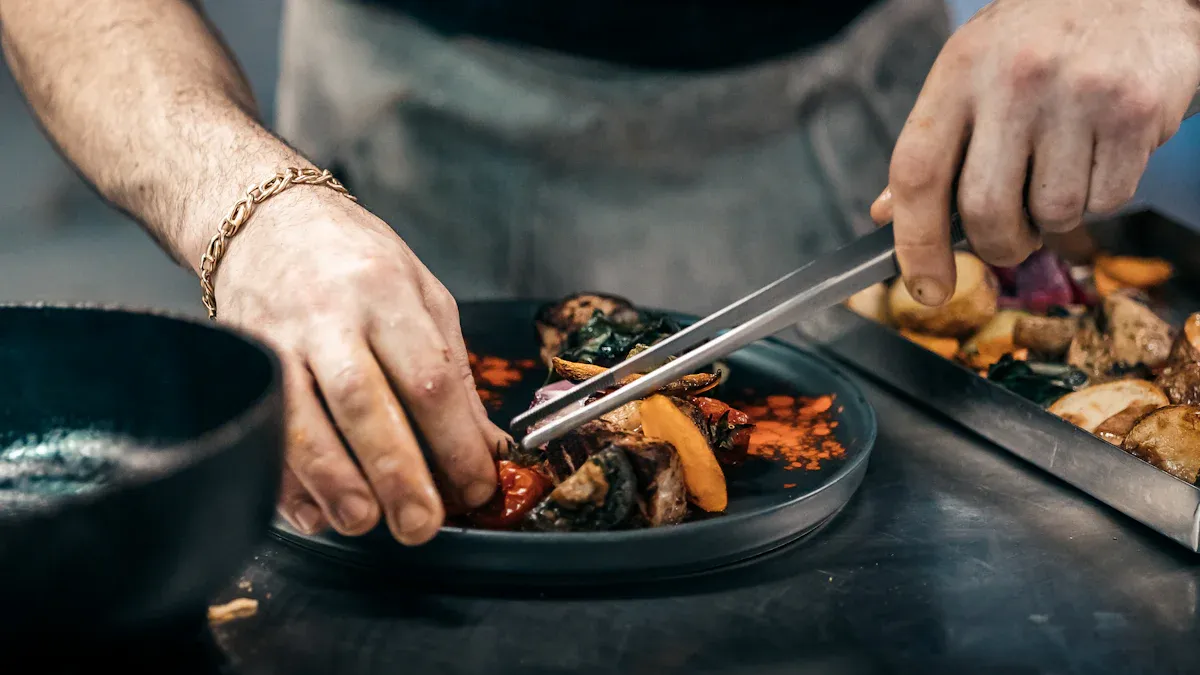
When you overcrowd the pan, you might think you’re maximizing your cooking efficiency. However, this common mistake can lead to uneven cooking. Why? Overcrowding the pan decreases heat, causing your food to steam instead of sear. This steaming effect can ruin the texture of your dish, leaving it soggy rather than crispy. Imagine biting into a piece of chicken that should be golden brown but instead feels like a wet sponge. Not exactly appetizing, right?
Proper Pan Space
To avoid the pitfalls of overcrowding the pan, consider these best practices for maintaining proper pan space:
Use vertical storage: Hang pots and pans on racks or pegboards. This keeps your cooking area organized and allows you to access your cookware easily.
Maximize wall space: Install shelves or hooks to store large pots and utensils. This frees up counter space for food prep.
Position cookware wisely: Keep pots and pans close to your cooking range. Drawers beneath the range can hold your most-used items, making it easier to grab what you need.
By following these tips, you can ensure that your food cooks evenly and achieves that perfect texture. Remember, a little space goes a long way in the kitchen!
Using Dull Knives
Risks of Dull Knives
Using dull knives can lead to serious kitchen accidents. In fact, 67% of kitchen accidents involve dull or damaged knives. When you cut with a dull blade, you exert more force, which increases the chance of slipping and injuring yourself. Plus, a dull knife damages the cellular structure of your ingredients. This results in bruising and moisture loss, making your food look less appealing and affecting its flavor. You want your meals to shine, not suffer from the consequences of ignoring knife skills!
Knife Maintenance
Keeping your knives sharp is easier than you think. Here are some tips to maintain their sharpness:
Regular Honing: Use honing steel before each use to keep the blade sharp.
Proper Storage: Store knives properly to prevent damage. Avoid jumbled drawers that can dull the blades.
Correct Cutting Techniques: Use appropriate techniques to avoid dulling the blade.
Cleaning and Drying: Clean knives immediately after use and dry them properly to prevent rust.
Avoid Dishwasher: Never place knives in the dishwasher. The heat and movement can damage them.
By following these simple maintenance tips, you can ensure your knives stay sharp and ready for action. A sharp knife not only makes cooking easier but also enhances the quality of your dishes. So, take care of your knives, and they’ll take care of you!
Neglecting Seasoning and Tasting
Tasting Your Food
Tasting your food is one of the most crucial steps in cooking. It allows you to check if your dish has the right balance of flavors. When you skip this step, you risk ending up with under-seasoned or over-seasoned dishes. Imagine biting into a bland soup or a dish that’s too salty! To avoid these pitfalls, make it a habit to taste as you go. This practice helps you adjust flavors and ensures a well-rounded final dish. Remember, seasoning is essential for adding depth and flavor. So, don’t hesitate to grab a spoon and give your dish a quick taste!
Adjusting Flavors
If you find that your dish needs a little something extra, here are some strategies to adjust flavors effectively:
Balancing Flavors: Add acids like lemon juice or vinegar to brighten up overly rich dishes. A touch of sweetness can counteract bitterness.
Fixing Common Flavor Mistakes: If your dish is too salty, try adding a splash of vinegar or a bit of sugar to balance it out. For overly sour dishes, a pinch of sugar can work wonders.
Advanced Techniques: Consider using infusions or reductions to enhance flavor depth. These methods can elevate your dish from good to great.
Finishing Touches: A sprinkle of fresh herbs or a dash of acid just before serving can bring your dish to life.
By incorporating these techniques, you’ll master the art of adjusting flavors and create meals that impress. Remember, neglecting seasoning and tasting can lead to disappointing results, so make it a priority in your cooking routine!
Not Prepping Ingredients
Ingredient Prep Benefits
Prepping your ingredients before you start cooking can save you time and stress. This practice, known as mise en place, means “everything in its place.” It helps you stay organized and focused. Here are some key benefits of ingredient prep:
Efficiency: You’ll spend less time searching for ingredients or tools while cooking.
Consistency: Prepping ensures that you use the right amounts of each ingredient, leading to better results.
Food Safety: Properly prepping ingredients reduces the risk of foodborne illnesses. When you keep everything organized, you minimize the chances of cross-contamination.
To illustrate the time-saving benefits, consider this table:
Step | Action |
|---|---|
Set Aside Time | Dedicate time twice a week for food preparation to ensure efficiency. |
Batch Cooking | Cook once for multiple meals, allowing for versatile use of ingredients throughout the week. |
Efficient Prepping Steps
Ready to get started? Here are some steps for efficient ingredient prepping:
Read over the recipe and develop a plan.
Gather all ingredients and organize kitchen tools on the countertop.
Dice, chop, slice, and mince all ingredients as required by the recipe.
Pre-measure and portion all ingredients into bowls.
Organize pre-portioned ingredients on the countertop in the order they are added to the recipe.
Clean as you go.
By following these steps, you’ll streamline your cooking process and enjoy a more pleasant experience in the kitchen. Remember, taking the time to prep your ingredients can make all the difference in your cooking journey!
Ignoring Cooking Times
Timing Errors
Timing errors can ruin your cooking efforts. If you don’t pay attention to cooking times, you might end up with a meal that’s either undercooked or overcooked. Here are some common timing mistakes and their consequences:
Common Timing Error | Consequence |
|---|---|
Not allowing the pan to get hot enough | Leads to uneven cooking and longer cooking times, resulting in improperly cooked food. |
Not allowing rice to steam after cooking | Results in gummy, sticky rice instead of fluffy grains. |
Attempting to cook tough meats quickly | Causes chewy, dry results as these cuts require low and slow cooking. |
Not using a meat thermometer | Increases the risk of overcooking or undercooking meat, leading to dryness or safety issues. |
Not allowing the meat to rest before carving | Results in dry meat when carved due to juices draining out. |
Monitoring Cooking
To avoid timing errors, you need effective tools and techniques for monitoring cooking times. Here are some helpful strategies:
Dedicated Timer for Baking: Keep a kitchen timer near your oven for quick adjustments.
Staggering Timers: Start the longest cooking task first and set subsequent timers to avoid timing issues.
Proper Thermometer Placement: Insert thermometers into the thickest part of meat for accurate readings.
Use Rest Times Wisely: Set timers for resting meats to ensure they finish cooking properly.
Program Your Timer for Prep Steps: Use timers for tasks like dough rising and marinating to avoid rushing.
By keeping an eye on cooking times, you’ll improve your dishes and avoid the frustration of timing errors. Remember, a little attention goes a long way in the kitchen!
Skipping the Resting Period
Importance of Resting
Resting your meat after cooking is crucial for achieving the best flavor and texture. When you let your meat rest, the muscle fibers relax and absorb moisture. This process prevents the loss of juices that happens when you cut into it right away. If you skip this step, you risk ending up with dry, tough meat. Not only does resting enhance tenderness, but it also improves the overall flavor of your dish. The same principle applies to baked goods, where resting allows moisture to redistribute, resulting in a better texture.
Resting Meat Properly
To ensure you get the most out of your resting period, follow these best practices:
Meat Type | Resting Time | Rise In Internal Temp |
|---|---|---|
Chicken, pieces | 0 minutes | 0°F |
Turkey, whole | 20-30 minutes | 5-10°F |
Pork butt | 2-4 hours | 5-10°F |
Rib roast (prime rib) | 15-30 minutes | 10-15°F |
Steaks, thin chops | 0-5 minutes | 5°F |
Let your meat rest for the recommended time to maximize juiciness and flavor. For example, a whole turkey benefits from a good 20-30 minutes of resting, allowing those delicious juices to settle back into the meat. Remember, if you cut into it too soon, you’ll lose all that flavor!
By incorporating these resting techniques, you’ll elevate your cooking game and impress your guests with perfectly juicy meat every time.
Overcooking Pasta
Consequences of Overcooking
Overcooking pasta can lead to some disappointing results. When you let it boil too long, the texture changes dramatically. Here’s what happens:
Overcooked pasta loses its firm texture and becomes mushy.
It can create a sticky consistency that hinders digestion.
Pasta cooked al dente, which means “to the tooth,” should be tender yet firm with a pleasant chew. If you overcook it, you might end up with a sticky dough that blocks digestion. Many times, pasta is incorrectly served with a dry center or a completely mushy texture. You want that subtle bite, so keep an eye on the clock!
Cooking Pasta Tips
To cook pasta perfectly, follow these tips from Italian chefs:
Salt Your Water Like the Sea: Properly salted water flavors the pasta itself, not just the sauce.
Never Add Oil to the Water: Adding oil creates a barrier that prevents sauce from sticking to the pasta.
Undercook It — Slightly: Pull the pasta out a minute earlier than the package instructions suggest. Finish cooking it in the sauce for that ideal al dente texture.
Reserve That Pasta Water: Save a cup of starchy water to help sauces cling to the pasta.
Warm Your Sauce Pan: Always warm the sauce before adding hot pasta to enhance flavor absorption.
By following these tips, you’ll ensure your pasta turns out just right every time. Remember, a little attention goes a long way in the kitchen!
Not Using an Instant-Read Thermometer
Importance of Temperature
Using an instant-read thermometer is essential for cooking meat safely. The USDA recommends achieving a ‘7-log10’ reduction of bacteria to ensure food safety. This requires specific temperatures for specific times. Visual inspection alone won’t cut it; you need accurate measurements to avoid foodborne illnesses. Here’s why you should always use a thermometer:
It removes guesswork, ensuring your meat reaches a safe temperature.
Proper temperature checks prevent undercooking, which can lead to serious health risks.
Using a Thermometer
To get the most accurate readings from your instant-read thermometer, follow these steps:
Ice Bath Test:
Fill a tall glass with ice cubes and add pre-chilled water just below the top of the ice.
Stir for about 15 seconds.
Insert the thermometer stem 2 inches into the center of the ice bath and stir gently for another 15 seconds.
An accurate thermometer should read 32°F. Avoid letting the thermometer touch the ice or the glass to prevent inaccurate readings.
Boiling Water Test:
Determine the boiling point for your location using a boiling point calculator.
Bring 4 inches of water to a vigorous boil in a short, wide pot.
Insert the thermometer stem 2 inches into the boiling water and stir gently for about 10 seconds.
A high-quality thermometer should read within +/-0.5°F of the boiling point for your location.
By using these tests, you can ensure your thermometer is accurate and ready for use. Remember, not preheating pans or skipping the thermometer can lead to undercooked meals. So, make it a habit to check temperatures for perfectly cooked dishes every time!
Not Cleaning as You Go
Clean Workspace Benefits
Keeping your workspace clean while cooking offers several advantages. It not only makes cooking more enjoyable but also enhances safety and efficiency. Here’s a quick look at the benefits of a tidy kitchen:
Benefit | Description |
|---|---|
Efficiency | Cleaning as you go helps maintain an organized workspace, making it easier to find utensils and ingredients. |
Safety | A tidy kitchen reduces the risk of accidents, such as slips from spills or injuries from clutter. |
Stress Reduction | An organized kitchen reduces chaos, making the cooking experience more enjoyable. |
Multi-tasking | A clean space allows for easier multitasking, such as cleaning while waiting for a dish to cook. |
Maintaining Focus | A clutter-free environment helps you concentrate on cooking without distractions. |
Easier Cleanup | Cleaning as you go makes the final cleanup less daunting and more manageable. |
Positive Habit Formation | Encourages the development of good habits, leading to a more organized kitchen over time. |
Keeping Organized
Staying organized in the kitchen can transform your cooking experience. Professional kitchens use specific zones to keep everything tidy. Here’s how you can apply these strategies at home:
Zone | Description |
|---|---|
Baking Station | Keep all baking utensils in a dedicated drawer for easy access and tidiness. |
Drink Zone | Position your drink station near the refrigerator and coffee bar to minimize clutter. |
Lunch Prep Zone | Organize food storage containers and napkins for quick access during meal prep. |
Cleaning Zone | Store cleaning supplies near the sink for convenience, promoting a tidy workspace. |
Recycling/Trash | Place bins under the sink for easy cleanup, contributing to overall kitchen tidiness. |
By implementing these strategies, you’ll find that a clean kitchen not only enhances your cooking but also makes the process more enjoyable. So, remember to clean as you go, and watch your cooking experience improve!
Recognizing and correcting cooking mistakes is key to improving your skills. When you learn from errors, you build confidence and problem-solving abilities. Mistakes are valuable opportunities that help you grow as a cook.
Embrace cooking as a continuous learning experience.
Ongoing practice leads to better dietary habits and personal growth.
Remember, progress matters more than perfection!
So, keep experimenting and enjoy the journey in the kitchen!
