Book Appointment Now

Deep Fried Artichoke Hearts Recipe

Did you know that deep frying artichoke hearts can create a crispy treat that’s surprisingly light and flavorful? Whenever you choose fresh or well-packed canned hearts and prepare them carefully, you set the stage for a crunchy, golden crust that’s hard to resist. Getting the coating just right and frying at the perfect temperature makes all the difference—and there’s more to investigate on how to avoid common mistakes and pair these bites with tasty dips.
How to Choose the Best Artichoke Hearts
How do you pick artichoke hearts that will make your deep-fried dish truly shine? Start by considering fresh selection versus canned comparison.
Fresh artichoke hearts offer lively flavor and firm texture, but they take time to prep, and finding tender ones can be tricky.
In case you want convenience without compromising much on taste, water-packed canned hearts are your best friend. They’re already tender and ready to go, making your cooking smoother. Just be sure to drain and pat them dry well to avoid sogginess.
Whether you lean towards fresh or canned, trust your senses—choose hearts that feel firm, smell clean, and look pale without brown spots. This way, you’ll join a community of cooks who know the secret to crispy, delicious bites that everyone loves.
Artichoke Heart Preparation for Crispy Coating
Before you start coating your artichoke hearts, it’s essential to prepare them so the crispy layer sticks perfectly and doesn’t slide off during frying. Initially, use soaking techniques through draining the artichokes well, then gently squeezing out any trapped liquid. Next, drying methods like patting them thoroughly with paper towels guarantee they’re not too wet, which would prevent the coating from adhering. Cutting larger hearts into smaller pieces helps too. Here’s a simple guide to prep:
| Step | Action | Why It Matters |
|---|---|---|
| Drain | Remove liquid from jar | Prevents soggy coating |
| Squeeze | Gently press out moisture | Avoids slipping batter |
| Pat Dry | Use paper towels | Guarantees crispiness |
| Cut if Large | Halve or quarter | Even cooking & coating |
Getting this right helps you belong to the crispy food lovers club!
How to Deep Fry Artichoke Hearts Step-by-Step
After you’ve prepped the artichoke hearts to hold onto their crispy coating, it’s time to bring your frying setup to life. Heat your oil to 350-370°F, ensuring it’s hot enough for that perfect sizzle. Gently lower each coated heart into the oil, frying in small batches to keep the temperature steady.
Turn them occasionally so every side browns evenly, revealing that golden crunch everyone loves. Once they’re crisp and inviting, scoop them out and let them drain on paper towels to keep excess oil away. This step is key for flavor improvement, allowing the seasoning to shine through.
At the time of plating, arrange the artichokes thoughtfully, sprinkle with fresh herbs or parmesan, and add a lemon wedge to invite your friends to savor each bite together.
Tips for the Perfect Golden Crunch on Artichoke Hearts
To get that perfect golden crunch on your artichoke hearts, keeping your oil between 360 and 370 degrees Fahrenheit is key—it helps the coating crisp without soaking up too much oil.
You’ll want to set up a neat station with seasoned flour, egg wash, and flavorful breadcrumbs to build layers that stick and crisp nicely.
Commanding these steps together creates a crunchy, tasty bite every time you fry.
Optimal Oil Temperature
Why does the oil temperature matter so much while you’re frying artichoke hearts? Keeping your oil at the right heat guarantees a perfect golden crunch without soggy or burnt spots.
Different oil types have varying smoke points, so choose one like canola or peanut oil that handles high heat well. Use a thermometer to maintain temperature control between 350-370°F.
In case the oil is too cool, artichokes soak up oil and turn greasy. Too hot, and they brown too quickly on the outside while staying undercooked inside.
Frying duration matters too—3 to 6 minutes usually does the trick, but keep an eye on the color and texture.
Excelling at this balance makes you part of a cooking community that shares the joy of crispy, flavorful bites.
Ideal Breading Techniques
Keeping your oil at just the right heat sets the stage for crispy artichoke hearts, but how you coat them plays a huge part in getting that perfect golden crunch. Start with a dry flour mix seasoned to your taste, then dip each artichoke heart into a wet batter to lock in moisture and flavor.
For an even crispier texture, try a double coating—flour initially, then wet batter, and finish with a layer of seasoned breadcrumbs or panko. This combo guarantees a crunchy shell that holds up well during frying. Bear in mind to tap off excess crumbs to avoid clumps that can burn.
This method invites you to create a golden crust everyone will love, making your kitchen feel like a welcoming spot for friends and family.
Common Frying Mistakes With Artichoke Hearts to Avoid
Once you overcrowd the fryer, the temperature drops, and your artichoke hearts end up soggy instead of crispy.
Keeping your oil at the right heat between 360 and 370°F helps create that perfect golden crunch.
Let’s talk about at what point to avoid these common mistakes so your fried artichokes come out just right every time.
Overcrowding The Fryer
How do you know whether you’re overcrowding the fryer? If you toss too many artichoke hearts in at once, the oil temperature drops, leading to soggy, greasy bites. You want to respect your batch size so each piece fries evenly and crisps up right. Plus, overcrowding blocks oil drainage, leaving you with oily artichokes that lack crunch.
Here’s a quick guide:
| Batch Size | Oil Drainage |
|---|---|
| Small (3-4 pieces) | Excellent |
| Medium (5-7 pieces) | Good |
| Large (8+ pieces) | Poor – Avoid this |
Keep batches small, give each heart space to sizzle, and watch the magic happen. Your fryer—and your friends—will thank you!
Incorrect Oil Temperature
After you’ve figured out the right batch size to keep your fryer happy, the next big challenge is getting the oil temperature just right. Using the right oil types, like vegetable or peanut oil, helps maintain stable heat.
In case the oil’s too cool, your artichoke hearts soak up grease and turn soggy. Too hot, and they burn outside while staying raw inside. Watch temperature effects closely through:
- Using a thermometer to keep oil between 350-370°F
- Avoiding guesswork—small drops of batter check oil heat
- Adjusting burner heat gradually to stabilize temperature
- Choosing oils with high smoke points for better frying
- Letting oil recover between batches to stay consistent
Getting the temperature spot-on means crispy, golden bites everyone will love.
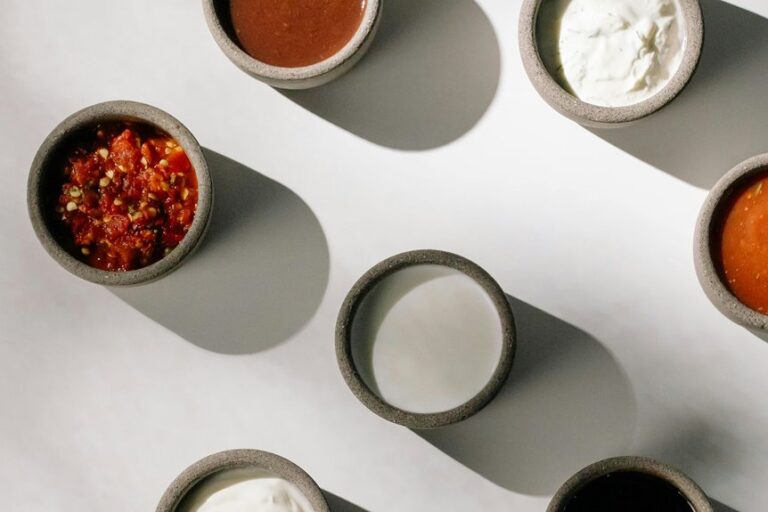
Easy Dipping Sauces for Fried Artichoke Hearts
Why settle for plain should you dip your crispy fried artichoke hearts into a sauce that makes every bite pop? Tangy aioli brings a bright, garlicky zing that perfectly balances the golden crunch. It’s simple to whip up with mayo, garlic, and a splash of lemon juice, giving you a creamy dip that feels homemade and comforting.
In case you want something richer, creamy remoulade adds a flavorful twist with herbs, mustard, and a hint of spice. Both sauces invite you to savor each bite, turning a snack into a shared moment.
You’ll find these dips bring your friends closer, making every gathering feel warm and welcoming. Don’t shy away from mixing and matching—these easy sauces make your fried artichoke hearts irresistible every time.
Creative Variations on Fried Artichoke Hearts
Once you want to take your fried artichoke hearts beyond the classic crispy treat, experimenting with creative variations can turn each batch into a new adventure.
You can infuse herb flavors directly into your flour or breadcrumb mix, adding basil, thyme, or rosemary for a fresh twist. Should you be gluten free, swap all-purpose flour and breadcrumbs for almond or rice flour to keep the crunch without worry.
Try these ideas to customize your fried artichokes:
- Herb infusions like dill or oregano in the batter
- Gluten free coating with chickpea flour and spices
- Adding parmesan or nutritional yeast for cheesy notes
- Tossing fried hearts in garlic butter or lemon zest
- Serving with unique dips like spicy aioli or tangy yogurt
These touches make your snack feel personal and inviting every time.
Frequently Asked Questions
Can I Freeze Breaded Artichoke Hearts Before Frying?
Freezing breaded artichoke hearts before frying is like balancing on a tightrope, possible but tricky. Use proper freezing techniques to avoid texture changes and keep them crispy. Join friends who swear upon quick thawing before frying for best results.
What Oil Is Best for Frying Artichoke Hearts?
You’ll want to use peanut oil or avocado oil for frying artichoke hearts because they handle high heat well. Vegetable oil works fine too. Olive oil is great for flavor but not ideal for deep frying. You’ve got this!
Are Air-Fried Artichoke Hearts as Crispy as Deep-Fried?
You’ll find air fried artichoke hearts less crispy than deep fried due to cooking methods, but their texture comparison still delivers a satisfying crunch. You’re part of a group embracing healthier, tasty alternatives without sacrificing flavor.
How Long Can Leftover Fried Artichokes Be Stored?
You can store leftover fried artichokes in airtight storage containers for up to 3 to 4 days. Refrigerate promptly and place paper towels inside to absorb moisture. This keeps them crispy and ready to enjoy with your friends and family.
Can I Make This Recipe Vegan Without Egg?
You can totally make this vegan by swapping egg with a flax egg or aquafaba batter. Both bind well and keep that crisp texture. You will join a community embracing plant based tweaks without sacrificing flavor or crunch!