
Book Appointment Now

Cooking for Beginners: How to Build Your Confidence

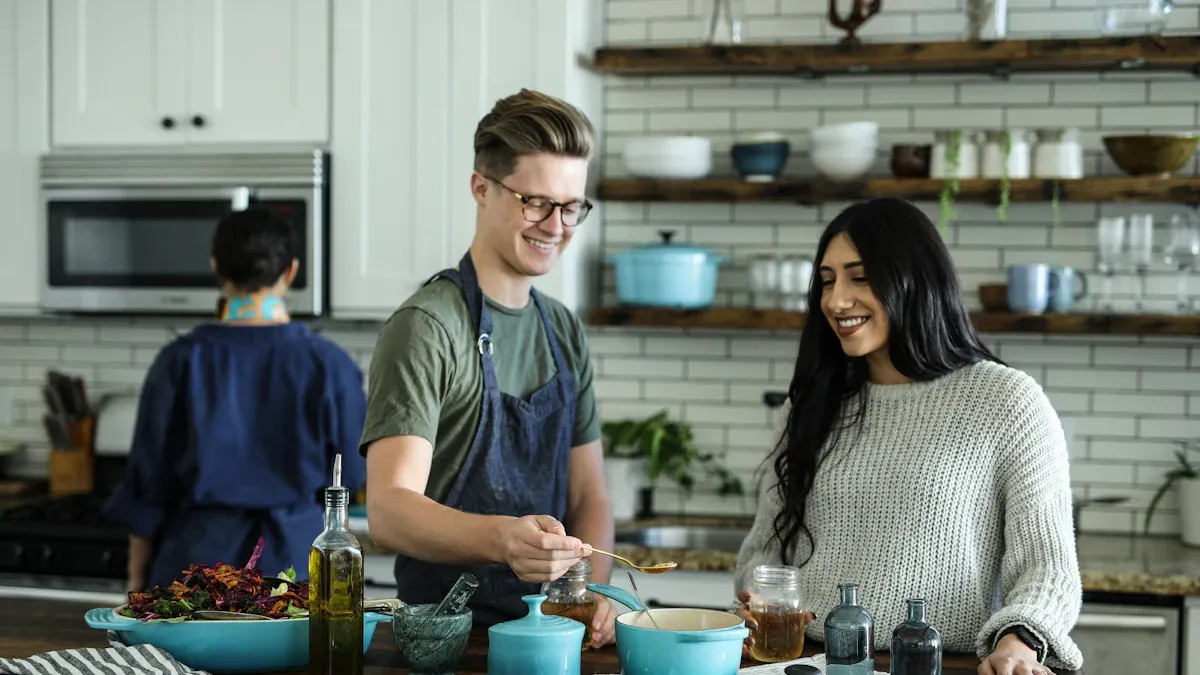
Many people fear cooking for beginners because they worry about making mistakes. You might think you’ll burn your food or mess up a recipe. Don’t let that stop you! Cooking can be a fun adventure. Remember, practice makes perfect. For instance, not tasting your food while cooking can prevent you from balancing flavors. Embrace patience, and you’ll build your cooking confidence over time.
Key Takeaways
Practice cooking regularly to build confidence. Aim for at least once or twice a week to improve your skills and enjoy the process.
Master essential techniques like knife skills and sautéing. These skills enhance your efficiency and make cooking more enjoyable.
Start with simple one-dish meals. They save time and reduce cleanup, helping you feel more comfortable in the kitchen.
Basic Skills for Cooking for Beginners
Essential Techniques
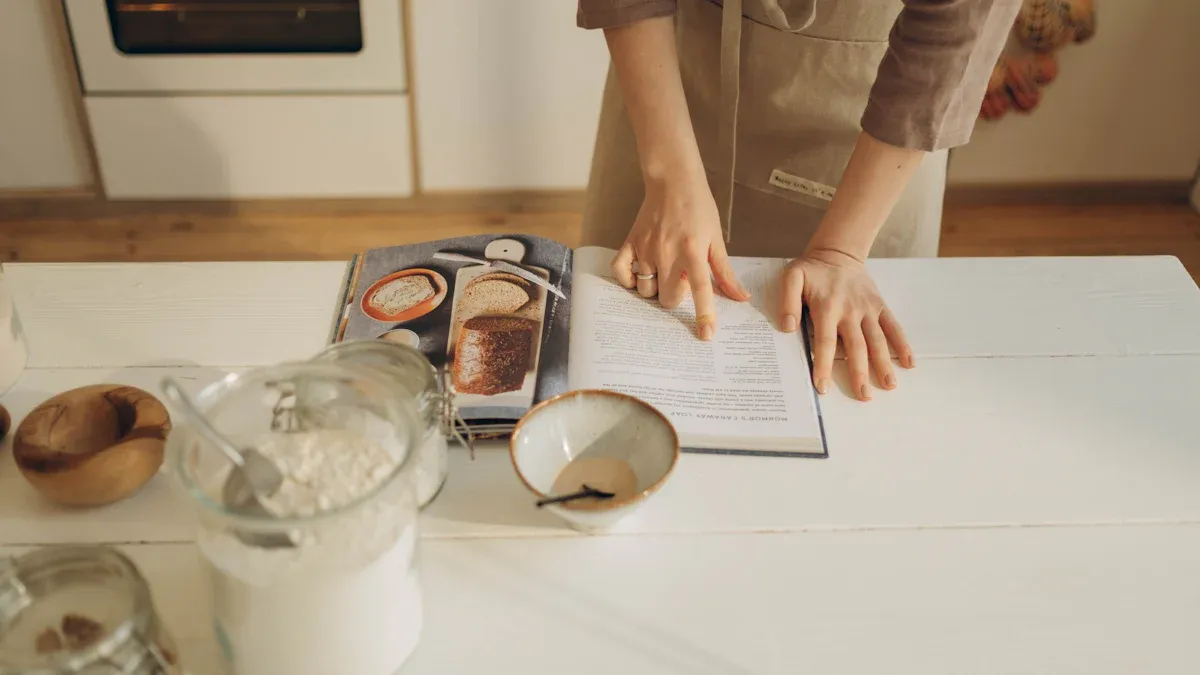
When you start cooking, mastering a few essential techniques can make a world of difference. Here are some key skills to focus on:
Knife Skills: Learning how to handle a knife properly is crucial. Mastering knife skills improves your preparation speed, which enhances cooking efficiency. Uniform cuts ensure even cooking, reducing the time you spend adjusting cooking times. Plus, proper knife handling techniques minimize the risk of accidents in the kitchen. So, practice chopping, dicing, and mincing regularly to build your confidence.
Sautéing: This technique involves cooking food quickly in a small amount of oil or fat over high heat. It enhances flavors and is perfect for vegetables and proteins alike.
Simmering: Cooking just below boiling point allows flavors to meld beautifully. It’s great for soups and sauces.
Baking: This method uses dry heat in an oven. It’s ideal for a variety of dishes, from bread to casseroles.
Common Cooking Terms
Understanding common cooking terms can help you follow recipes with ease. Here are some terms you should know:
Blanch: To place vegetables or fruits into boiling water for a very short period.
Blend: To thoroughly combine two or more ingredients.
Boil: To cook in water that has reached 212 degrees F.
Braise: To cook meat or vegetables first by browning and then by gently simmering in a small amount of liquid.
Dice: To cut food into very small cubes.
Fold: Gently incorporating lighter ingredients into heavier ingredients.
Familiarity with these terms improves your recipe comprehension. You’ll find that understanding what it means to sauté or simmer can make cooking less intimidating.
Here’s a quick table of some common challenges you might face as a beginner:
Challenge | Explanation |
|---|---|
Understanding recipe instructions | You might struggle to fully grasp the instructions, leading to mistakes in preparation. |
Measuring ingredients accurately | Inaccurate measurements can result in poorly executed dishes, affecting taste and texture. |
Managing cooking times effectively | Misjudging cooking times can lead to undercooked or overcooked meals, causing frustration. |
Underestimating preparation time | Not allocating enough time for preparation can create stress and impact your overall cooking experience. |
Overcrowding the pan | Packing too much food can lead to uneven cooking and prevent proper browning. |
Only seasoning at the end | Adding salt only at the end can result in uneven flavor distribution in your dish. |
By focusing on these basic skills and familiarizing yourself with common cooking terms, you’ll find that cooking becomes less daunting and more enjoyable.
Tools for Building Kitchen Confidence
Must-Have Equipment
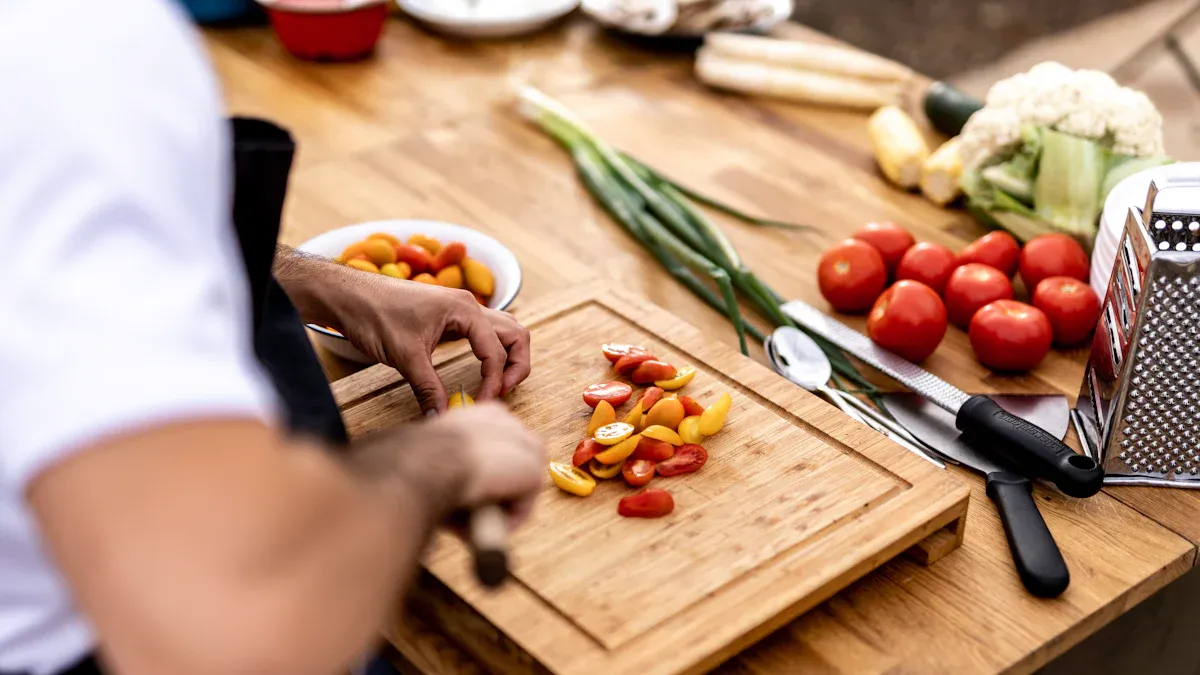
When you step into the kitchen, having the right tools can make all the difference. Here’s a list of essential kitchen equipment every beginner should consider:
Non-stick frying pan
Saucepan
Stock pot
Sheet pans
Glass baking dish
Knives (chef’s knife, serrated knife, paring knife)
Measuring spoons and cups
Wooden spoons
Fish turner
Peeler
Whisk
Tongs
Cutting board
Colander
Prep bowls in various sizes
Can opener
Microplane zester
Immersion blender
Salad spinner
Using these tools can help you feel more comfortable in the kitchen. For example, a good knife enhances your confidence and efficiency in food preparation. A non-stick skillet simplifies cooking and cleanup, encouraging you to practice more often.
Budget-Friendly Options
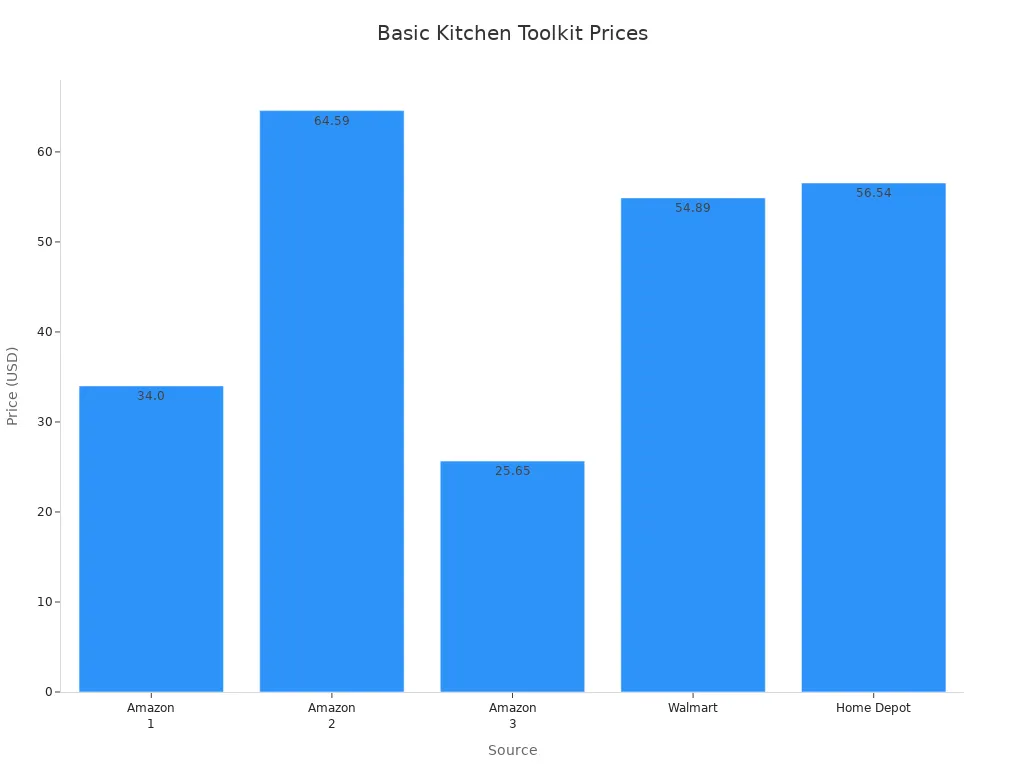
You don’t need to break the bank to equip your kitchen. Here are some cost-effective tools that provide great value:
Stainless Steel Pot: Perfect for simmering and boiling. It’s durable and versatile.
Mixing Bowls: Essential for ingredient prep, available in various sizes, and easy to clean.
Basic Baking Sheet: Great for baking and roasting, made from durable materials.
Sturdy Spatula Set: Useful for various cooking tasks and built to last.
Precise Kitchen Scale: Important for accurate measurements, especially in baking.
Comfort-Grip Tongs: Ideal for handling food safely and comfortably.
Investing in quality kitchen tools leads to improved efficiency and safety. You’ll find that using reliable equipment makes cooking less intimidating and more enjoyable.
With the right tools, you’ll be well on your way to building kitchen confidence!
Simple Recipes to Start
One-Dish Meals
One-dish meals are perfect for beginners. They simplify cooking by combining everything you need into one pot or pan. This approach not only saves time but also reduces cleanup. Here are some easy one-dish meals you can try:
Dish Name | Description | Link |
|---|---|---|
Chicken in a Pot | A simple dish with complex flavor, praised by a reviewer for its taste. | View Recipe |
Italian Chicken Skillet | Combines chicken, tomatoes, spinach, and mozzarella; highly rated by users. | View Recipe |
Lemon Parmesan Chicken and Rice | Cheesy and lemony, great for weeknight meals and leftovers. | View Recipe |
Easy Chicken Fried Rice | Quick one-pan dish using leftover chicken, ideal for families. | View Recipe |
One-Pot Mediterranean Chicken | Simple recipe that even non-cooks can master, well-received by reviewers. | View Recipe |
Arroz Con Pollo | A flavorful dish with chicken and rice, influenced by Latin American cuisine. | View Recipe |
Italian Sausage, Peppers, and Onions | A family favorite, versatile for different meals. | View Recipe |
These recipes use familiar ingredients and straightforward steps. They help you build confidence in the kitchen.
Building a Recipe Collection
Starting your own recipe collection is a great way to enhance your cooking skills. Focus on simple recipes that require minimal ingredients and steps. Here are some criteria to consider when selecting beginner-friendly recipes:
Criteria | Description |
|---|---|
Time Requirement | Recipes should be prepared in under an hour, including cook time. |
No Constant Attention | Recipes should not require constant stirring or monitoring to prevent burning. |
No Multitasking | All preparation should be done beforehand without needing to manage multiple tasks simultaneously. |
By sticking to these guidelines, you can gradually build your confidence in cooking. Repeating basic recipes helps you hone your skills. You’ll learn essential techniques like boiling and sautéing. Plus, you’ll understand ingredient combinations and timing better.
Here are some popular beginner recipes that require minimal ingredients and steps:
Salmon with Brown Sugar Glaze
Pesto Cheesy Chicken Rolls
Yummy Pork Chops
Three-Ingredient Baked Chicken Breasts
Pesto Chicken
Spicy Lime Grilled Shrimp
Fried Cabbage and Egg Noodles
Crunchy French Onion Chicken
Barbeque Bacon Chicken Bake
Crispy Baked Chicken Thighs
These simple recipes not only make cooking enjoyable but also help you feel more confident at the stove. As you repeat these dishes, you’ll achieve consistent successes, which builds your confidence. Remember, cooking for beginners is all about practice and enjoying the process of creating home-cooked food.
Practice and Feedback
Cooking Schedule
Creating a cooking schedule can significantly boost your cooking confidence. Aim to practice at least once or twice a week. Research shows that cooking regularly during your teenage years leads to a greater enjoyment of cooking in adulthood. Here’s how a structured cooking schedule can benefit you:
Benefit | Description |
|---|---|
Master cooking techniques | Techniques that apply to any recipe, enhancing versatility. |
Build kitchen confidence | Understanding food science fosters self-assurance in cooking. |
Adaptable methods | Methods that ensure consistent results, reducing anxiety. |
Culinary skills compounding | Skills improve with each meal, reinforcing confidence. |
By sticking to a schedule, you’ll notice improvements in your skills and feel more comfortable in the kitchen.
Seeking Support
Don’t hesitate to seek support while you learn. Cooking with friends or family can make the experience more enjoyable. Here are some benefits of cooking with others:
Cooking fosters bonding through shared laughter and stories.
It creates an enjoyable atmosphere for beginners.
Learning from someone experienced reduces pressure and enhances your learning opportunities.
You can gain confidence by observing and asking questions.
Consider joining a cooking class or an online community. These platforms provide structured learning and personalized support, which are essential for new cooks. For example, Rouxbe offers culinary training programs that cater to various needs, from home cooks to culinary professionals. You’ll find that engaging with fellow learners can inspire you and boost your cooking confidence.
Remember, every meal you prepare is a step toward becoming a better cook. Embrace the process, and don’t be afraid to ask for help along the way!
Building confidence in cooking takes time and practice. Celebrate your progress, no matter how small! Keep exploring new recipes and techniques.
Here’s how ongoing exploration helps you grow:
Evidence | Explanation |
|---|---|
Practicing with different ingredients enhances efficiency | Familiarity with various ingredients leads to quicker prep times, reducing stress in cooking. |
Variety in recipes builds confidence | Trying different recipes helps you grow your cooking skills and confidence. |
Exploring different techniques expands skillset | Learning new techniques can transform dishes and improve overall cooking ability. |
Experimenting with new ingredients deepens appreciation | Handling unfamiliar foods enhances cooking skills and broadens flavor knowledge. |
So, get in the kitchen and have fun!
